Container Gardens
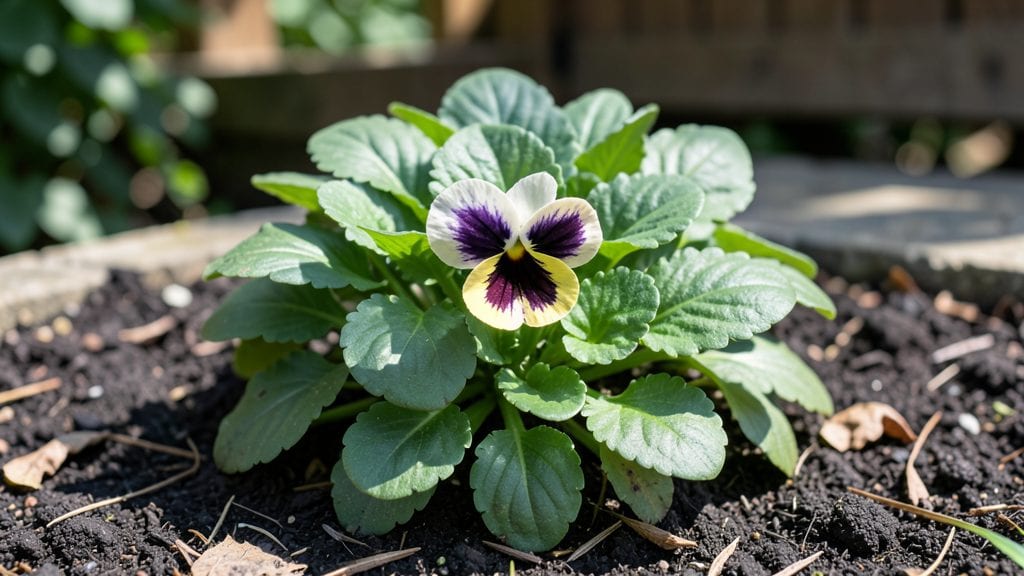
The pansy indoor plant is your secret to year-round cheer—just bright light, cool breezes, and a little water keep its velvety blooms thriving through winter. 🌿 I’ve mastered the trick by treating mine like spring’s early visitors, coaxing vibrant color even when snow piles up outside.
The key is avoiding the two biggest mistakes: letting them dry out or drowning their roots.
You’ll need a sunny windowsill or grow light, well-draining potting mix, and a pot with drainage holes. Pansies prefer 50-65°F temperatures and bright indirect light—direct sun will scorch those delicate blooms.
Water when the top inch of soil feels dry, and pinch off spent flowers to encourage more blooms. That’s it.
By spring, your pansies will look like they’ve been pampered all season, with clusters of jewel-toned blooms that brighten every room. They even repel pests naturally, so you won’t need sprays. The best part? They’ll keep flowering until summer’s heat forces them to take a break.
Works perfectly in kitchens, bathrooms, or sunrooms—anywhere you want a pop of color without the outdoor hassle. Let’s get those pansies growing!
📚 In This Guide
- What you need
- Instructions
- Tips and common mistakes
- Wrapping up and next steps
What you need
- ● Pansy plant(s): 1–3 healthy nursery-grown pansies (choose cold-hardy varieties like Viola × wittrockiana for indoor success).
- ● Container: 1–2 pots with drainage holes (6–12 inches in diameter, depending on quantity). Pro tip: Terracotta or ceramic works best!
- ● High-quality potting mix: 1 bag (1–2 cubic feet) of well-draining, peat-based or coco-coir mix (avoid garden soil—it compacts!).
- ● Drainage material: Small pebbles, perlite, or broken pottery (½ inch layer at the bottom of the pot).
- ● Watering can or spray bottle: With a gentle nozzle for hydration without over-saturating.
- ● Balanced fertilizer: 1 bottle of liquid fertilizer (10-10-10 or 20-20-20, diluted to half-strength).
- ● Pruning shears: Small, sharp pair for trimming dead blooms or leggy stems.
- ● Grow lights (LED or fluorescent) for low-light spaces.
- ● Mulch (e.g., decorative stones or bark chips) to retain moisture.
- ● Humidity tray or pebble tray to boost air moisture.
- ● Plant labels for tracking varieties (because those purple-and-yellow combos are too cute to forget!).
- ● Organic compost (1 tbsp mixed into soil) for a nutrient boost.
Step-by-step guide to growing pansies indoors for year-round color
Here's how to keep your pansies thriving inside with just a few simple adjustments.
🪴 Step 1: Choose the Right Containers and Soil Mix
Pansies need well-draining soil to prevent root rot, so I always use a mix of 50% potting soil and 50% perlite or coarse sand. A container with drainage holes is a must—no exceptions. I like 6-8 inch diameter pots for each plant since pansies have shallow roots but spread nicely. If you're planting multiple pansies, space them 6 inches apart to allow airflow and prevent disease.
Fill the pot about 2/3 full with your soil mix, then press it down lightly to remove air pockets. The surface should be firm but not compacted. This ensures roots can grow into the soil without struggling. I always add a handful of slow-release fertilizer to the mix before planting—just follow the package instructions for dosage. This gives your pansies a nutrient boost right from the start.
☀️ Step 2: Position for Bright, Indirect Light
Pansies love light but can't handle direct sun, which burns their delicate leaves. Place your pots near an east-facing window where they'll get 4-6 hours of morning sunlight. If your home only has south or west windows, move the plants back 2-3 feet to avoid scorching. You'll know the light is right when the leaves stay a vibrant green and the flowers stay open for most of the day.
If natural light is limited, supplement with a grow light placed 12-18 inches above the plants for 12-14 hours daily. I use a full-spectrum LED bulb because it mimics natural sunlight. Watch for leggy growth—if stems stretch too tall or leaves pale, the light isn't strong enough. Adjust the height or duration as needed to keep plants compact and healthy.
💧 Step 3: Water Consistently Without Overdoing It
Pansies like their soil consistently moist but never soggy. Water when the top inch of soil feels dry to the touch. I check this by sticking my finger about an inch into the soil—if it's dry, it's time to water. Use room-temperature water and pour it slowly at the base of the plant to avoid wetting the leaves, which can cause fungal issues. You'll see the soil surface darken slightly after watering, but it shouldn't be glistening.
Overwatering is the biggest mistake with pansies. If the soil stays damp for more than a day, reduce watering frequency. Yellowing leaves or mushy stems are signs of overwatering. To improve drainage, I sometimes add a layer of pebbles at the bottom of the pot before adding soil. This creates a buffer zone that prevents water from pooling around the roots.
✂️ Step 4: Prune Regularly to Encourage More Blooms
Deadheading spent flowers is the secret to keeping pansies blooming all year. Use clean, sharp scissors to snip off faded blooms just above the next set of leaves. This redirects the plant's energy into producing new flowers instead of seeds. I do this every 2-3 days during peak blooming season—it's a small effort that pays off big time.
If your pansy starts looking leggy or overgrown, give it a light trim. Cut back any stems that are stretching too tall or have lost their compact shape. You can also pinch back the tips of new growth to encourage bushier plants. Just avoid cutting into old wood—focus on fresh, green growth. After pruning, give the plant a little extra water to help it recover quickly.
🌿 Step 5: Rotate and Fertilize for Long-Term Health
Rotate your pansy pots a quarter turn weekly so all sides get even light exposure. This prevents plants from leaning toward the window and keeps them growing upright. You'll notice a difference in just a few weeks—the stems will stay straighter, and the flowers will face outward more evenly.
Feed your pansies every 4-6 weeks with a balanced liquid fertilizer diluted to half-strength. I use a 10-10-10 formula because it provides equal parts nitrogen, phosphorus, and potassium. Always water the soil first before applying fertilizer to prevent root burn. You'll see new growth and brighter blooms within a couple of weeks of fertilizing. If you notice yellow leaves, it might be time for another feeding—or your pansies could be telling you they need more light.
Tips & tricks for perfect pansy indoor plant care
Here's what nobody tells you about keeping pansies thriving indoors without the fuss.
Soil Mix Secret: That 50-50 soil blend isn't just about drainage—it's about aeration too. I've found that adding a handful of worm castings to your mix gives an extra boost of nutrients without overwhelming the plants. The castings break down slowly, providing consistent feeding that matches the slow-release fertilizer you're already using. Just mix it right in with your potting soil and perlite before planting.
Lighting Hack: The 12-14 hours of grow light might seem like a lot, but think of it this way: your pansies need that much light to mimic their natural spring growing season. I've noticed that using a timer for the grow light takes all the guesswork out—set it and forget it. And if you're using natural light, that east-facing window is ideal because morning sun is gentler than afternoon heat, which can scorch delicate pansy leaves.
Watering Wisdom: That "top inch dry" rule is your best friend, but here's the thing: your finger test works best when you're consistent. Always check at the same time each day—morning works well because you can water before the day's heat dries things out. I've learned the hard way that watering in the evening can leave plants vulnerable to fungal issues overnight. Also, always water at the base—those pretty flowers aren't meant to get wet!
Pruning Pro Tip: When deadheading those spent blooms every 2-3 days, think of it as giving your pansies a little spa treatment. I've found that using small floral scissors (the kind with sharp points) makes the job easier and cleaner than regular scissors. And here's a bonus: those cut flowers make beautiful little bouquets that last for days in a vase. Just trim the stems at an angle to help them absorb water better.
Pro Tips for Pansy Indoor Plant
- Here's what nobody tells you about keeping pansies thriving indoors without the fuss.
- Soil Mix Secret: That 50-50 soil blend isn't just about drainage—it's about aeration too.
- Lighting Hack: The 12-14 hours of grow light might seem like a lot, but think of it this way: your pansies need that much light to mimic their natural spring growing season.
Frequently asked questions
Got questions about keeping your pansy indoor plant thriving?
Here are answers to the most common ones—so you can enjoy those cheerful blooms all year long!
How often should I water my indoor pansy plant?
Water your pansies when the top 1 inch of soil feels dry. Aim for 1-2 times per week, but adjust based on humidity and light. Overwatering is worse than underwatering—yellow leaves are a red flag! Use well-draining soil and a pot with drainage holes to prevent soggy roots.
Can pansies survive winter indoors?
Pansies thrive indoors year-round, but they prefer cooler temps (55–65°F). Avoid drafts or heat vents. If your home gets too warm, they’ll bolt (send up flower stalks prematurely). A bright windowsill or grow light keeps them happy through winter’s chill.
Why are my pansy leaves turning yellow?
Yellow leaves usually mean overwatering or nutrient deficiency. Check the soil—if it’s soggy, let it dry out. If leaves are pale and stems weak, feed with a balanced liquid fertilizer (like 10-10-10) every 4–6 weeks. Brown edges? That’s often low humidity—mist leaves or use a pebble tray.
How do I keep my pansies blooming longer?
Deadhead spent blooms regularly to encourage new flowers. Place them in bright, indirect light (east or north-facing windows work best). Rotate the pot weekly so all sides get even light. A light trim of leggy stems after blooming can promote bushier growth.
What’s a good alternative if pansies are hard to find?
Try violas (pansy cousins) or calceolarias (slipper flowers) for similar care. For bold colors, impatiens or begonias are low-maintenance picks. All love moderate light and consistent moisture—just adjust fertilizer for your chosen plant’s needs!
Wrapping up and next steps
Growing pansies indoors is a rewarding way to enjoy vibrant, year-round color with minimal fuss! These cheerful blooms thrive with just a little light, proper watering, and occasional pruning—making them perfect for beginners or busy plant parents. 🌸
Ready to bring some joy to your space? Start small—pick a sunny spot, grab a few pansies, and watch your indoor garden bloom! Need more tips? Explore our container gardening guides for even more easy-care plants.