Watering
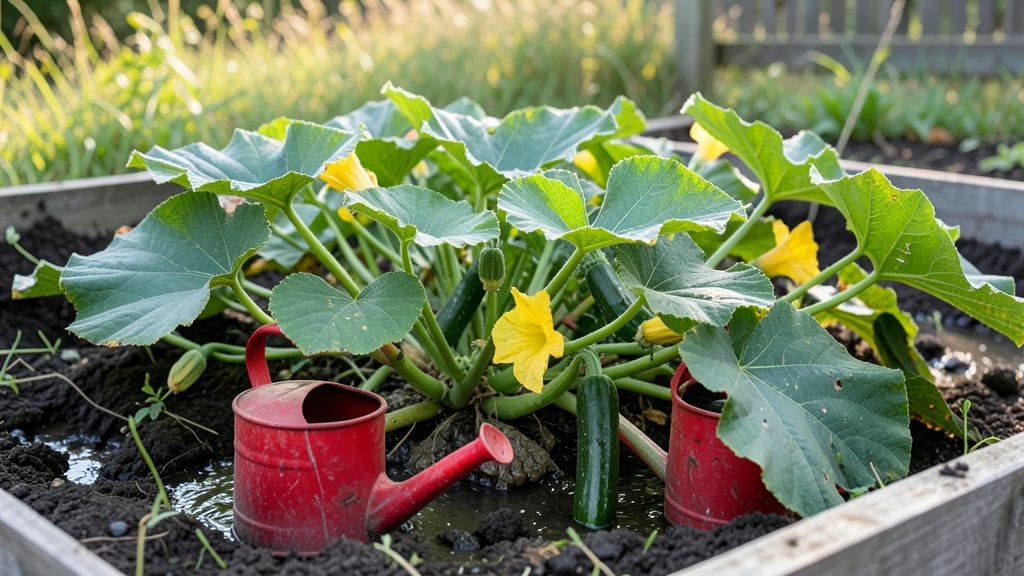
Overwatering squash plants turns their leaves yellow faster than you can say "blossom end rot." I’ve watched healthy vines collapse from soggy roots, and the fix isn’t just cutting back water—it’s rewriting how you think about soil moisture.
The first sign? Yellowing leaves that feel mushy when you touch them, not just dry and crispy.
Most gardeners overwater because they assume squash needs constant dampness, but these plants hate soggy feet. Too much water drowns roots, blocks oxygen, and invites fungal diseases like powdery mildew.
Instead of watering on a schedule, stick your finger an inch into the soil—if it’s damp, wait. A 5-gallon bucket with drainage holes becomes a lifesaver for heavy soils.
Within 3-5 days of adjusting watering, you’ll see new growth pushing through. The leaves will firm up, and vines will start climbing again. The key is balance: let the top inch dry between waterings, and always water at the base, not overhead. This keeps roots happy and leaves disease-free.
For long-term fixes, mix in compost to improve drainage and mulch with straw to slow evaporation. Squash plants will reward you with vibrant green leaves, plump fruits, and fewer trips to the rescue guide. Let’s get those roots breathing again!
Why it happens
When your squash plants start showing signs of distress—like yellowing leaves, wilting vines, or mushy roots—overwatering is often the silent villain. But why does this happen?
The issue isn’t just about "too much water"; it’s a cascade of physiological and environmental factors that create the perfect storm for plant suffering. Let’s break down the science behind it, so you can fix the problem at its source.
🌱 Poor Drainage Traps Water in Soil
Squash plants thrive in well-draining soil, but if your garden bed or containers lack proper drainage, excess water pools around the roots instead of seeping away. This creates anaerobic conditions—meaning oxygen is scarce—because water fills the pore spaces where air would normally circulate.
Without oxygen, roots suffocate, unable to absorb nutrients or water efficiently. Over time, this leads to:
- Root rot: Fungal pathogens like Pythium or Phytophthora thrive in soggy soil, attacking roots and cutting off the plant’s lifeline.
- Nutrient lockout: Even if you’re fertilizing, waterlogged soil binds nutrients like nitrogen and phosphorus, making them inaccessible to roots.
- Toxic buildup: Overwatering flushes out essential minerals but leaves behind harmful salts or aluminum, which squash plants can’t tolerate.
Pro tip: 💡 Test your soil’s drainage by digging a hole, filling it with water, and timing how long it takes to drain. If it’s slower than 4 hours, amend with perlite, sand, or compost to improve aeration.
🌡️ Temperature Swings Stress Roots
Squash plants are sensitive to temperature extremes, and overwatering amplifies the damage when heat or cold stress occurs. Here’s how:
- Cold soil: If nighttime temps drop below 50°F (10°C), waterlogged roots struggle to absorb nutrients, leading to chlorosis (yellowing leaves) as chlorophyll production slows.
- Heat stress: In hot weather, excess moisture in the soil cools the roots too much, disrupting the plant’s natural transpiration process. This causes leaves to wilt or develop brown edges as the plant panics and shuts down stomata (pores) to conserve water.
- Fungal blooms: Warm, damp conditions are a buffet for pathogens like Fusarium, which exploit stressed roots and spread rapidly.
Pro tip: 🌡️ Monitor soil temperature with a probe—ideal range for squash roots is 60–75°F (15–24°C). Mulch with straw to insulate roots and reduce evaporation.
🌧️ Overzealous Watering Routines
Even with good drainage, inconsistent or excessive watering throws squash plants into chaos. Their shallow root systems (especially in young plants) are easily overwhelmed when:
- Water sits on the soil surface: Squash leaves act like funnels, directing water straight to the crown (where stem meets soil). Prolonged moisture here causes crown rot, a fatal condition.
- You water on a schedule, not by need: Squash plants signal thirst through leaf droop or soil moisture, not a calendar. Overwatering based on routine (e.g., daily in containers) drowns roots before they can adapt.
- Containers lack escape routes: Pots without drainage holes or saucers that trap water turn into root prisons. Even "self-watering" systems can fail if not monitored.
Pro tip: ✨ Stick your finger 1–2 inches into the soil before watering. If it’s damp, wait. For containers, lift them—if they’re heavy, skip watering.
🌿 Compromised Soil Structure
Healthy soil is a sponge—it holds moisture but releases it when plants need it. When soil is compacted, clay-heavy, or depleted of organic matter, it behaves like a brick:
- Clay soil: Holds water like a sponge but suffocates roots by blocking oxygen. Overwatering turns it into a waterlogged cement.
- Sandy soil: Drains too fast, but if you overwater to "compensate," you flush away nutrients and leave roots high-and-dry between waterings.
- Low organic matter: Without compost or aged manure, soil lacks the humus needed to retain moisture and nutrients efficiently.
Pro tip: 🔥 Amend heavy clay with coarse sand or coconut coir, and sandy soil with peat moss or compost. Aim for a loamy texture—like a crumbly chocolate cake!
Revive Your Squash Plants Fast
Overwatering can turn your thriving squash plants into sad, yellow-leafed shadows—but don’t panic! With the right fixes, you can nurse them back to health and even prevent future disasters. Below, we’ve mapped out practical solutions based on the root causes of overwatering, from soggy soil to poor drainage.
Follow these steps to rescue your plants and keep them growing strong.
If your squash plants are sitting in waterlogged soil, the first order of business is removing the excess moisture to prevent root rot and fungal diseases.
🔥 Fix Compacted or Waterlogged Soil
- Stop watering immediately—let the soil dry out for at least 24–48 hours before assessing.
- Loosen the soil around the base of the plant (but avoid damaging roots) with a garden fork or trowel.
This helps water drain faster. - Add organic matter like compost or aged manure to improve soil structure and aeration.
Aim for a 2–3 inch layer mixed into the top 6 inches of soil. - Create a well-draining bed: If your garden soil is naturally heavy clay, consider raising beds with a mix of 50% topsoil, 30% compost, and 20% perlite or sand.
💡 Prevention Tip
> Test your soil’s drainage before planting next season. Fill a jar with soil, add water, and time how long it takes to drain. If it takes more than 2 hours, amend the soil with sand or grit.
Squash plants hate "wet feet," so tweaking your watering habits can make a world of difference.
👨🍳 Water Deeply but Less Often - Water deeply 1–2 times per week (depending on climate) rather than daily shallow watering.
Aim for 1–1.5 inches of water per week, including rainfall. - Water at the base (not overhead) to reduce leaf wetness, which invites fungal diseases like powdery mildew. - Use drip irrigation or soaker hoses to deliver water slowly and directly to the roots.
This cuts down on runoff and evaporation.
⏰ Best Times to Water
- Early morning (before 9 AM) is ideal—it gives leaves time to dry before evening humidity sets in.
- Avoid watering in the late afternoon or evening, as damp leaves overnight encourage mold.
🌡️ Climate-Specific Adjustments
| Weather Condition | Watering Adjustment |
|---|---|
| Hot & Dry (80°F+) | Water every 2–3 days, early morning. |
| Humid or Rainy | Reduce frequency; let soil dry between waterings. |
| Cool & Cloudy | Water every 4–5 days; monitor for wilting. |
Stagnant air around overwatered plants traps moisture, slowing recovery. Boost circulation and strengthen your squash plants with these moves.
🔪 Prune Damaged Foliage
- Remove yellow or mushy leaves with clean pruning shears to redirect energy to healthy growth.
- Thin out crowded vines if plants are too dense—aim for 12–18 inches of space between stems for airflow.
✨ Boost Recovery with Fertilizer
- Hold off on nitrogen-heavy fertilizers (like fresh manure) until the plant recovers—too much can worsen rot.
- Switch to a balanced or phosphorus-rich fertilizer (like 5-10-10) to encourage root and flower development once the soil dries.
- Add a handful of Epsom salt (magnesium sulfate) to the soil to help with chlorophyll production and leaf recovery.
💡 Prevention Tip
> Mulch properly: Apply 2–3 inches of straw or wood chips around plants (but keep it 2 inches away from the stem) to retain moisture without suffocating roots. This keeps soil evenly moist while improving drainage over time.
Once your plants are back on track, prevent future overwatering with these habits: - Upgrade your soil: Test your garden soil’s pH and drainage annually.
Squash thrives in slightly acidic to neutral soil (pH 6.0–7.0) with good aeration. - Choose the right varieties: Some squash (like butternut or acorn) tolerate moisture better than others.
Opt for drought-resistant hybrids if your climate is humid. - Monitor weather forecasts: Adjust watering based on rainfall predictions—skip watering if rain is in the forecast. - Use moisture meters: A soil moisture sensor ($10–$20) takes the guesswork out of watering.
Stick it in the soil near the roots—water only when the meter reads "dry."
Pro Tip: 🌿 If your squash plants are severely rotted, it may be time to replace them. Dig up the plant, remove the roots, and replant in fresh, amended soil.
Don’t give up—squash is resilient, and with the right care, you’ll be harvesting plump, healthy fruits in no time!
Frequently asked questions
How do I tell if my squash plants are overwatered vs. underwatered?
Check the soil and leaves: Overwatered plants have yellow, mushy leaves that feel soft when touched, while underwatered plants have crispy, brown edges and dry soil. Also, overwatered roots smell foul, while underwatered roots appear dry and brittle.
Can I save squash plants with root rot from overwatering?
Early-stage rot can be saved by stopping water immediately, loosening compacted soil, and adding compost. For severe rot, remove the plant, sterilize the pot, and replant in fresh, well-draining soil. Prevention is key—always check soil moisture before watering.
Why do my squash leaves turn yellow after watering?
Yellowing after watering usually means root suffocation from poor drainage or overwatering. Test drainage by digging a hole, filling it with water, and timing how long it drains. If it takes over 2 hours, amend soil with perlite or sand to improve airflow.
Is it better to underwater or overwater squash plants?
Both extremes harm squash, but underwatering is less damaging—plants wilt but recover quickly. Overwatering causes root rot and fungal diseases that can kill plants permanently. Aim for 1-1.5 inches of water per week, adjusting for rain and heat.
How often should I water squash in containers vs. garden beds?
Container squash needs watering every 2-3 days (soil dries faster), while garden beds need watering 1-2 times per week. Lift pots to check weight—if they feel light, water. For garden beds, stick your finger 1-2 inches deep; if dry, water.