
Succulent
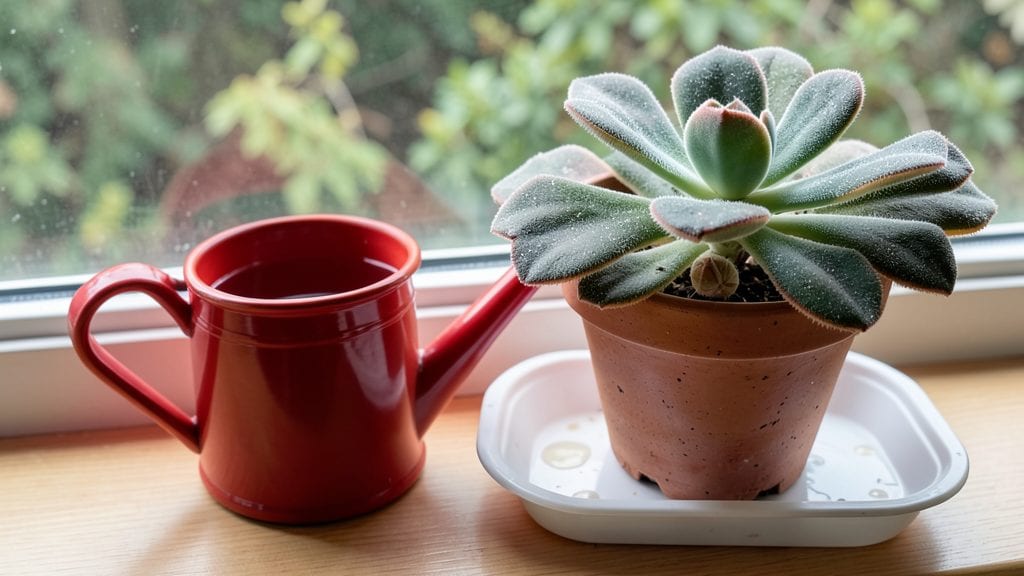
My panda plant looked like it was drowning—yellow leaves, mushy stems, and a pot that weighed more than the plant itself. 🌱 That’s the classic sign of overwatering, and the good news is you can revive it in just 3 days with the right moves.
I’ve nursed back more than a few soggy plants, and this one’s no exception.
The problem starts when roots suffocate in wet soil, cutting off oxygen and inviting rot. You’ll spot it first in the leaves—yellowing, wilting, or even dropping off—and the soil will smell sour or feel squishy.
The fix? Drainage first, then a careful watering reset. We’re talking one-third less water than you’ve been giving, and a pot with holes that actually work.
By day three, you’ll see new growth pushing through, leaves perking up, and that familiar panda-patterned foliage returning. The key is patience—let the soil dry out completely between waterings, and within weeks, your plant will bounce back stronger than ever. Trust me, this works.
Once it’s back on track, keep a finger in the soil before watering—if the top inch feels damp, wait another day. A terracotta pot or well-draining mix will prevent future soggy roots, and you’ll never have to watch another panda plant gasp for air again.
Root Causes Of Overwatering
If your Kalanchoe tomentosa—better known as the fuzzy, velvety panda plant—is struggling, soggy soil is often the silent villain. Unlike drought-tolerant succulents, panda plants can handle neglect, but too much water triggers a cascade of problems.
Let’s break down the real reasons this happens, so you can fix it fast.
Most panda plant owners love their plants a little too much. Watering on a strict schedule—even when the soil isn’t dry—is the #1 culprit. These succulents store water in their thick leaves, but their roots rot in 24–48 hours if submerged in moisture.
- Signs: Yellowing leaves, mushy stems, or a foul smell from the soil.
- Why it happens: Panda plants thrive in well-draining soil and only need water every 2–3 weeks (or when the top 1–2 inches are bone-dry). If you’re watering weekly or "just in case," you’re drowning them.
- Actionable fix: Stick your finger 2 inches deep—if it’s damp, wait. Use a moisture meter for precision.
Terracotta pots with no drainage holes? A soil mix heavy on peat or garden dirt? These setups lock in moisture, turning your panda plant’s roots into a science experiment gone wrong.
- Why it happens:
- No drainage holes: Water pools at the bottom, suffocating roots.
- Wrong soil: Panda plants need a 60/40 mix of mineral grit (perlite/pumice) to cactus soil. Heavy soils (like African violet mix) hold too much water.
- Overpotting: Giant containers take forever to dry out, even if you water less.
- Actionable fix:
- Repot into a terracotta or fabric pot with drainage (or drill holes in plastic pots).
- Swap heavy soil for a succulent-specific blend or DIY mix: 1 part cactus soil + 1 part perlite/pumice.
- Use grow stones or a cache pot to prevent overwatering if you’re forgetful.
Panda plants are tropical but not tropical-wet. High humidity (like a jungle bathroom) + cool temps = a root rot party. These plants hate soggy feet when they can’t dry out properly.
- Why it happens:
- Humidity > 50%: Slows evaporation, keeping soil wet longer.
- Cool temps (below 60°F/15°C): Roots metabolize slower, struggling to process excess water.
- No airflow: Crowded pots or no airflow (like a sealed terrarium) trap moisture.
- Actionable fix:
- Move to a bright, indirect spot with temps 65–80°F (18–27°C).
- Use a dehumidifier or fan if humidity climbs above 50%.
- Avoid placing near showers, sinks, or air conditioners.
Panda plants slow down in winter. Watering them the same in December as in July is like giving a bear a steak in hibernation—it’s a recipe for disaster.
- Why it happens:
- Winter dormancy: Growth stops, so roots need half the water (every 4–6 weeks).
- Short daylight hours: Less photosynthesis = less water processing.
- Actionable fix:
- Cut watering to once a month in winter (check soil first!).
- Boost light with a grow bulb if natural light drops below 6 hours/day.
Pro Tip: 💡 "When in doubt, don’t water!" Panda plants are forgiving if dry but forgettable if wet. A quick soil test (stick your finger in) beats guesswork every time.
Revive Your Panda Plant Fast
Overwatering can turn your lush panda plant into a sad, droopy mess—but don’t panic! With the right steps, you can nurse it back to health in just 3 days.
Below, we’ll break down the most common causes of overwatering and the practical fixes to save your plant, plus tips to keep it thriving long-term.
Cause: Too much water causes roots to suffocate, leading to rot. Fix:
- 🔥 Remove the Plant Gently – Carefully take it out of its pot to inspect the roots.
- 🍳 Trim the Damaged Roots – Snip off any black, mushy, or soft roots with sterilized scissors (rubbing alcohol works).
- ⏰ Let It Dry – Place the plant in a shady spot for 24 hours to let excess moisture evaporate.
- 🥘 Repot in Fresh Soil – Use a well-draining mix (cactus/succulent soil + perlite) and a pot with drainage holes.
- 🌱 Hold Off on Watering – Wait 3-5 days before watering again to let roots recover.
💡 Pro Tip: If the roots smell foul, soak them in a hydrogen peroxide (3%) solution for 10 minutes before repotting to kill bacteria.
Cause: Overwatering + poor drainage = roots can’t breathe. Fix:
- 🔪 Loosen the Soil – Gently break up compacted soil around the roots to improve airflow.
- 🌡️ Adjust Watering Habits – Water only when the top 1-2 inches of soil are dry (stick your finger in to test!).
- ✨ Upgrade the Pot – If the current pot lacks drainage, switch to a terracotta or ceramic pot with holes.
- 🎯 Prevent Future Issues – Add orchid bark or pumice to the soil mix for better aeration.
💡 Pro Tip: If your panda plant is in a decorative pot without drainage, repot it immediately—even if it means using a cache pot inside.
Cause: Too much water + high humidity = fungal growth. Fix:
- 👨🍳 Reduce Moisture – Let the soil dry out completely between waterings.
- 🌡️ Improve Airflow – Move the plant to a bright, indirect spot with good ventilation.
- 🍎 Treat Fungal Spots – Wipe affected leaves with a 1:10 water-vinegar solution or neem oil spray.
- 🌱 Prune Damaged Leaves – Snip off brown edges with clean scissors to prevent spread.
💡 Pro Tip: If humidity is high (like in a bathroom), use a small fan on low to keep air moving.
To keep your panda plant happy: ✅ Water deeply but infrequently – Soak the soil, then wait until it’s bone-dry before watering again. ✅ Use the right pot – Terracotta or ceramic with drainage holes is a must. ✅ Monitor soil moisture – Stick your finger in—if it’s damp, wait. ✅ Fertilize lightly – Only in spring/summer with a diluted succulent fertilizer. ✅ Rotate the pot – Ensures even light exposure and prevents leaning.
With these steps, your panda plant should bounce back in just 3 days—and with the right care, it’ll stay happy and healthy for years! 🌱✨
Frequently asked questions
How do I know if my panda plant is overwatered?
Check for yellowing leaves, especially at the base, and stems that feel soft or mushy when touched. The soil may also smell sour or have mold. If the leaves drop easily or the plant feels unusually heavy, it’s likely drowning in water. A quick finger test—if the top 2 inches of soil stay damp for more than 3 days, you’re overwatering.
Can I save a panda plant with root rot?
Yes! First, remove the plant from its pot and trim away any black, mushy roots with sterilized scissors. Let the roots air-dry for 24 hours in a shady spot, then repot in fresh, well-draining soil. Hold off on watering for 5 days to let roots recover. With proper care, new growth should appear within 2-3 weeks.
What’s the best soil mix for preventing overwatering?
Use a 60/40 blend of cactus soil and perlite/pumice for optimal drainage. Avoid heavy garden soil or mixes with high peat content, as they retain too much moisture. For extra protection, add orchid bark or coarse sand to improve aeration. Terracotta pots also help by wicking away excess moisture.
Why does my panda plant need less water in winter?
Panda plants enter dormancy in cooler months, slowing growth and reducing water needs. Water only when the soil is completely dry—typically once every 4-6 weeks in winter. Less light and cooler temps mean the plant processes water more slowly, so overwatering becomes a bigger risk. Boost light with a grow bulb if natural light drops below 6 hours/day.
How often should I water my panda plant in summer?
Water every 2-3 weeks during summer, but always check soil moisture first. Stick your finger 1-2 inches deep—if it’s dry, water thoroughly until it drains from the bottom. Avoid weekly watering; panda plants store water in their leaves and prefer dry spells between waterings. Overwatering in summer speeds up root rot due to faster microbial activity.