
Watering
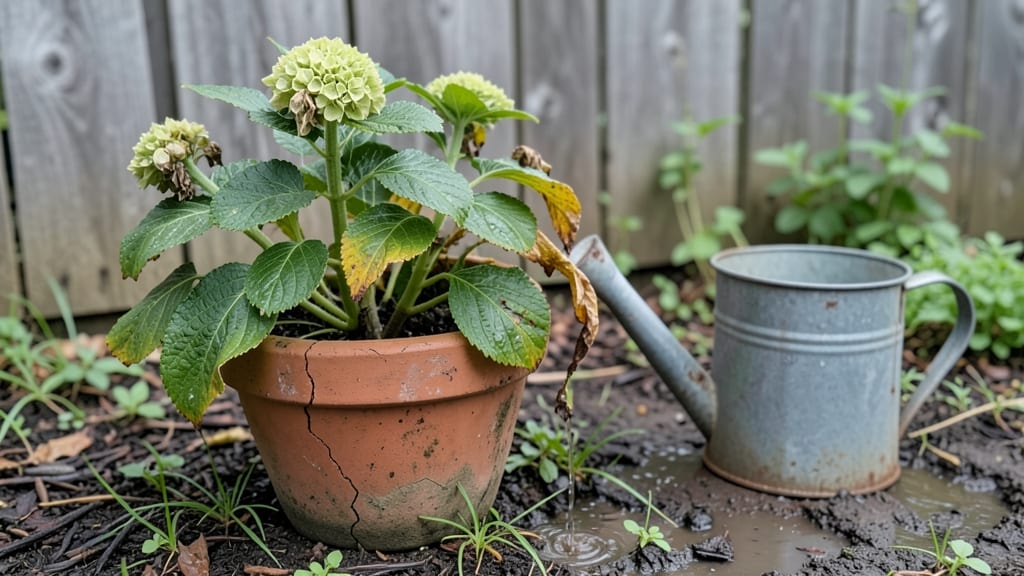
An overwatered hydrangea with yellowing leaves isn’t a death sentence—it’s a wake-up call your plant needs. I’ve nursed back more soggy hydrangeas than I’d like to admit, and the secret lies in cutting back on water, fixing drainage, and pruning the right way.
The key isn’t just less water—it’s smarter water, plus a few simple tweaks that make all the difference.
Most people drown their hydrangeas without realizing it—soggy soil, compacted pots, or overzealous watering schedules all lead to the same sad yellowing. But here’s the good news: once you adjust your routine, you’ll see fresh green leaves within 2-3 weeks.
Start by checking the soil moisture before watering, and upgrade to a pot with drainage holes if yours is still the old "waterfall" type. It’s not rocket science, but it is the difference between a sad plant and one that thrives.
What you’ll end up with is a hydrangea that’s vibrant, productive, and no longer begging for rescue. The blooms will come back bigger, the leaves will stay lush, and you’ll avoid that sinking feeling of watching a plant slowly rot from the roots up.
The best part? These fixes work for hydrangeas in pots and in the ground—no fancy tools required, just a little attention to what your plant is actually telling you.
Fair warning: if the roots smell like rot or the stems feel mushy, you might need to dig deeper (literally) and consider fungicides—but that’s the exception, not the rule. Most overwatered hydrangeas just need a reset. Let’s get yours back on track before the next heatwave hits.
Common Causes Of Overwatering
Understanding why your hydrangea plant gets overwatered is the first step to saving it. Hydrangeas, with their lush foliage and vibrant blooms, are stunning but surprisingly sensitive to moisture levels. Here’s a breakdown of the most common reasons this happens—and how to avoid them.
🌱 The #1 culprit for soggy roots.
Hydrangeas thrive in well-draining soil, but if your garden bed or pot lacks proper drainage, water pools around the roots instead of flowing away. This creates anaerobic conditions (low oxygen), where roots suffocate and rot.
Compacted clay soil or dense potting mixes (like pure peat) trap moisture, worsening the problem.
Why it matters:
- Roots need oxygen to absorb nutrients. Without it, they weaken and turn mushy.
- Over time, this leads to yellowing leaves, wilting, and stunted growth.
Quick fix: Amend soil with perlite, sand, or compost to improve aeration. For pots, use a mix designed for acid-loving plants (like azaleas) with added grit.
💦 When "just a little more" becomes too much.
Hydrangeas are thirsty but not drowning plants. Many gardeners water on a schedule (e.g., every 2–3 days) without checking soil moisture. But factors like rain, humidity, or season change how often they need water.
Why it happens:
- Inconsistent moisture: Alternating between dry and soggy soil stresses roots.
- Ignoring the "finger test": Sticking your finger 1–2 inches into the soil tells you if it’s dry (time to water) or damp (wait).
- Small pots = fast drying: Container hydrangeas dry out quicker than in-ground plants, but they also retain moisture longer if not drained properly.
Pro tip: Water deeply but less frequently—aim for 1–1.5 inches per week (including rain). Let the top 1–2 inches of soil dry out before watering again.
🏺 Trapped water = root prison.
If your hydrangea is in a container without drainage holes, excess water sits at the bottom, creating a waterlogged root zone. Even "self-watering" pots can fail if not monitored.
Why it’s dangerous:
- Root rot spreads fast in stagnant water, cutting off nutrient uptake.
- Fungal infections (like Phytophthora) thrive in wet, warm conditions.
Solution:
- Repot immediately if using a decorative cache pot—place the plant in a nursery pot with holes inside.
- Never let pots sit in saucers of water (even for "a few minutes").
☔ Mother Nature’s overwatering machine.
If you’re in a humid climate or just had days of rain, your hydrangea might be drowning without you even touching the hose. Overcast skies and poor airflow slow evaporation, keeping soil damp longer than usual.
Signs it’s happening:
- Leaves stay dark green (not crispy or wilted).
- Soil feels squishy even days after rain.
What to do:
- Move potted hydrangeas to a sheltered spot during downpours.
- Check soil moisture—if it’s still damp 48+ hours after rain, hold off on watering.
🏺 Some pots hold onto water like a sponge.
Terracotta pots dry out faster (good for hot climates), but plastic or glazed ceramic pots trap moisture, keeping roots wet for days. If your hydrangea is in a large, heavy pot, it may not dry out between waterings.
Material breakdown:
| Pot Type | Dries Out? | Risk Level | Best For |
|---|---|---|---|
| Terracotta | ⚡ Fast | Low | Hot, dry climates |
| Plastic | 🐢 Slow | High | Humid areas (if drained) |
| Glazed Ceramic | 🐢 Slow | High | Decorative use only |
| Fabric (Felt) | ⚡ Fast | Low | Self-watering setups |
Fix: Switch to terracotta or fabric pots if you’re in a humid area, or upgrade drainage in existing pots.
🌿 When soil acts like a swamp.
If your hydrangea is planted in native clay soil or a peat-heavy potting mix, water doesn’t drain—it lingers. Even "moisture-retentive" mixes can be too much if overwatered.
How to test:
- Squeeze a handful of soil—if it stays clumped and damp for hours, it’s too dense.
- Stick a finger in—if water seeps out slowly, drainage is poor.
Solution:
- For garden beds: Mix in compost + perlite (1:1 ratio).
- For pots: Use a 50/50 blend of potting soil and orchid bark or pine fines.
🌸 Winter vs. summer = totally different water rules.
Hydrangeas slow down in winter, needing far less water than in summer. Yet many gardeners keep watering on the same schedule, leading to root rot in cold, wet soil.
Seasonal watering guide:
| Season | Watering Needs | Signs of Overwatering |
|---|---|---|
| Spring | Moderate (soil should dry slightly between waterings) | Yellow leaves, mold on soil |
| Summer | Frequent (deep watering 2–3x/week) | Wilting despite wet soil |
| Fall | Reduce gradually (plants prep for dormancy) | Dark, mushy stems |
| Winter | Minimal (only if soil is bone-dry) | Blackened roots, no new growth |
Key takeaway: Adjust your watering like the seasons change—less in winter, more in summer heat.
💧 Not all water is created equal.
If you’re watering with hard water (high in minerals) or saltwater (from coastal areas), you’re compacting soil and raising salt levels, which disrupts drainage and nutrient uptake.
Red flags:
- White crust on pot rims (mineral buildup).
- Salty soil (tastes bitter when wet).
Fix:
- Use rainwater or filtered water for potted hydrangeas.
- Flush soil occasionally with clean water to leach out salts.
🔍 Overwatering isn’t always obvious.
Unlike underwatering (which causes crispy leaves), overwatering sneaks up with:
- Yellowing leaves (especially lower ones).
- Mushy, black stems (sign of rot).
- Slow or no new growth (roots can’t function).
Action step: Before watering, always check soil moisture and drainage—your hydrangea’s health depends on it!
Revive Your Soggy Hydrangea Now
Overwatering can turn your hydrangea’s lush green leaves into a sad, yellowing mess—but don’t panic! With the right steps, you can nurse your plant back to health and keep it thriving.
Below, we’ve mapped out practical fixes for common overwatering issues, along with prevention tips to avoid future soggy soil struggles.
If your hydrangea’s leaves are yellowing (especially the older ones) or wilting despite damp soil, it’s likely drowning in excess moisture.
Step 1: Let the Soil Dry Out Completely 🔥
- Stop watering immediately—hydrangeas hate "wet feet."
- Check moisture by sticking your finger 2 inches deep into the soil.
If it’s damp, wait another 2–3 days before checking again. - Pro Tip: 💡 Use a moisture meter for accuracy—hydrangeas prefer soil that’s 60% moisture at most.
Step 2: Improve Drainage for Good 🏗️
Poor drainage is the #1 reason hydrangeas stay waterlogged.
Fix it with these tweaks: - Repot if needed: If your plant’s in a container, choose a pot with drainage holes (or drill them yourself). - Add perlite or sand: Mix 20–30% perlite, sand, or orchid bark into the soil to loosen it up. - Raise the pot: Place it on feet or a saucer to prevent water pooling at the bottom.
Step 3: Prune Damaged Foliage 🪒
- Snip off yellow, mushy, or blackened leaves with sterilized scissors to redirect energy to healthy growth.
- Don’t panic-prune—only remove 10–20% of the plant at first.
Step 4: Adjust Your Watering Routine ⏰
Hydrangeas need consistent moisture but hate soggy conditions.
Follow this schedule: | Season | Watering Frequency | How Much | |------------------|-----------------------|-----------------------| | Spring/Fall | Every 3–5 days | 1–1.5 gallons per watering | | Summer | Every 2–3 days | 1.5–2 gallons (deep watering) | | Winter | Every 7–10 days | Light misting (if not dormant) |
Pro Tip: 🌡️ Water in the morning—this gives leaves time to dry, reducing fungal risks.
If your hydrangea’s stems are soft, brown, or smelly, root rot may have set in. Act fast!
Step 1: Remove the Plant & Inspect Roots 👨🍳
- Gently dig up the plant (for potted hydrangeas, tip the pot).
- Rinse roots under lukewarm water to see the damage:
- Healthy roots: Firm, white/cream-colored.
- Rotten roots: Mushy, black/brown, or smell like decay.
Step 2: Trim the Rotten Bits ⏳
- Use clean pruners to snip off all mushy roots.
- Do NOT use the same soil—throw it away or sterilize it.
Step 3: Repot in Fresh, Well-Draining Mix 🥘
- Repot in a clean container with:
- 50% peat moss or coconut coir
- 30% perlite or vermiculite
- 20% compost
- Add a fungicide (like hydrogen peroxide 3% solution) to the new soil to prevent reinfection.
Step 4: Let It Recover in a Shady Spot 🌿
- Place your hydrangea in bright, indirect light (no harsh sun).
- Water lightly only when the top 1–2 inches of soil are dry.
- Wait 2–4 weeks before fertilizing—roots need time to heal!
Pro Tip: ✨ Add mycorrhizal fungi to the soil—it helps roots recover faster!
Once your hydrangea is back on track, keep these habits to avoid future soggy soil:
- Test soil before watering: Stick your finger in—if it’s damp, wait.
- Use a self-watering system: If you travel often, try a drip irrigation timer or smart pot.
- Mulch properly: Add 2–3 inches of mulch (like pine bark) to retain moisture without suffocating roots.
- Choose the right pot: Terracotta pots dry out faster than plastic—great for forgetful waterers!
- Monitor weather: If it’s raining daily, skip watering until the ground dries.
Final Thought: 🎯 With these fixes, your hydrangea should bounce back in 2–6 weeks. Stay patient, adjust your watering habits, and soon you’ll have vibrant blooms instead of yellow leaves!
Frequently asked questions
How can I tell if my hydrangea is overwatered vs. underwatered?
Check the soil and leaves: Overwatered hydrangeas have yellowing lower leaves, mushy stems, and soil that stays damp for days. Underwatered ones show crispy brown edges and dry, pulling soil. The key difference? Overwatered plants wilt despite wet soil, while underwatered ones feel dry to the touch.
Will my hydrangea recover from root rot?
Yes, but you’ll need to act fast! Remove the plant, trim all mushy roots, and repot in fresh, well-draining soil with perlite. Keep it in bright indirect light and water only when the top 1-2 inches of soil are dry. With proper care, new growth should appear in 2-4 weeks.
Can I save a hydrangea with blackened stems?
Blackened stems indicate advanced rot. Prune back to healthy green tissue (about 1/4 inch above the blackened area) and repot immediately. If more than 50% of the plant is affected, consider propagating healthy cuttings instead. The key is stopping water stress immediately.
How often should I water my hydrangea in summer?
Water deeply 2-3 times per week (about 1.5-2 gallons each time) when the top 1-2 inches of soil feel dry. Morning watering prevents fungal growth. In extreme heat, check soil moisture daily—hydrangeas need more water but hate soggy roots.
What's the best pot material for hydrangeas?
Terracotta pots dry out fastest (best for forgetful gardeners) while plastic holds moisture longer. For humid climates, choose fabric grow bags or pots with multiple drainage holes. Avoid glazed ceramic—it traps water, worsening overwatering risks.