Watering
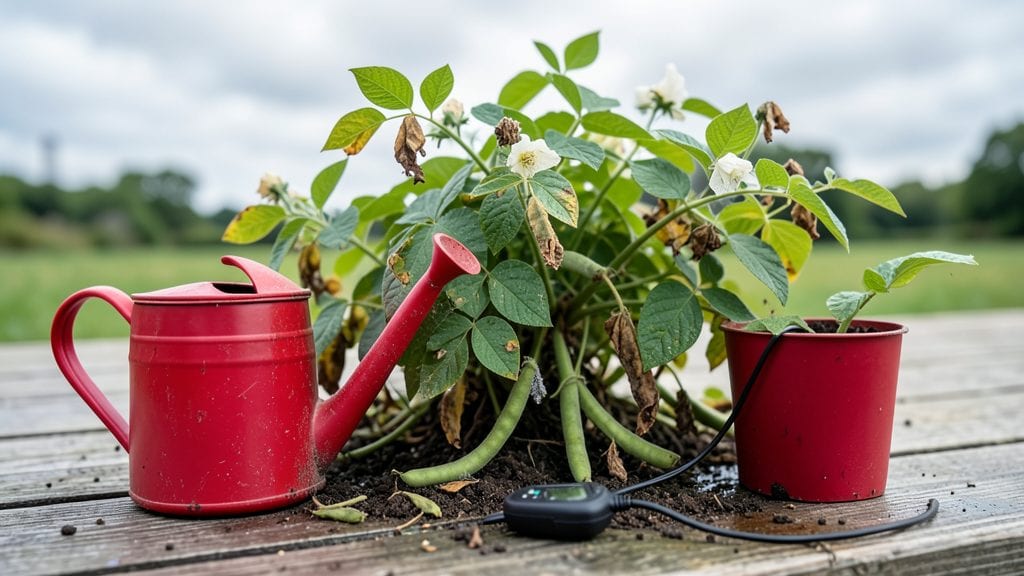
Overwatered bean plants can look like they’re drowning—yellowing leaves, limp stems, and roots that smell like rot. 🌱 I’ve pulled my fair share of sad, soggy beans back from the brink, and the fix is simpler than you’d think.
The key isn’t just cutting back on water; it’s giving your plants air, space, and a chance to breathe.
Most gardeners overdo it because beans seem thirsty, but too much water suffocates roots faster than drought. Start by letting the top 2 inches of soil dry out between waterings—stick your finger in to check.
If it’s damp, wait. Then, improve drainage by mixing in compost or perlite to break up heavy soil, which helps roots recover and prevents future soggy stems.
Within 3-5 days, you’ll see the first signs of life: leaves perk up, new growth appears, and the plant starts looking hungry again (that’s good!). The real game-changer?
Adjusting your watering schedule. Beans need 1-1.5 inches of water per week, but split it into shallow, frequent sips rather than deep, drowning soaks.
This method works for bush beans, pole beans, and even struggling container plants. The secret isn’t just saving them—it’s setting them up for a stronger second act. Let’s get those roots breathing again.
Root Causes Of Excess Moisture
When your bean plants start looking sad with droopy stems, yellowing leaves, or even moldy soil, the culprit is often too much water. But why does this happen? Let’s break down the science behind overwatering and how it stunts your plants’ growth.
Beans thrive in well-draining soil, but if your containers or garden beds lack proper drainage, water pools at the roots instead of flowing away. This creates a waterlogged environment where roots suffocate from a lack of oxygen.
- Why it matters: Roots need air to respire (breathe) and absorb nutrients. Without oxygen, they weaken, leading to root rot—a fungal infection that kills plant tissue.
- Common triggers:
- Clay-heavy or compacted soil that doesn’t absorb excess water.
- Containers without drainage holes (or holes clogged with soil).
- Planting beans in low-lying areas where water collects after rain.
- Actionable fix: Amend soil with perlite, sand, or coconut coir to improve aeration. Elevate pots or raised beds to prevent water pooling.
Beans don’t need daily drinks—especially in humid climates. Overwatering disrupts the natural balance of moisture and oxygen in the soil, forcing roots to drown.
- Why it matters: Excess water leaches away essential nutrients (like nitrogen and potassium) while promoting harmful bacteria and fungi. Even drought-tolerant beans like Phaseolus vulgaris can’t survive prolonged sogginess.
- Common triggers:
- Watering on a fixed schedule (e.g., every morning) without checking soil moisture.
- Using sprinklers that soak the soil instead of targeting the root zone.
- Ignoring weather conditions (e.g., watering heavily after rain).
- Actionable fix: Water only when the top 1–2 inches of soil feel dry. Use the finger test: Stick your index finger into the soil—if it’s damp, wait. For containers, lift them: dry weight = thirsty plants!
Young bean seedlings have delicate, underdeveloped roots that can’t handle excess moisture. Without a strong root network, they’re prone to shock and disease.
- Why it matters: New roots lack the energy to push through compacted, waterlogged soil. This stunts growth and makes plants vulnerable to Pythium or Phytophthora—fungi that thrive in wet conditions.
- Common triggers:
- Transplanting seedlings without acclimating them to their new environment.
- Starting seeds in overly moist seedling mixes that don’t dry out between waterings.
- Planting beans in cool, damp soil before roots can establish (wait until soil temps are at least 60°F).
- Actionable fix: Let seedlings dry out slightly between waterings. Harden off young plants by gradually exposing them to outdoor conditions before transplanting. Use well-draining seedling trays with a mix of peat and vermiculite.
Beans hate soggy feet and high humidity. When warm air traps moisture around leaves and soil, it creates the perfect storm for fungal infections and poor transpiration.
- Why it matters: High humidity slows evaporation, keeping soil damp longer. Combined with warm temps, this accelerates microbial growth, leading to leaf spot or powdery mildew—both of which weaken plants.
- Common triggers:
- Planting beans in shaded or enclosed spaces (e.g., greenhouses without ventilation).
- Watering late in the day when temps are high, preventing foliage from drying.
- Living in tropical or monsoon climates where humidity stays above 70%.
- Actionable fix: Water early in the morning so leaves dry by sunset. Space plants 12–18 inches apart for airflow. Use a fan in greenhouses or row covers to reduce humidity.
Pro Tip: 💡 Mulch wisely! Organic mulch (like straw) helps retain moisture, but too much can suffocate roots. Use a 1–2 inch layer and keep it away from the stem to prevent rot.
Revive Your Bean Plants Now
Overwatered bean plants can feel like a hopeless case, but with the right steps, you can nurse them back to health—sometimes even faster than you think! The key is acting quickly and addressing the root (literally) of the problem.
Below, we’ve broken down practical fixes for the most common causes of soggy soil and wilting stems, plus prevention tips to keep your beans thriving.
Cause: Excess moisture suffocates roots, cutting off oxygen and leading to rot. Fix:
- Pause watering for at least 3–5 days to let the soil dry out. Check moisture by sticking your finger 1–2 inches deep—if it’s damp, wait longer.
- If the soil is muddy or smells sour, it’s a red flag for overwatering. Drain excess water from pots or improve drainage in garden beds by adding sand or perlite (10–20% of the soil mix).
Pro Tip: 💡 Morning watering is best—it gives roots time to absorb moisture before evening humidity sets in.
Cause: Compacted or clay-heavy soil traps water, drowning roots. Fix:
- For potted beans: Repot into a container with drainage holes (if missing) and mix in coarse sand, perlite, or coconut coir to aerate the soil.
- For garden beans: Loosen the soil around the base with a fork or trowel to break up compaction. Add compost or aged manure to improve structure.
- Ditch the soggy top layer: Scoop out the top 1–2 inches of wet soil and replace it with fresh, dry potting mix.
Pro Tip: ✨ Test your soil’s drainage by filling a pot with water—if it drains in under 30 minutes, you’re good. If not, amend it!
Cause: Rotten roots or mushy stems can’t recover without intervention. Fix:
- Gently remove the plant from the soil (if possible) and rinse the roots with water to assess damage.
- Trim black, mushy roots with sterilized scissors (wipe with rubbing alcohol). Healthy roots should be white or light tan.
- Prune yellowed or wilted leaves—this redirects energy to recovery. Avoid cutting into green stems unless they’re soft or discolored.
- Replant in fresh, dry soil or a new pot. If roots are severely damaged (90%+ rot), the plant may not survive—but give it a try!
Pro Tip: 🔪 Work quickly to avoid shocking the plant further. If replanting, water lightly only after 2–3 days.
Cause: Inconsistent watering (too much, too little) stresses plants. Fix:
- Water deeply but infrequently: Bean plants prefer 1–1.5 inches of water per week, delivered in one soaking session (not daily sprinkles).
- Use the "finger test": Water only when the top 1–2 inches of soil are dry. Sticks or moisture meters work too!
- Mulch to retain moisture: Spread straw or shredded leaves around the base (but keep it 2–3 inches away from stems to prevent rot).
Pro Tip: 🌡️ Adjust for weather—cut back in rain or humidity; water more in heatwaves.
- Choose the right pot: Ensure containers have drainage holes and are 2–3 inches larger than the root ball.
- Upgrade your soil: Use a light, well-draining mix (e.g., 60% potting soil + 30% perlite + 10% compost).
- Monitor weather: Set a phone reminder to check soil moisture after heavy rains.
- Rotate pots: If growing indoors, move pots occasionally to prevent uneven water absorption.
Final Thought: Overwatered beans can bounce back—but speed is critical. Act within 24–48 hours for the best chance of revival. With these fixes, your plants should perk up in a week or two, and you’ll be harvesting plump, healthy beans in no time! 🌿💚
Frequently asked questions
How do I know if my bean plants are overwatered instead of underwatered?
Check the soil and leaves: Overwatered beans have yellowing leaves, mushy stems, and soil that smells sour or looks muddy. Underwatered plants have crispy brown edges and dry, pulling soil. Press your finger 1-2 inches deep—if it's damp, you're overwatering.
Can I save a bean plant with black, rotting roots?
Trim away all black/mushy roots with clean scissors and replant in dry soil. If over 50% of roots are rotten, recovery is unlikely—but try it! Water lightly only after 2-3 days to prevent further damage. Healthy roots should be white or light tan.
Why do my container-grown beans wilt even with drainage holes?
Containers dry out faster, but overwatering still happens when soil stays soggy. Lift the pot—if it's heavy, soil is too wet. Use a well-draining mix (60% potting soil + 30% perlite) and water only when top 1 inch feels dry. Morning watering prevents evening moisture buildup.
How long should I wait before watering again after fixing overwatering?
Wait until the top 2 inches of soil feel dry—usually 3-5 days for recovery. For containers, check weight (lighter = thirsty). After that, water deeply but only when soil is dry to 1-2 inches deep. Adjust based on weather—less in rain, more in heat.
Will overwatered beans still produce pods?
Severely overwatered plants may not recover in time for harvest, but if you act fast (within 24-48 hours), they can bounce back. Focus on new growth—healthy leaves mean potential for future pods. If roots are severely damaged, expect a smaller harvest or no pods that season.