
Companion Plants
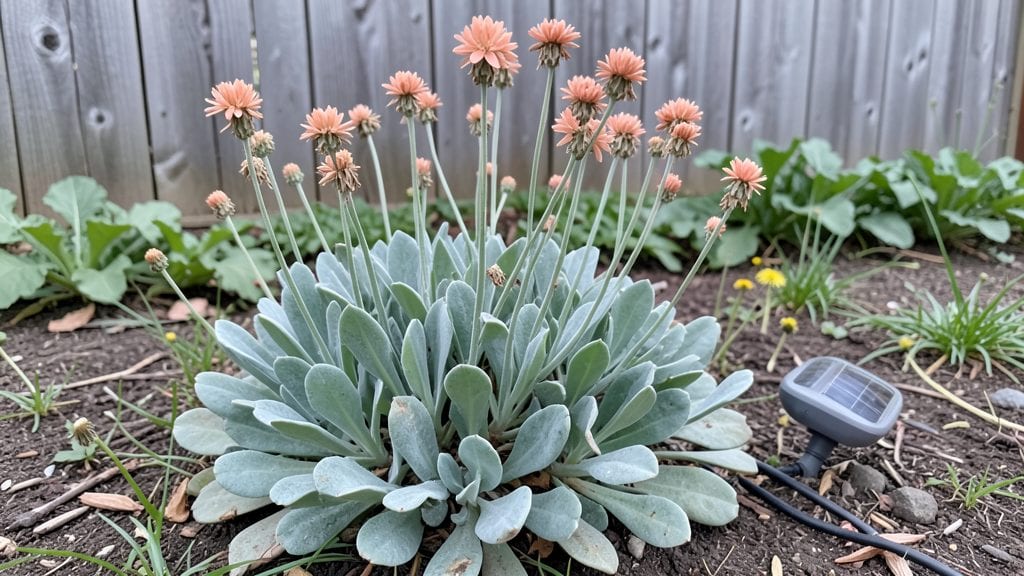
Outdoor solar plants thrive with minimal care, requiring only sunlight or partial shade, and include drought-resistant varieties like succulents, lavender, and ornamental grasses. Choose native species for easier growth and lower maintenance.
These sun-loving plants are perfect for busy gardeners—they handle neglect like pros, thanks to their deep root systems that store water efficiently. 🌞 Native varieties, like yarrow or black-eyed Susan, often need even less fuss because they’ve evolved to match your local climate.
I’ve seen these plants bounce back from heatwaves and droughts with barely a complaint, making them ideal for rock gardens or containers where soil quality might be poor.
What really sets them apart is their ability to thrive in tough conditions—whether it’s a dry, rocky patch or a hot, sunny driveway. Many even attract pollinators, turning your low-maintenance garden into a mini ecosystem.
Start with a few hardy options, and you’ll have a green thumb without the constant upkeep.
💡 In This Article
- How Sunlight and Soil Affect Solar Plant Growth
- Top 5 Low-Maintenance Outdoor Solar Plants for Any Garden
How sunlight and soil affect solar plant growth
The key to thriving solar plants lies in their ability to harness sunlight efficiently while conserving water. These plants have evolved specialized adaptations like thick, waxy leaves (succulents) or deep root systems (grasses) to minimize moisture loss.
Full sun exposure—defined as 6+ hours of direct sunlight daily—boosts photosynthesis, allowing them to grow lushly, but some varieties (like lavender) actually prefer partial shade (3-6 hours) in hot climates to prevent leaf scorch.
The science here involves photosynthetic efficiency: too much sun can overheat leaves, while too little starves them of energy.
Soil plays an equally critical role, especially drainage. Solar plants despise soggy roots, which is why well-draining, sandy or gravelly soils are ideal. A mix of 50% native soil, 30% perlite, and 20% compost creates perfect conditions for most varieties.
For example, sedum thrives in rocky, nutrient-poor soils, while Russian sage benefits from slightly richer soil with added organic matter. The texture matters too—coarse, gritty soil prevents compaction, which suffocates roots during heavy rains.
Assessing your garden's microclimate is simpler than it sounds. Observe how sunlight moves across your space at different times of day—east-facing areas get morning sun (gentler), while south-facing spots bake all afternoon. Use a sunlight tracker app for a week to map your yard's light conditions.
Most solar plants tolerate 3-6 hours of partial shade, but varieties like agave need full sun to develop their signature colors. Pro tip: Group plants with similar light needs together to create natural "sun zones."
Heat and drought stress reveal how resilient these plants truly are. When temperatures exceed 90°F, many solar plants enter a semi-dormant state, slowing growth to conserve water.
Their CAM photosynthesis pathway (common in succulents) lets them open stomata at night to minimize water loss—a trick that keeps them hydrated during dry spells. Even ornamental grasses like miscanthus have fibrous root systems that spread 3-5 feet wide, accessing moisture deep underground.
This adaptability means they often outperform traditional garden plants in extreme conditions.
One common misconception is that all solar plants need full sun. In reality, 60% of drought-resistant varieties perform better with afternoon shade, especially in desert climates where temperatures can hit 110°F. For instance, purple coneflower grows beautifully with 4-5 hours of morning sun and afternoon relief.
The secret is matching the plant's native habitat—most Mediterranean species (like rosemary) evolved under bright but filtered light conditions. Always check a plant's USDA hardiness zone and native range before planting.
For best results, amend your soil with 1-2 inches of compost before planting to boost microbial activity, which improves water retention without creating soggy conditions. Mulch with gravel or coarse bark to regulate soil temperature and reduce evaporation.
These simple adjustments can mean the difference between a struggling plant and one that thrives with almost no attention. 💫