
Pruning
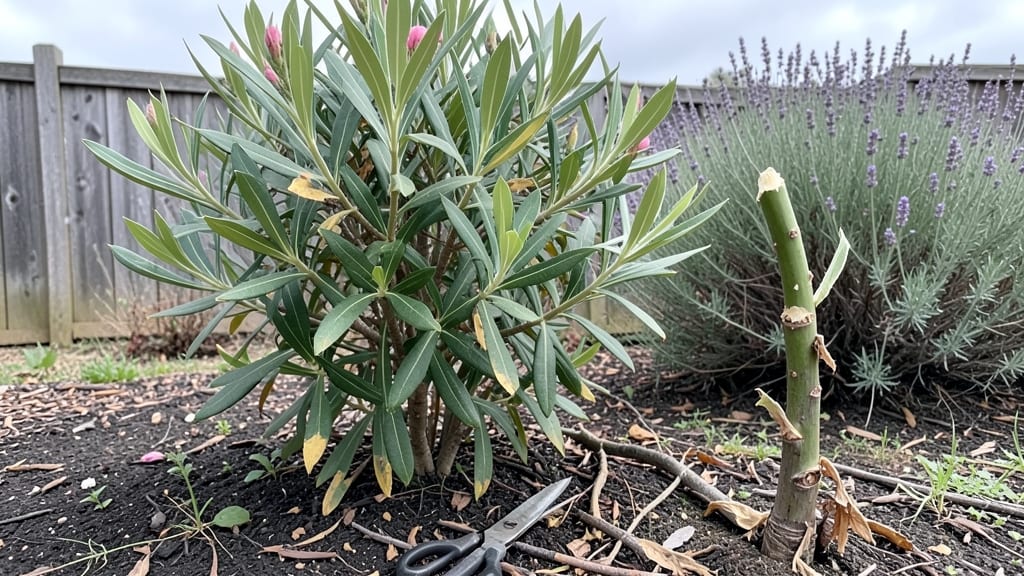
Pruning oleander plants keeps them lush and blooming all season—if you do it right. I’ve learned the hard way that timing and technique make all the difference, especially with these fast-growing shrubs that reward precision over brute force.
The key is three strategic cuts: a light shape-up after flowering, a mid-season trim to encourage branching, and a final cleanup before winter. One wrong snip can leave you with leggy growth or sparse blooms, but master this, and your oleander will stay compact, vibrant, and productive for years.
You’ll need sharp pruning shears (bypass type), heavy-duty gloves, and a bucket for clippings—oleander sap is toxic, so safety first. A clean cut just above a leaf node (where new growth emerges) is all it takes, but avoid hacking back more than a third of the plant at once.
My first attempt left a mess of uneven branches, but after a few seasons, I’ve dialed in the rhythm: trim just enough to guide the shape you want, not to “fix” what’s already there. The goal is to encourage dense, bushy growth, not to strip the plant bare.
By late summer, you’ll see the payoff—thicker stems, more blooms, and a shape that fits your space perfectly. The plant responds quickly to pruning, pushing out fresh green shoots within weeks, and those new branches will carry next year’s flowers.
Even better, you’ll spend less time wrestling with overgrown limbs and more time admiring the neat, manicured look that makes oleanders stand out in any landscape. The secret isn’t in how much you cut, but in how you guide the plant’s natural shape.
This works for both potted oleanders and those planted in the ground, though container plants need slightly more frequent trims to control their size. If you’re in a warmer climate, you can prune year-round, but stick to the seasonal approach if you’re in a cooler zone.
The same rules apply—just adjust the timing to avoid late frosts. Once you get the hang of it, pruning becomes second nature, and your oleander will thank you with healthier growth and bigger blooms every year.
📚 In This Guide
- What you need
- Instructions
- Tips and common mistakes
- Wrapping up and next steps
What you need
- ● Pruning shears: Bypass pruners (sharp, sterilized—oleander sap can irritate skin!) for small branches (4"–1" diameter). Quantity: 1 pair.
- ● Loppers: For medium branches (1"–2" diameter). Quantity: 1 pair (long-handled for reach).
- ● Pruning saw: For thick branches (>2" diameter). Quantity: 1 (bow saw or pruning saw).
- ● Gloves: Heavy-duty, nitrile-coated gloves (oleander is toxic—protect your hands!). Quantity: 1 pair.
- ● Disinfectant: 70% isopropyl alcohol or bleach solution (1 part bleach to 9 parts water) to sterilize tools between cuts. Quantity: Small spray bottle or wipe.
- ● Trash bags: Heavy-duty (oleander trimmings are toxic—do not compost). Quantity: 2–3 bags.
- ● Ladder: Sturdy, extendable ladder (if pruning tall oleanders). Height: At least 10–12 ft for mature plants.
- ● Rags or paper towels: For wiping sap off tools and hands. Quantity: 2–3 rags.
- ● Hand pruners: Compact bypass pruners for precision trimming on small branches. Quantity: 1.
- ● Pole saw: For high branches without a ladder (extends reach up to 10 ft). Quantity: 1.
- ● Plant tie-downs: Soft straps or twine to secure branches during heavy pruning. Quantity: 2–3.
- ● Hose & spray nozzle: To rinse tools and hands after pruning (oleander sap is sticky!).
- ● Safety goggles: Protects eyes from debris (especially when using a saw).
Instructions for oleander plant pruning: year-round shape control
Here's how I keep oleanders lush and contained through every season.
Spring Cleanup Cut to Encourage New Growth
Start by removing any dead, damaged, or crossing branches in late winter or early spring, just as new growth begins. I look for brown, brittle stems or branches rubbing against each other—these compete for energy and create weak spots. Use clean, sharp pruning shears to make cuts just above a leaf node or outward-facing bud.
This is the time to shape your plant's overall form. If your oleander has grown leggy over winter, cut back the longest stems by about one-third to encourage bushier growth. Make cuts at a 45-degree angle about ¼ inch above a bud or leaf node. Avoid cutting into old wood—oleanders are more likely to die back if you prune too severely into their mature stems.
Summer Maintenance Pruning for Airflow and Flowering
During the growing season, I do light pruning every 4-6 weeks to maintain shape and improve airflow. Focus on removing any suckers that sprout at the base or along the stems—these drain energy from your main plant. Also trim back any stems that have finished flowering to encourage new blooms lower on the plant.
Never remove more than one-third of the plant's foliage in a single session during summer. Oleanders flower on old wood, so avoid heavy pruning that could reduce next year's blooms. If you notice leggy new growth reaching toward the sun, cut back the tips to promote branching. Always sterilize your shears with rubbing alcohol between cuts to prevent disease spread.
Late Fall to Winter Pruning for Winter Hardiness
After the first frost, when the plant is dormant, do your final pruning of the year. This is when I remove any remaining dead wood and give the plant its final shape for winter. Cut back any stems that died back from cold damage, making clean cuts just above healthy growth or outward-facing buds.
I avoid heavy pruning in late fall—just enough to clean up the plant and remove any weak growth. Oleanders are somewhat cold-hardy but can suffer from winter dieback if pruned too severely. Leave the plant with a balanced shape that won't be stressed by winter winds. This final pruning sets the stage for strong new growth in spring.
Year-Round Monitoring and Adjustments
Between these seasonal prunings, keep an eye on your oleander for any signs of overgrowth or disease. If you notice branches growing too close together, trim them back immediately to improve air circulation. Regular light pruning prevents the plant from becoming too dense, which can lead to fungal issues.
I always prune just after rain or in the early morning when the plant is well-hydrated. This helps reduce stress on the plant and prevents it from going into shock. After each pruning session, I give the plant a deep watering to help it recover. With consistent care, your oleander will stay healthy, well-shaped, and full of blooms throughout the growing season.
Tips & tricks for perfect oleander pruning
These simple strategies will help you keep your oleander looking its best without stressing the plant or risking damage.
Timing is Everything: In Step 1, when pruning leggy stems by one-third, I always wait until just as new growth begins in late winter or early spring. This timing ensures the plant has enough energy reserves to recover quickly. If you prune too early, you risk shocking the plant before it's ready to regrow. Look for those first tender green shoots as your cue—this is when oleanders can handle more aggressive shaping.
Cutting Technique Matters: The 45-degree angle cuts about ¼ inch above a bud or leaf node in Step 1 are crucial—they direct new growth outward rather than inward. I learned this the hard way after creating dense centers that blocked sunlight. Always make clean cuts with sharp shears to prevent tearing, which can introduce diseases. For thicker stems, I make two small cuts that meet in the middle to avoid splintering the wood.
Seasonal Pruning Balance: During summer maintenance in Step 2, I never exceed the one-third foliage rule—this is especially important because oleanders flower on old wood. If you remove too much at once, you might sacrifice next year's blooms. Instead, I do light pruning every 4-6 weeks, focusing on suckers and spent blooms. This keeps the plant healthy while maintaining that beautiful floral display.
Winter Prep Strategy: For the late fall pruning in Step 3, I avoid heavy cuts and focus on removing only dead or damaged wood. This prepares the plant for winter dormancy without stressing it. I also make sure to leave a balanced shape that won't catch excessive wind, which can damage tender new growth in spring. A deep watering after pruning helps the plant recover before winter sets in.
Pro Tips for Oleander Plant Pruning
- These simple strategies will help you keep your oleander looking its best without stressing the plant or risking damage.
- Timing is Everything: In Step 1, when pruning leggy stems by one-third, I always wait until just as new growth begins in late winter or early spring.
- Cutting Technique Matters: The 45-degree angle cuts about ¼ inch above a bud or leaf node in Step 1 are crucial—they direct new growth outward rather than inward.
Frequently asked questions
Got questions about oleander pruning? You’re not alone! Here are some of the most common concerns—and straightforward answers—to help you keep your plant thriving year-round.
When is the best time to prune oleander?
The ideal time is late winter or early spring (just before new growth starts) for major shaping. Light trims can happen anytime, but avoid heavy cuts in fall—it may stimulate tender growth that won’t survive winter. If you’re in a mild climate, year-round pruning is fine, but always prioritize after flowering to maintain energy for regrowth.
How much can I trim oleander without harming it?
Oleanders are tough! You can safely remove up to one-third of the plant’s height or volume in a single session. For dramatic changes, spread cuts over two seasons to reduce stress. Avoid over-pruning—this can weaken the plant or invite pests. If you’re unsure, start with smaller cuts and observe how it recovers.
What should I do if my oleander bleeds sap after pruning?
Sap bleeding (a milky or yellowish liquid) is normal and harmless—it’s the plant’s way of sealing wounds. To minimize it, use clean, sharp tools and prune on a dry, sunny day. Seal larger cuts with pruning sealant (optional) to speed up healing. Avoid fertilizing immediately after pruning, as it can stress the plant further.
Can I prune oleander to encourage more flowers?
Yes! Prune right after flowering to promote bushier growth and more blooms next season. Focus on removing dead or leggy stems and thinning out crowded branches for better airflow. Avoid heavy cuts in late summer—this can delay flowering. For continuous blooms, light pruning every 6–8 weeks works wonders!
Are there alternatives to traditional pruning for oleander?
If you prefer minimal intervention, try pinching (removing the tips of new growth) to encourage branching. For topiary shapes, use hedge shears and frequent light trims. If your oleander is overgrown but you want to avoid drastic cuts, gradual shaping over months is gentler. Just avoid shearing into a ball—oleanders respond better to natural, layered pruning.
Wrapping up and next steps
Mastering oleander plant pruning is all about timing, technique, and a little patience—your garden will thank you!
By following three seasonal cuts, you’ll keep your oleander lush, healthy, and beautifully shaped year-round. Remember: safety first (gloves and goggles are your best friends!), and always sterilize your tools to prevent disease.
Ready to take the next step? Grab your pruners, mark your calendar for the next pruning window (spring, summer, or winter), and give your oleander the care it deserves. Happy pruning! 🌿✂️