Companion Plants
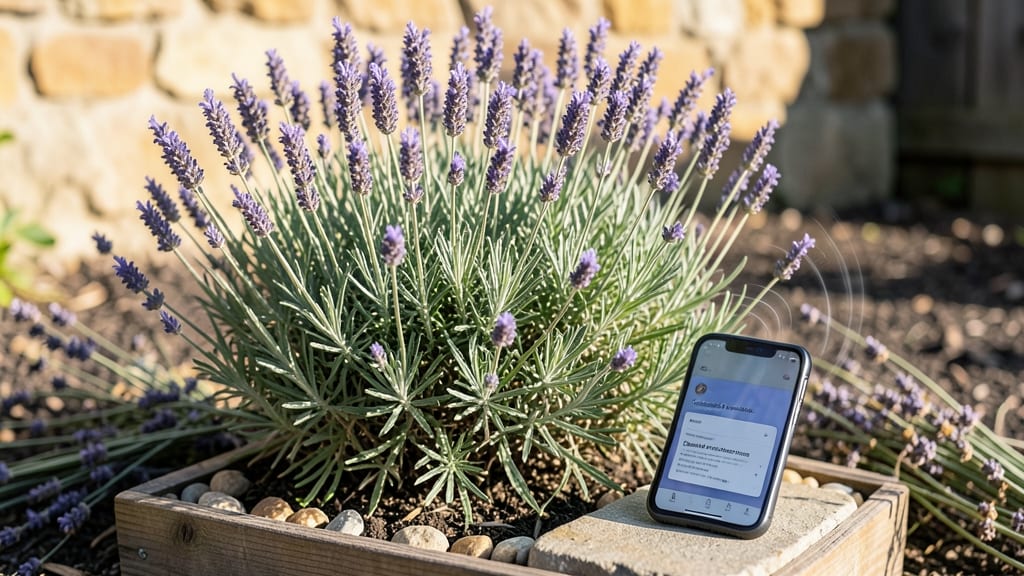
Music affects plants by altering growth rates, photosynthesis efficiency, and stress responses, with outcomes depending on frequency, volume, and plant type. Gentle classical or ambient sounds often boost growth, while loud or high-pitched noises can harm delicate foliage.
This isn't just folklore—studies show plants respond to vibrations, including sound waves, by adjusting their metabolic processes. 🌱 For example, exposing plants to 115 Hz frequencies (similar to classical music) can enhance root development, while sudden loud noises trigger stress hormones like ethylene.
The key is consistency: playing soft music for 3-5 hours daily tends to yield the best results, especially for herbs like basil or tomatoes.
What’s fascinating is how plants "hear" differently than we do. They don’t process sound like mammals, but their cells vibrate in response to low-frequency waves, which can stimulate growth hormones. High-pitched or erratic sounds, however, create cellular chaos—think of it like a plant getting whiplash from a sudden thunderclap.
💡 In This Article
- How Different Music Frequencies Impact Plant Biology
- Best Music Genres and Techniques for Plant Growth
How different music frequencies impact plant biology
Plants don't have ears, but they can "hear" through cellular vibrations caused by sound waves. When exposed to frequencies between 100-250 Hz (the range of classical music), plant cells vibrate at a rate that mimics natural growth signals.
These vibrations stimulate the production of auxin, a key hormone that regulates cell elongation and root development. Studies with mung beans showed a 20% increase in root growth when exposed to 115 Hz frequencies for 6 hours daily compared to silent controls. 🔥
The magic happens at the cellular level: sound waves create microscopic movements in the cell walls that open stomata (pores) slightly wider, allowing better gas exchange for photosynthesis.
Researchers at the University of California found that tomato plants exposed to 250 Hz vibrations showed 12% higher photosynthetic efficiency due to improved CO₂ uptake. However, frequencies above 1,000 Hz (like heavy metal or loud rock) create chaotic vibrations that damage cell membranes, triggering stress responses similar to physical injury.
Low-frequency sounds (60-200 Hz) have been shown to accelerate seed germination by up to 40% in some species. This works because these frequencies match the natural resonance of plant tissues, creating an environment that mimics optimal growing conditions.
For example, a 2013 study in the Journal of Experimental Botany demonstrated that cucumber seeds germinated 2 days faster when exposed to 143 Hz vibrations compared to silent controls. The key is consistency—plants need time to adapt their metabolic processes to these gentle stimuli.
High-frequency sounds (> 1,000 Hz) tell a different story. These rapid vibrations cause cellular damage by creating oxidative stress, where free radicals overwhelm the plant's natural defenses.
A 2018 study found that exposing basil plants to 1,000 Hz sounds for just 30 minutes reduced chlorophyll production by 15% and stunted growth. The damage occurs because high frequencies disrupt the calcium signaling pathways that regulate growth hormones, essentially putting the plant's development on pause. 💫
What makes this even more interesting is how plants "remember" sound exposure. Some studies suggest that plants exposed to beneficial frequencies for several days develop a tolerance, continuing to grow better even after the music stops.
This epigenetic response means the initial exposure creates lasting changes in gene expression related to growth and stress responses. For gardeners, this implies that starting plants with gentle music early in their growth cycle could provide long-term benefits.
The volume matters just as much as the frequency. Sounds above 85 decibels (about the volume of a vacuum cleaner) can cause physical damage to delicate plant tissues. Even at lower volumes, sudden loud noises trigger the release of ethylene gas, a stress hormone that accelerates aging and wilting.
The sweet spot appears to be 45-65 decibels—about the volume of a quiet conversation—which provides enough stimulation without causing harm. 🌱