
Vegetables
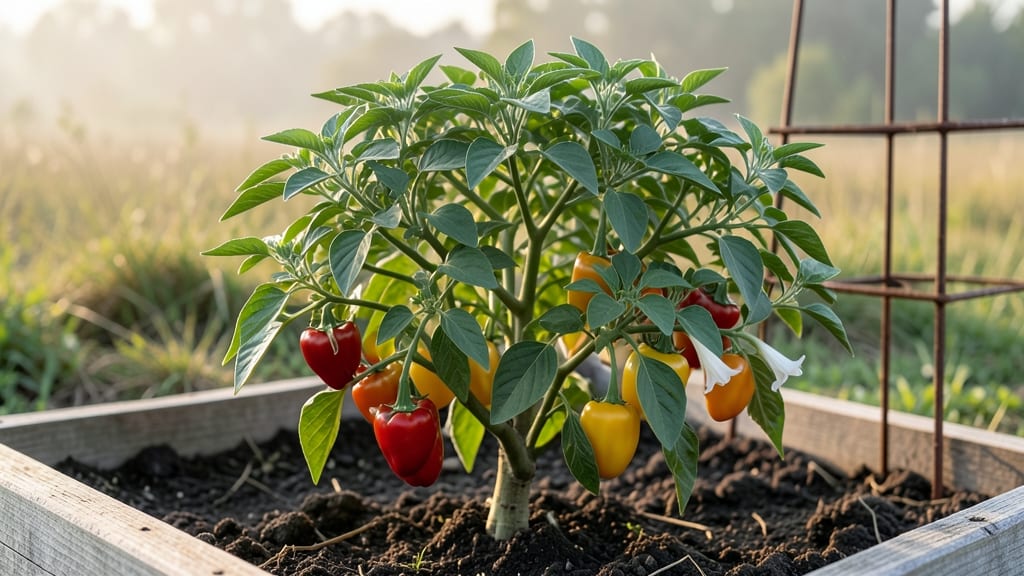
The Lesya pepper plant delivers striped blooms and a year-round harvest that turns heads in any garden. 🌿 I fell for this variety after seeing its dramatic purple-and-white flowers—turns out, the peppers pack a sweet, fruity punch too. This isn’t just another pepper; it’s a conversation starter with edible beauty.
Start with well-draining soil and a sunny spot—Lesya thrives in 6-8 hours of sunlight daily. For indoor growing, a south-facing window or grow lights works, but outdoor plants reward you with bold, showy flowers and prolific peppers.
The key? Consistent moisture without soggy soil, and a balanced fertilizer every 4-6 weeks once flowering begins.
What makes Lesya special is its dual appeal: the ornamental blooms draw pollinators, while the peppers ripen in waves from summer through fall. Harvest when firm and glossy for the best flavor, or let them mature for a sweeter, thicker texture.
Even in cooler climates, a container move indoors extends the harvest.
Watch for aphids on new growth and blossom end rot if calcium levels dip. With the right care, Lesya doesn’t just produce—it performs, blending garden artistry with kitchen utility. Ready to grow yours?
📚 In This Guide
- What you need
- Instructions
- Tips and common mistakes
- Wrapping up and next steps
What you need
- ● Lesya pepper seeds – 5–10 seeds (or 1–2 starter plants from a nursery). Look for organic, non-GMO seeds for the best results!
- ● Seed-starting mix – 1–2 cups of sterile, well-draining potting soil (e.g., Black Gold Seedling Mix).
- ● Growing containers – 4–6" pots for seedlings, or a 5-gallon container for mature plants (ensure drainage holes!).
- ● Fertilizer – A balanced 10-10-10 or 5-5-5 organic fertilizer (e.g., Fish emulsion or compost tea).
- ● Watering can or spray bottle – For gentle hydration (avoid soggy soil!).
- ● Grow lights or sunny windowsill – 6–8 hours of light daily (south-facing window or LED grow lights work great).
- ○ Support structure (optional but helpful) – A small trellis or cage (1–2 ft tall) to support the plant as it grows.
- ● Trowel or small shovel – For transplanting seedlings.
- ● Pruning shears – To trim dead leaves or encourage bushier growth.
- ● pH testing kit – To monitor soil pH (ideal range: 6.0–6.8 for peppers).
- ○ Heat mat (optional) – If starting seeds indoors in cooler climates (70–85°F is ideal for germination).
- ○ Mulch (optional) – Straw or shredded leaves to retain moisture and suppress weeds.
Step-by-step instructions for growing Lesya pepper plants
Here's my foolproof method for cultivating these stunning striped peppers—equal parts ornamental and edible.
🌱 Step 1: Select and Prepare Containers for Germination
Start with 4-inch diameter biodegradable pots filled with sterile seed-starting mix. I press the mix down lightly until it's firm but still crumbly—this prevents air pockets that stunt root growth. Moisten the soil until it feels like a damp sponge, then let it sit for 10 minutes to settle.
Plant 2 seeds per pot at a depth of ¼ inch, pressing gently to ensure good soil contact. Cover with a thin layer of additional mix, then mist the surface with water until evenly damp. The key here is consistency—overwatering now leads to seed rot, while too little moisture delays germination.
💧 Step 2: Create Ideal Germination Conditions
Place the pots in a warm location (75-85°F), ideally on a seedling heat mat. Cover with a clear humidity dome or plastic wrap to trap warmth and moisture. Check daily but resist opening the cover—Lesya peppers need constant humidity during germination.
Germination typically occurs in 10-14 days, though it can take longer in cooler conditions. You'll know it's time when you see the first tiny sprouts pushing through the soil. Once 50% of seeds have sprouted, remove the dome immediately to prevent fungal growth.
☀️ Step 3: Provide Light and Nutrients for Seedlings
Move seedlings to a south-facing window or under grow lights (14-16 hours daily) positioned 2-3 inches above the plants. Lesya peppers grow best with bright, indirect light—direct sun at this stage can scorch tender leaves. Rotate pots quarter-turn daily to prevent leggy growth.
After 2 weeks, when seedlings show their first true leaves, fertilize lightly with a balanced liquid fertilizer (5-5-5) diluted to half strength. This jumpstarts growth without overwhelming young roots. Watch for deep green leaves and sturdy stems—these are signs your seedlings are thriving.
🪴 Step 4: Transplant and Support for Maximum Growth
Transplant seedlings into 5-gallon containers filled with well-draining potting mix when they reach 4-6 inches tall. Lesya peppers need space to develop their distinctive striped blooms, so choose pots with drainage holes and add a 2-inch layer of perlite at the bottom for aeration.
Plant each seedling at the same depth it grew in its pot, then water deeply until moisture runs from the drainage holes. Install bamboo stakes (18 inches tall) immediately to support the plant as it grows. You'll see new leaves emerging within 7-10 days—this is your signal that the transplanting was successful.
✂️ Step 5: Prune and Maintain for Year-Round Blooms
Pinch off the first few flowers that appear to encourage bushier growth. Lesya peppers produce bold striped blooms throughout the season, but removing early flowers redirects energy to the plant's structure. Prune any leggy stems back by ⅓ to maintain shape and improve airflow.
Water when the top 1-2 inches of soil feel dry, and fertilize every 4 weeks with a tomato-and-pepper-specific fertilizer. In cooler months, move pots to a sunny indoor spot and supplement with grow lights. With proper care, your Lesya peppers will reward you with continuous blooms and harvests year-round.
Tips & tricks for perfect Lesya pepper plant cultivation
These game-changing strategies will help you grow the most vibrant Lesya peppers with those stunning striped blooms all year long.
Germination Precision: The 10-minute settling time after moistening your sterile seed-starting mix is non-negotiable. This allows the soil to reach the perfect moisture balance without creating waterlogged conditions that cause seed rot. I've found that using a spray bottle for misting provides even coverage without disturbing the seeds you've just planted at that delicate ¼-inch depth.
Temperature Matters: Maintaining that 75-85°F range during germination is crucial, but don't rely solely on your thermostat. Place a small thermometer near your seedling heat mat to monitor conditions precisely. If your kitchen dips below 75°F, consider moving the pots to a warmer spot like above the refrigerator or near a sunny window during the day. Remember, cooler conditions can extend germination beyond the typical 10-14 days.
Lighting Strategy: When transitioning to the 14-16 hours of daily light in Step 3, I recommend using a timer for your grow lights. This consistency mimics natural daylight cycles and prevents leggy growth. Position your lights 2-3 inches above the seedlings and adjust as they grow—maintaining this distance ensures proper light penetration without scorching the tender leaves. The quarter-turn daily rotation is essential to prevent uneven growth toward the light source.
Transplanting Transition: The 7-10 day window after transplanting is critical for establishing your Lesya peppers in their 5-gallon containers. During this period, I've noticed that watering deeply until moisture runs from drainage holes helps prevent transplant shock. The 2-inch layer of perlite at the bottom creates excellent aeration, which is particularly important for these peppers that need well-draining soil to develop their distinctive striped blooms.
Pro Tips for Lesya Pepper Plant
- These game-changing strategies will help you grow the most vibrant Lesya peppers with those stunning striped blooms all year long.
- Germination Precision: The 10-minute settling time after moistening your sterile seed-starting mix is non-negotiable.
- Temperature Matters: Maintaining that 75-85°F range during germination is crucial, but don't rely solely on your thermostat.
Frequently asked questions
Got questions about growing and using Lesya pepper plants? You’re not alone! Here are some of the most common queries—plus quick, practical answers to keep your harvest thriving.
How long does it take for Lesya peppers to mature and produce fruit?
The Lesya pepper plant typically takes 70–90 days to mature from seed, depending on your climate and growing conditions. With proper care—like consistent warmth (65–85°F) and full sun—you can expect vibrant striped peppers to appear within 3–4 months after transplanting seedlings. Patience pays off with bold, flavorful rewards!
Can Lesya peppers survive winter or do I need to bring them indoors?
Lesya peppers are tender annuals and won’t survive frost or freezing temps. If you’re in a cold climate (<32°F), harvest before the first frost or move potted plants indoors to a sunny windowsill or under grow lights. With proper light and warmth, they’ll keep producing for months! →
What’s the best way to use Lesya peppers in cooking?
These peppers are versatile and packed with flavor! Use them fresh in salads, roast them for a smoky depth, or stuff with cheese and herbs for a showstopper appetizer. Their mild heat and sweetness make them perfect for salsas, stir-fries, or even pickling. Pro tip: The striped skin adds a visual pop to dishes!
Why are my Lesya pepper leaves turning yellow or dropping?
Yellowing leaves (a condition called chlorosis) often signal overwatering, nutrient deficiency, or pests. Check soil moisture—peppers hate soggy roots! Ensure they get 6+ hours of sun daily and fertilize with a balanced mix (like 10-10-10) every 4–6 weeks. For pests, neem oil or insecticidal soap can help. Act fast to save your plant!
Are there any alternatives to Lesya peppers for striped or colorful varieties?
If you love the look of Lesya peppers but want variety, try these striped or colorful cousins:
- Lunchbox Pepper – Sweet, striped, and great for snacking.
- Shishito Peppers – Mild, blistered, and perfect for grilling.
- Rainbow Bell Peppers – Multicolored and crunchy.
- Jalapeño ‘Rosita’ – Striped and spicy!
Wrapping up and next steps
Growing a Lesya pepper plant is a rewarding journey that brings vibrant blooms and fiery harvests to your garden—or even your kitchen windowsill! 🌱 With the right care, you’ll enjoy bold, striped peppers year-round, whether you’re a seasoned gardener or just starting out.
Whether you’re drawn to their beauty or their heat, these peppers prove that growing your own food can be both fun and fulfilling.
Ready to take the next step? Start by planting your seeds or seedlings today—your future harvest (and Instagram-worthy blooms!) are waiting. Happy growing! 🌶️✨