How To
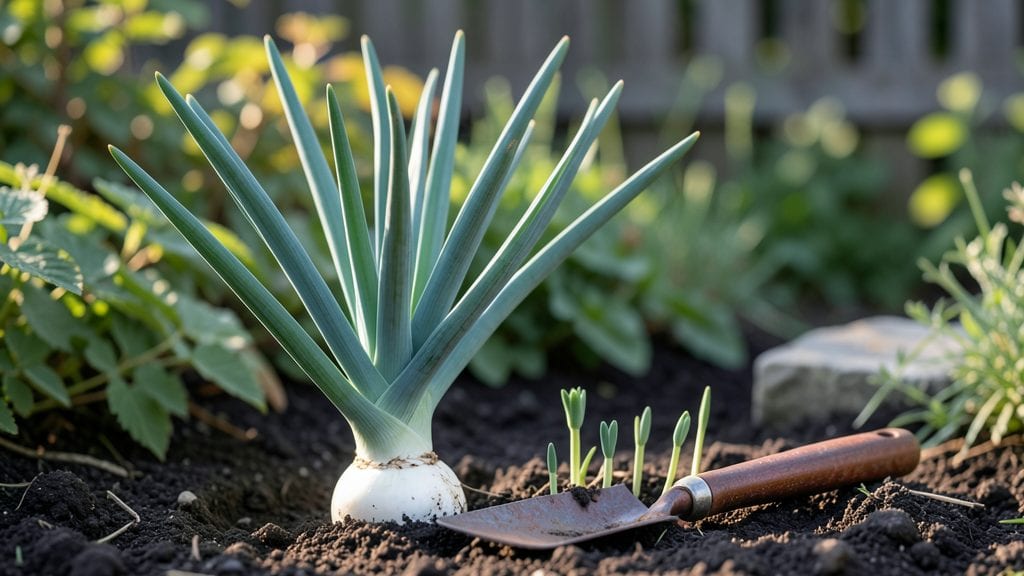
Growing thick, straight leeks 🧅 starts with the right planting distance—too close, and you’ll end up with spindly stalks; too far apart, and you’ll waste precious garden space.
If you’ve ever harvested leeks that look more like blades of grass than the tender, robust stalks you dreamed of, you’re not alone. The secret isn’t just soil or sunlight—it’s the 4- to 6-inch spacing that lets them grow strong without competing for nutrients.
Whether you’re planting in rows, containers, or raised beds, getting the spacing right means fewer thin stalks and a bigger harvest. I’ll break down the exact measurements for seedlings, transplants, and mature plants—and how to adjust for your soil type or garden layout.
By the end, you’ll know exactly how to space your leeks for bold, market-ready stalks every time, no guesswork required.
Optimal leeks planting distance by growth stage
Leeks are patient plants that reward careful spacing with thick, tender stalks. The key to success lies in adjusting distance as they grow—starting tight for seedlings and expanding for mature plants. Too close, and you’ll get thin, leggy stalks fighting for nutrients.
Too far apart, and you waste precious garden real estate. Let’s break down the perfect spacing by each growth phase to maximize your harvest.
When you first sow leek seeds, aim for 1-inch spacing in rows spaced 6-12 inches apart. This tight start helps seedlings compete with weeds while giving them room to develop strong roots.
As they grow, you’ll thin them to create the ideal mature spacing—but don’t rush this step. Proper thinning prevents overcrowding, which leads to bolting (premature flowering) and weak growth.
Here’s where most gardeners go wrong: they treat leeks like onions and space them too widely. Leeks need closer spacing than onions because their long, white stalks grow downward, not upward.
Crowding forces them to stretch upward, leaving you with skinny, pale stalks instead of the thick, flavorful ones you crave. The secret? Deep soil and tight spacing work together to encourage downward growth.
Now, let’s look at the numbers. Leeks thrive when planted at specific distances based on their growth stage. The comparison table below shows the exact spacing for each phase—from seedling to mature plant—plus why these distances matter for your harvest.
🌱 Leek Planting Distance by Growth Stage
| Growth Stage | Planting Distance (Inches) | Row Spacing (Inches) | Why It Matters |
|---|---|---|---|
| Seedlings (Direct Sow) | 1 inch | 6-12 inches | Allows easy thinning; prevents weed competition. |
| Seedlings (Transplant) | 2-3 inches | 6-12 inches | Gives roots room to establish before thinning. |
| Thinned Seedlings (2-3 inches tall) | 4 inches | 12-18 inches | Prevents overcrowding; encourages thick stalk growth. |
| Mature Plants (Harvest-Ready) | 6-8 inches | 18-24 inches | Maximizes stalk thickness; allows full white stalk development. |
| Container Growing | 3-4 inches | N/A (1 plant per 6-inch pot) | Limited space? Use deep pots and thin aggressively. |
Notice how the spacing increases as leeks mature? This progression is critical for white stalk development. Leeks grow their edible white portion underground, so deeper soil and tighter spacing encourage them to focus energy downward.
If you skip thinning, you’ll end up with skinnier stalks and more leafy tops—great for cooking, but not ideal for market-quality harvests.
For the deepest white stalks, aim to plant leeks in soil that’s at least 12 inches deep. This depth gives the stalks room to blanch naturally as they grow.
If your soil is shallower, mound soil around the base of the plant as it grows to encourage whiter, sweeter stalks. This technique is called hilling, and it’s a game-changer for leek lovers.
Don’t forget about row orientation. Plant leeks in rows running north-south to maximize sunlight exposure. This simple trick helps prevent shading, which can lead to weak growth and disease.
In cooler climates, you can even extend your growing season by planting leeks in late summer for a fall harvest. Just adjust your spacing slightly wider (6-7 inches apart) to account for the shorter growing window.
Pro tip: If you’re growing leeks in raised beds, reduce the spacing to 4 inches apart in rows spaced 12 inches apart. Raised beds warm up faster, so leeks grow quicker—and closer spacing works because the soil drains better, reducing competition.
Just monitor for pests like leek moths, which thrive in tight spaces.
Finally, remember that spacing isn’t set in stone. If you’re growing baby leeks for quick harvests, you can space them as close as 3 inches apart and harvest them young. For giant leeks like ‘King Richard,’ give them the full 8 inches apart to reach their full potential.
The right spacing turns leeks from a fussy crop into a reliable harvest—every time.
How to adjust leek spacing for different varieties and soil types
Not all leeks are created equal—and neither are their spacing needs. Giant varieties like 'King Richard' demand more elbow room than delicate baby leeks, while heavy clay soils require different adjustments than loose, sandy loam.
The key is balancing stalk thickness with yield density to avoid either stunted growth or wasted garden space. Let’s break down how to tweak your spacing for maximum success.
Your soil type plays a starring role in leek spacing decisions. Compacted or clay-heavy soils need wider spacing to prevent root competition, while well-draining loam allows closer planting without sacrificing thickness.
Even the depth of your soil matters—shallow beds may force you to thin seedlings earlier than deeper plots. Don’t guess: measure your soil’s texture and adjust accordingly.
Here’s how to fine-tune your leek spacing for different scenarios, ensuring thick, market-ready stalks every time:
For raised beds, I recommend staggering rows in a herringbone pattern to fit more plants while maintaining airflow. This works especially well for baby leeks, where you can squeeze in 2-3 rows per bed without overcrowding.
Just ensure each plant has at least 4 inches of edge space to prevent edge-effect stunting.
If your garden space is limited, consider succession planting. Sow a second batch of baby leeks 3-4 weeks after your first thinning. This lets you harvest two crops from the same footprint, though you’ll need to adjust watering to avoid competition during overlapping growth stages.
Remember: Proper spacing isn’t just about numbers—it’s about creating an environment where leeks can develop thick, white stalks without fighting for sunlight or nutrients. Pay attention to your soil, variety, and garden layout, and you’ll reap the rewards of market-quality leeks all season long. 🌱