Diseases
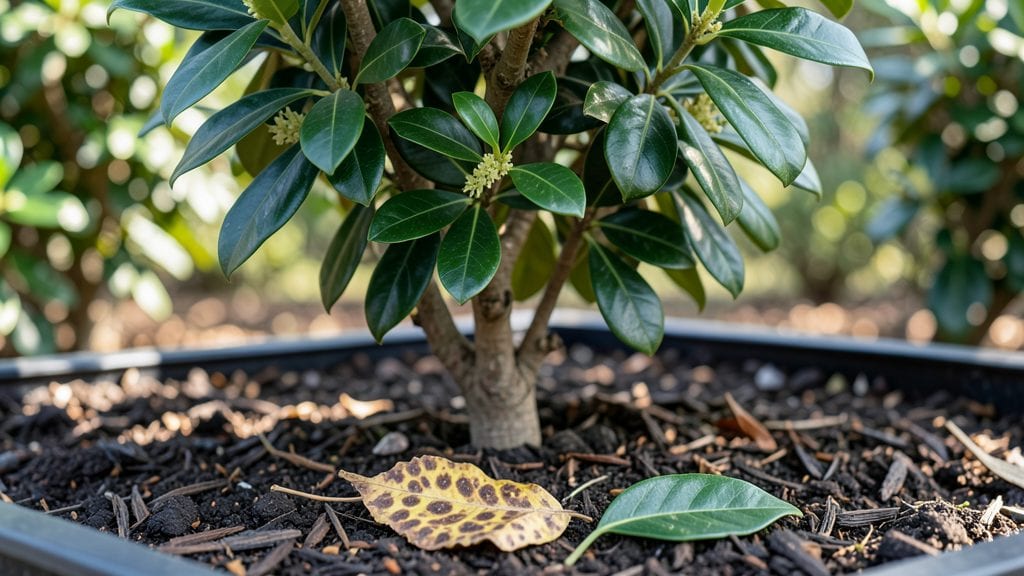
Laurel plant diseases can turn your glossy, evergreen shrubs into a sad, brown mess if you don’t catch them early. 🌿 I’ve seen bay blight and bacterial leaf spot wipe out entire plants in just weeks—until I learned to spot the warning signs before they spread.
The key is acting fast, whether you’re dealing with fungal spots, oozing cankers, or sticky pests like scale.
Most problems start with wet foliage or poor airflow—laurels hate being crowded or waterlogged. You’ll notice small brown spots first, then yellowing leaves or blackened stems. The good news? Organic sprays like neem oil or copper fungicide can stop fungal spread, while pruning out infected branches keeps the rest healthy.
I’ve saved plants this way more times than I can count.
By the time you finish treating, your laurels will look like they did in their prime—thick, vibrant, and disease-free. The secret is checking plants weekly during rainy seasons and cleaning up fallen leaves. A little prevention now means no panic later when your shrubs start looking sickly.
Works for both English and bay laurels, whether you’re growing them as hedges or potted specimens. Let’s get those plants back to their best in no time.
Root Causes Behind Laurel Troubles
Laurel plants, whether Laurus nobilis (bay laurel) or ornamental varieties, are resilient but not immune to disease. Understanding why these issues arise is the first step to prevention and treatment. Below, we break down the key factors that create the perfect storm for fungal and bacterial infections in your laurels.
Fungi thrive in humid, stagnant conditions, and laurels often fall victim when their environment becomes a fungal buffet. Here’s why:
- Poor Air Circulation: Dense foliage or tightly packed laurels trap moisture, creating a microclimate where fungal spores (like Phytophthora or Cercospora) germinate. Think of it like a sauna for pathogens—hot, steamy, and breeding ground for trouble.
- Overwatering or Waterlogged Soil: Laurels prefer well-draining soil, but soggy roots invite root rot (often caused by Pythium or Phytophthora). Rule of thumb: If your soil feels damp after 2–3 days, you’re overdoing it. 💡 Pro Tip: Amend clay soil with perlite or sand to improve drainage.
- Leaf Wetness: Fungal spores splash onto leaves during rain or overhead watering, especially on glossy laurels. Cercospora leaf spot, for example, loves this setup. ✨ Fix: Water at the base in the morning to let foliage dry by night.
Bacteria like Xanthomonas or Pseudomonas exploit open wounds or stressed plants. Here’s how laurels get compromised:
- Physical Damage: Pruning cuts, hail, or even insect bites (like from spider mites) create entry points. Bacteria slip in like thieves in the night. 🔪 Prevent: Sterilize pruners with rubbing alcohol and avoid cutting when leaves are wet.
- Environmental Stress: Heatwaves, drought, or nutrient deficiencies weaken laurels, making them susceptible to bacterial infections. Sign: Yellowing leaves + oozy stems = bacterial blight in progress.
- Contaminated Tools or Soil: Reusing dirty pruners or planting in infected soil spreads bacteria faster than a wildfire. 🌡️ Solution: Solarize soil (cover with plastic for 4–6 weeks) to kill pathogens before replanting.
A laurel starved of key nutrients is like a soldier without armor—easy pickings for diseases. Common deficiencies include:
| Nutrient | Deficiency Signs | Why It Matters |
|---|---|---|
| Nitrogen (N) | Pale yellow leaves, stunted growth | Weakens cell walls, making plants more vulnerable to fungal attacks. |
| Potassium (K) | Brown leaf edges, weak stems | Reduces disease resistance; laurels need K to fight off pathogens. |
| Magnesium (Mg) | Yellow patches between leaf veins | Chlorosis (yellowing) stresses the plant, opening doors for bacteria. |
💪 Action: Test soil pH (laurels prefer 6.0–7.5) and amend with compost or a balanced fertilizer (e.g., 10-10-10) in early spring.
Insects like scale, aphids, or mites don’t just sap nutrients—they damage plant tissue, creating perfect entry points for diseases. For example:
- Aphids excrete honeydew, which ferments into a sugary film that attracts sooty mold fungi.
- Scale insects pierce bark, letting bacteria like Erwinia invade.
- Spider mites cause stippling (tiny dots on leaves), stressing the plant and making it disease-prone.
🎯 Defend: Blast off pests with a strong stream of water or use neem oil (1 tsp per quart of water) weekly until they’re gone.
Revive Your Laurel: Step-by-Step Fixes
Now that you’ve identified the issue plaguing your laurel plant, it’s time to take action! Whether it’s fungal infections like laurel blight or bacterial woes such as leaf scorch, these solutions will help you nurse your plant back to health—without losing hope or your sanity.
Below, we’ve mapped out practical fixes for each common problem, along with prevention tips to keep your laurel thriving long-term.
Fungal diseases thrive in damp, crowded conditions, so act fast to break the cycle.
🔥 Laurel Blight (Pseudopeziza medicaginis)
Fix:
- Prune the Problem 🔪
- Cut off all infected leaves and stems (at least 6 inches below the damage) using sterilized pruners (wipe with rubbing alcohol between cuts).
- Dispose of infected debris in a sealed bag—do not compost it!
- Fungicide Treatment 💊
- Spray with a copper-based fungicide (like Bordeaux mixture or copper hydroxide) every 7–10 days for 3–4 weeks.
- Alternative: A baking soda spray (1 tsp baking soda + 1 tsp dish soap + 1 quart water) can help mild cases.
- Improve Airflow & Light 🌬️☀️
- Space plants 3–5 feet apart to reduce humidity.
- Move to a sunnier spot (but avoid scorching—morning sun is ideal).
🍄 Powdery Mildew
Fix:
- Clean Up Debris 🧹
- Remove fallen leaves and weeds around the base—fungi love hiding there!
- Neem Oil Spray 🌿
- Mix 1 tbsp neem oil + 1 tsp mild soap + 1 quart water, spray both sides of leaves, and reapply every 5–7 days.
- Water at the Base 💧
- Avoid overhead watering—fungi spread via moisture on leaves.
Bacteria spread through wounds or contaminated tools, so sterilization is key.
🔥 Bacterial Leaf Scorch
Fix:
- Remove Damaged Leaves ❌
- Snip off yellowed or browned leaves immediately to stop bacterial spread.
- Copper Fungicide/Bactericide 🛡️
- Use a copper fungicide (like Copper Soap) and spray every 10–14 days until new growth appears.
- Avoid Overwatering 🚰
- Let the top 1–2 inches of soil dry between waterings.
🍅 Bacterial Canker
Fix:
- Prune Infected Areas ⚔️
- Cut out cankers (sunken, oozing spots) with sterilized tools, then seal with pruning paint (optional but helpful).
- Disinfect Tools 🧼
- Wipe pruners with 70% isopropyl alcohol before and after each cut.
- Prevent Splashing 🌧️
- Water at the soil level—never overhead—to avoid spreading bacteria.
Sometimes, pests weaken laurels, making them susceptible to diseases. Act now!
🐜 Scale & Spider Mites
Fix:
- Blast Off Pests 💦
- Spray with soapy water (1 tsp mild soap + 1 quart water) or neem oil to suffocate them.
- Introduce Beneficial Insects 🐞
- Ladybugs or lacewings eat mites naturally—pick them up at garden centers!
- Keep Plants Hydrated 💧
- Drought stress attracts pests—water deeply 1–2 times per week (adjust for climate).
Once your laurel recovers, lock in its health with these long-term strategies:
✅ 🌿 Prune for Airflow – Thin out dense branches to reduce humidity. ✅ ☀️ Plant in Full Sun – Laurels need 6+ hours of sunlight to stay robust. ✅ 🚫 Avoid Overwatering – Drainage is critical—use pots with holes or raised beds. ✅ 🧼 Sterilize Tools – Clean pruners between plants to prevent cross-contamination. ✅ 🍂 Clean Up Fallen Leaves – Rake and remove debris to eliminate fungal hiding spots. ✅ 🌱 Choose Resistant Varieties – ‘Angustifolia’ laurels are less prone to blight than ‘Narrow Leaf’ types.
- Check plants weekly for new signs of stress.
- Rotate treatments if one stops working (fungi/bacteria can build resistance).
- Isolate new plants for 2–4 weeks before introducing them to your garden.
With these targeted fixes, your laurel can bounce back—stronger and disease-free! 🌱💪 Now go save that plant!
Frequently asked questions about laurel plant diseases
What are the most common signs my laurel plant has a fungal infection?
Look for small brown or black spots on leaves that grow larger with yellow halos, or a white powdery coating (powdery mildew). Fungal infections often appear on older leaves first and spread in damp conditions. If you see these during rainy seasons, act fast with copper fungicide.
How do I tell if my laurel has bacterial leaf spot vs. fungal leaf spot?
Bacterial spots are water-soaked and oily-looking with yellow halos, while fungal spots are dry with defined edges. Bacteria often cause oozing cankers on stems, while fungi create powdery or fuzzy growths. Test with a clean cloth—bacterial ooze will smear.
Can I still use my laurel leaves for cooking if they have minor disease spots?
Only if the spots are small and isolated—remove those leaves completely. Fungal/bacterial spores can contaminate your food. For bay laurels, discard any leaves with more than 10% discoloration or visible mold. When in doubt, toss them—your health isn't worth the risk.
Why does my laurel keep getting diseases even after treatment?
This usually means poor airflow or contaminated tools/soil. Prune to thin foliage, space plants 3-5 feet apart, and sterilize tools between cuts. Fungi/bacteria build resistance—rotate treatments (e.g., copper fungicide one week, neem oil the next).
Are there disease-resistant laurel varieties I should consider?
Yes! 'Angustifolia' and 'Saravah' varieties show better resistance to blight. For bay laurels, 'Sweet Bay' handles humidity better than standard types. Always check local nursery recommendations for your climate zone.