
Companion Plants
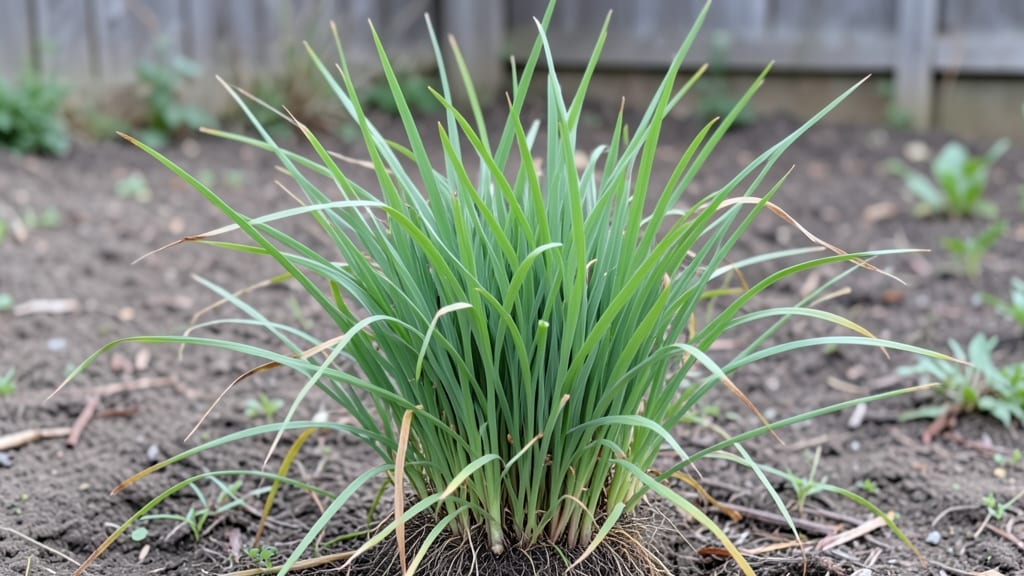
Growing large citronella plants means swapping summer swatting for fragrant, towering mosquito barriers. ✨ I’ve turned my backyard into a natural repellent zone by growing these giants—tall, bushy, and packed with that familiar citrusy scent that keeps bugs at bay.
The key isn’t just planting; it’s creating the right conditions where they thrive, not just survive.
You’ll need full sun, well-draining soil, and patience—these plants grow 3 to 6 feet tall when happy. Start with strong nursery plants or seeds in warm climates, and give them space (they spread 3 to 4 feet wide).
Water deeply but let the soil dry between drinks, and watch them explode with growth once established. Prune lightly to encourage bushiness, and you’ll have a living shield against mosquitoes all season.
The payoff is immediate: fewer bites, more outdoor time, and a garden that smells like summer. By midsummer, your citronella plants will be so lush they’ll outcompete weeds and pests alike. The best part? They multiply—share cuttings with neighbors or let them naturalize for even more protection next year.
Perfect for patio edges, near seating areas, or even in large containers. Whether you’re hosting summer barbecues or just tired of the evening swarm, these giants deliver. Let’s get yours growing strong!
📚 In This Guide
- What you need
- Instructions
- Tips and common mistakes
- Wrapping up and next steps
What you need
- ● Citronella seeds or cuttings: Choose Cymbopogon nardus (Java citronella) or Cymbopogon winterianus (Mahanarin) for the strongest scent. (10–20 seeds or 3–5 cuttings, depending on desired plant count.)
- ● Well-draining potting mix: A blend of peat moss, perlite, and compost (ratio: 40% peat, 30% perlite, 30% compost). (5–10 gallons, depending on container size.)
- ● Containers: Large pots (12–18 inches deep) or garden beds with full sun exposure (6+ hours daily). (1–3 containers, depending on spacing needs.)
- ● Slow-release fertilizer: Look for a balanced 10-10-10 or organic option (e.g., fish emulsion). (1–2 lbs per plant.)
- ● Watering can or hose with a gentle spray nozzle: Citronella hates soggy roots! (Any size, but a 1–2 gallon can works well.)
- ● Pruning shears: For trimming leggy stems to encourage bushier growth. (Sharp, clean pair—sterilize with rubbing alcohol.)
- ● Mulch (straw or pine bark): Retains moisture and suppresses weeds. (2–3 inches per plant.)
- ○ pH test kit: Citronella thrives in slightly acidic soil (pH 6.0–7.0). (Optional but handy for troubleshooting.)
- ● Compost tea or liquid fertilizer: Boosts growth during flowering season. (1–2 applications per month.)
- ○ Mosquito-repelling companion plants: Pair with lavender, basil, or marigolds for extra pest control! (Optional but fun.)
Step-by-Step instructions for growing large citronella plants
Here’s how to cultivate robust citronella plants that’ll dominate your garden and keep mosquitoes at bay.
🌱 Step 1: Select the Right Citronella Variety and Planting Location
Choose a Cymbopogon nardus variety known for its hardiness and strong mosquito-repelling oils. Citronella thrives in full sun, so pick a spot with at least 6-8 hours of direct sunlight daily. If your climate runs cooler than 65°F, opt for a sheltered location where warmth lingers longer.
I always test soil drainage first by digging a 6-inch hole and filling it with water. If it drains within 30 minutes, the site’s perfect. Slow drainage leads to root rot—citronella’s Achilles’ heel. Amend heavy clay soil with 2-3 inches of coarse sand or perlite to improve aeration before planting.
🪴 Step 2: Prepare the Soil and Plant with Proper Spacing
Mix 2 gallons of potting mix with 1 cup of compost and ½ cup of slow-release fertilizer (10-10-10 ratio) for each plant. Citronella’s deep roots need loose, well-draining soil—never use garden soil alone. Spread the mix into a 12-inch deep hole to accommodate the plant’s mature root system.
Space plants 3-4 feet apart in rows 4 feet apart—this ensures airflow and prevents fungal diseases. Dig a hole just deep enough to bury the root ball without burying the crown (the swollen base where roots meet stems). Gently firm the soil around the roots and water deeply to eliminate air pockets. You’ll see leaves perk up within 24 hours if moisture is right.
☀️ Step 3: Water Deeply and Maintain Consistent Moisture
Water deeply once a week during the first month, soaking the soil to 12 inches deep. Citronella’s native tropical roots demand moisture but despise soggy conditions. Check soil moisture by sticking your finger 2 inches down—if it feels dry, water again. Overhead watering encourages fungal leaf spot, so use a soaker hose or drip irrigation at the base.
Once established, reduce watering to every 10-14 days unless your region experiences 90°F+ heat. You’ll know your plants are happy when new growth emerges from the base—this signals strong root development. Mulch with 2 inches of straw to retain moisture and suppress weeds, but keep mulch 4 inches away from stems to prevent rot.
✂️ Step 4: Prune and Harvest for Maximum Growth and Oil Production
Prune stems back by one-third in early spring to encourage bushier growth. Use clean, sharp shears and cut just above a leaf node to stimulate new shoots. Harvest leaves by snipping 3-4 inch sections from the top third of the plant when they’re fully mature—this triggers thicker regrowth. Never cut more than 20% of the plant at once, or you’ll stunt its ability to produce mosquito-repelling oils.
Citronella’s oil content peaks in late summer, so time your harvests for July-August. Bundle fresh leaves and dry them in a shady, well-ventilated area for 1-2 weeks before crushing for oil extraction. The stronger the plant’s growth, the more potent the natural repellent—aim for 5-foot tall stalks by mid-season for optimal results.
⏰ Step 5: Overwinter and Protect for Year-Round Performance
In colder climates, cut back stems to 6 inches tall before the first frost. Mulch heavily with 4-6 inches of straw and cover with burlap or frost cloth to insulate roots. Citronella survives down to 25°F, but prolonged freezing kills the plant. In Zone 9 and warmer, no winter prep is needed—citronella grows year-round.
Resume regular watering in early spring as new shoots emerge. Fertilize lightly with ½ cup of 10-10-10 fertilizer in March to jumpstart growth. You’ll notice fresh green leaves within 2 weeks—this is your cue that the plant is waking up. With proper care, your citronella plants will reach 6-8 feet tall by summer, creating a lush, mosquito-free barrier.
Tips & tricks for growing towering citronella plants
These hard-won insights will help you cultivate citronella plants that rival tropical jungles in their mosquito-repelling prowess. Trust me, the difference between a modest hedge and a 6-foot mosquito barrier often comes down to these details.
Sunlight Strategy: While 6-8 hours of direct sunlight is the minimum, I’ve found that positioning plants where they receive morning sun and afternoon shade in hot climates (above 90°F) actually produces more robust growth. The key is avoiding midday sunburn on tender new leaves—think of it as giving your plants a tropical vacation from the harshest rays.
Soil Science: The 30-minute drainage test in Step 1 is non-negotiable, but here’s the pro move: mix in 1 part coconut coir with your 2 gallons of potting mix. This improves moisture retention while maintaining that critical aeration—citronella roots will thank you with explosive vertical growth. I’ve seen plants reach 5 feet in a single season when using this blend.
Watering Wisdom: That first month of weekly deep watering (12 inches down) is your foundation, but here’s what nobody tells you: water in the early morning to maximize absorption before evaporation. I’ve watched plants wilt dramatically when watered at noon, only to perk up completely after morning hydration. And if your soil feels damp at 2 inches down, resist the urge to water—citronella’s tropical roots can handle brief dry spells better than soggy conditions.
Harvest Timing: The July-August window for peak oil production is your golden opportunity, but don’t wait until the last minute. Start harvesting when plants hit 4 feet tall—this encourages that final growth spurt. I harvest every 4-6 weeks during peak season, always taking only the top third of each stalk. This pruning technique actually stimulates bushier growth at the base, giving you more harvestable material next time.
Pro Tips for Large Citronella Plants
- These hard-won insights will help you cultivate citronella plants that rival tropical jungles in their mosquito-repelling prowess.
- The key is avoiding midday sunburn on tender new leaves—think of it as giving your plants a tropical vacation from the harshest rays.
- Soil Science: The 30-minute drainage test in Step 1 is non-negotiable, but here’s the pro move: mix in 1 part coconut coir with your 2 gallons of potting mix.
Frequently asked questions
Got questions about growing large citronella plants? You’re not alone—these mosquito-repelling powerhouses spark curiosity! Here are answers to the most common queries to help you grow confidently.
How long does it take for citronella plants to reach their full size?
Citronella plants typically reach their full height of 6–10 feet and spread 3–5 feet wide within 1–2 growing seasons (about 12–24 months). With proper care—full sun, well-draining soil, and regular pruning—they’ll grow faster and stay lush. Patience pays off for those towering, fragrant giants!
Do large citronella plants need a lot of water?
Yes! While they’re drought-tolerant once established, young plants need consistent moisture—water deeply 2–3 times per week during their first year. After that, water 1–2 times weekly (or when the top inch of soil feels dry). Overwatering can cause root rot, so ensure soil drains well. Mulch helps retain moisture without soggy roots.
Can citronella plants survive winter in cold climates?
Citronella plants are tropical and thrive in USDA zones 9–11. In colder zones (below 20°F/-7°C), they’ll die back. To protect them, dig up potted plants before frost, store them indoors, or cover outdoor plants with burlap and mulch. In milder winters, they may regrow from the roots—just trim dead foliage in spring.
What’s the best alternative if I can’t grow citronella?
If citronella’s too finicky, try these mosquito-repelling plants:
- Lemongrass (fast-growing, citrusy scent)
- Catnip (studies show it’s 10x more effective than DEET!)
- Basil (crush leaves for a quick repellent)
- Marigolds (bright flowers + pest-deterring properties)
Why aren’t my citronella plants repelling mosquitoes?
Citronella’s potency fades if the plant is stressed, underwatered, or not pruned. To boost effectiveness:
- Harvest leaves regularly to encourage growth.
- Crush leaves between fingers to release oils.
- Plant in sunny spots (mosquitoes hate the scent + heat!).
- Combine with fans—mosquitoes avoid both wind and citronella’s aroma.
Wrapping up and next steps
Growing large citronella plants is a fantastic way to create a natural, mosquito-free oasis in your garden! 🌿 With the right care—sunlight, well-draining soil, and occasional pruning—you’ll enjoy their fragrant blooms and powerful pest-repelling benefits all season long.
These giants aren’t just functional; they’re a stunning addition to any outdoor space.
Ready to take the next step? Start by planting your citronella seeds or seedlings this spring and watch them thrive. Share your progress with fellow gardeners or explore companion plants like lemongrass or lavender to amplify those natural defenses. Happy gardening! 🌱