
Planting
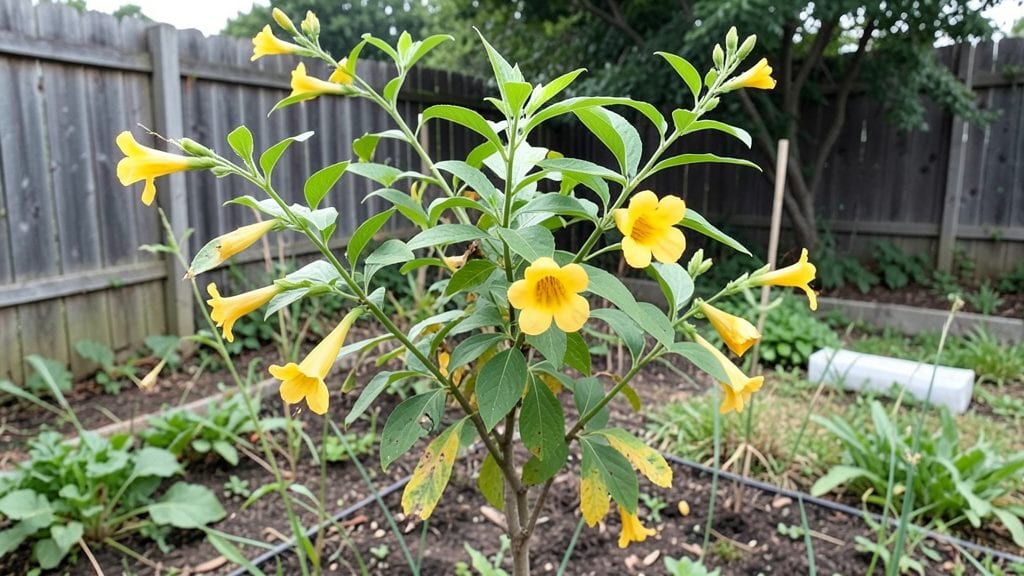
The lantern tree plant (Abutilon spp.) transforms any space with its vibrant, lantern-like blooms and lush foliage that thrives year-round. 🌿 I first fell for this plant after seeing how it turned a dull corner of my patio into a sunlit oasis—its deep green leaves and fiery flowers create instant privacy without sacrificing style.
The best part? It’s equally at home in containers or planted directly in the ground, making it perfect for small yards, balconies, or even indoor spots near sunny windows.
Growing lantern trees is simpler than you’d think, especially if you mimic their natural habitat. They love bright, indirect light (think morning sun and afternoon shade) and well-draining soil that’s slightly acidic—just like the forest floors they originally thrived in.
Water when the top inch of soil feels dry, and you’ll avoid the common pitfall of overwatering, which can lead to root rot.
With the right care, these plants can grow 6 to 10 feet tall, depending on the variety, and their glossy leaves add a tropical touch that’s hard to resist.
What you’ll love most is how low-maintenance they are once established. A little pruning after flowering keeps them bushy and encourages more blooms, and they’re surprisingly tough against pests—just watch for spider mites in dry conditions.
Whether you’re growing one as a statement plant or lining a fence with several, the lantern tree delivers bold color and texture that brightens any season. Ready to add some glow to your garden?
Here’s the kicker: they’re just as happy indoors as out, so you can enjoy their beauty even if your climate gets chilly. Start with a healthy plant, give it the right light, and let it do the rest—you’ll have a privacy screen that’s as functional as it is stunning.
Let’s get those roots growing!
📚 In This Guide
- What you need
- Instructions
- Tips and common mistakes
- Wrapping up and next steps
What you need
- ● Lantern tree plant: 1 sapling (3–5 feet tall, nursery-grown) or
- ● Seeds (if starting from scratch—requires 6–12 months for germination)
- ● Planting site: Full sun to partial shade (6+ hours of sunlight daily)
- ● Well-draining soil (amend with compost if clay-heavy)
- ● Space: 15–20 feet wide and 20–30 feet tall (mature size)
- ● Tools: Shovel or trowel (for digging)
- ● Garden gloves (to protect your hands)
- ● Watering can or hose (with gentle spray nozzle)
- ● Mulch (2–3 inches of organic mulch like pine bark or wood chips)
- ● Soil test kit (to check pH/nutrient levels—ideal pH: 6.0–7.0)
- ● Slow-release fertilizer (balanced 10-10-10 or organic options)
- ● Staking system (for young saplings in windy areas)
- ● Pruning shears (for shaping as it grows)
- ● Drip irrigation system (for consistent moisture)
Step-by-Step instructions for planting a lantern tree as a privacy screen
Here's how to plant these striking trees for a bold, evergreen privacy screen that glows year-round.
🌱 Step 1: Choose the Perfect Planting Location
Lantern trees thrive in full sun to partial shade, so scout your yard for a spot with at least 6 hours of direct sunlight daily. I always check the morning sun path—east-facing locations work best because they avoid harsh afternoon heat. The soil should drain well, as these trees hate soggy roots.
Measure your space: for a 10-foot-tall screen, plant trees 8-10 feet apart. Dig a hole twice as wide as the root ball but only as deep—planting too deep suffocates the roots. Mark the spot with a stake to avoid disturbing the area later.
🪴 Step 2: Prepare the Soil and Plant the Tree
Loosen the native soil in the hole with your hands or a trowel, breaking up any hard clumps. Lantern trees adapt to most soil types, but I always mix in a handful of compost to boost nutrients. The hole should be large enough to spread roots without bending them.
Gently remove the tree from its container and place it in the hole so the top of the root ball sits 1-2 inches above ground level. This prevents water from pooling around the trunk. Fill the hole with soil, pressing lightly to eliminate air pockets, and water deeply to settle everything.
☀️ Step 3: Mulch and Water for Establishment
Spread a 2-3 inch layer of mulch around the base, keeping it 6 inches away from the trunk to prevent rot. I use shredded bark mulch because it breaks down slowly and retains moisture. Water the tree immediately after planting—1-2 gallons should soak the root zone thoroughly.
Lantern trees need consistent moisture for the first 2-3 months, so check the soil weekly. Stick your finger 2 inches deep—if it feels dry, water again. Avoid overhead sprinkling, which can damage the distinctive foliage. A soaker hose works best for deep, even hydration.
✂️ Step 4: Prune for Shape and Encourage Growth
Wait until spring to prune, when new growth is just beginning. Remove any dead or crossing branches with clean cuts just above a leaf node. I always shape the tree slightly wider at the base to encourage a fuller screen. Prune no more than 25% of the foliage at once—these trees bounce back slowly from heavy cuts.
Fertilize lightly in early spring with a balanced, slow-release fertilizer (10-10-10). Spread it evenly over the root zone and water it in. Avoid high-nitrogen fertilizers—they promote leafy growth at the expense of the tree's signature lantern-shaped foliage. Watch for new growth in 4-6 weeks as your signal everything's working.
🌿 Step 5: Maintain Through the Seasons
Lantern trees are drought-tolerant once established, but I water deeply once a week during dry spells in the first year. In winter, a 2-3 inch layer of mulch protects roots from freezing temperatures. These trees handle cold well but may lose some foliage in harsh winters—it always returns in spring.
Watch for pests like spider mites, which love dry conditions. Spray the foliage with water if you see webbing—this usually clears them up. With proper care, your lantern tree screen will mature to 10-15 feet tall in 5-7 years, creating a stunning, evergreen privacy barrier that glows in every season.
Tips & tricks for planting a lantern tree screen
These simple strategies will help your lantern trees thrive and create that stunning privacy screen you're dreaming of.
Location is Everything: I can't stress enough how important that 6 hours of sunlight is for these trees. If you're planting near a fence or building, check the sun path throughout the day—morning sun is gentler and helps prevent leaf scorch. Also, avoid low spots where water pools after rain, as soggy roots are the #1 killer of young lantern trees.
Root Ball Placement Matters: When positioning your tree in Step 2, don't just eyeball it—use a level to ensure the root ball sits perfectly straight. That 1-2 inch elevation above ground level is crucial for preventing water from pooling around the trunk. I've seen too many trees develop rot because they were planted too deep or unevenly.
Watering Wisdom: The first 2-3 months are critical for establishing roots, so don't skip that weekly soil check. I like to water in the morning so the foliage has all day to dry—this prevents fungal issues. And remember, 1-2 gallons should soak down at least 12 inches, not just the surface. A soaker hose makes this easy and prevents waste.
Pruning Pro Tip: When shaping your tree in Step 4, focus on creating an open center that lets light penetrate. This encourages fuller growth throughout the tree. I always make my cuts just above a leaf node—this is where new growth will emerge. And here's a secret: if you see a branch growing straight up, it's often better to leave it than prune it, as these vertical branches add height to your screen.
Pro Tips for Lantern Tree Plant
- These simple strategies will help your lantern trees thrive and create that stunning privacy screen you're dreaming of.
- Location is Everything: I can't stress enough how important that 6 hours of sunlight is for these trees.
- Root Ball Placement Matters: When positioning your tree in Step 2, don't just eyeball it—use a level to ensure the root ball sits perfectly straight.
Frequently asked questions
Got questions about growing your own lantern tree plant? You’re not alone! Here are some of the most common queries—and their answers—to help you get started with confidence.
When is the best time to plant a lantern tree?
The ideal time to plant your lantern tree is in early spring (after the last frost) or fall (4-6 weeks before the first frost). This gives the roots time to establish before extreme temperatures hit. If you’re in a mild climate, late winter or early spring works too! Just avoid planting in summer heat or winter freezes.
How often should I water my lantern tree?
Water your lantern tree deeply 1-2 times per week during the first year to encourage strong root growth. Once established, it’s drought-tolerant but thrives with 1 inch of water per week. Check the soil—if the top 2 inches are dry, it’s time to water! Mulch around the base to retain moisture and reduce evaporation.
Does a lantern tree need full sun, or can it grow in partial shade?
Lantern trees love full sun (6+ hours daily) for the most vibrant foliage and blooms, but they can tolerate partial shade (4-6 hours of sun). In shadier spots, expect slower growth and less dramatic color. If planting in shade, choose a location with morning sun to maximize energy for growth.
What are some alternatives if I can’t grow a lantern tree?
If your climate or space isn’t ideal for a lantern tree, consider these stunning alternatives for year-round privacy and color:
- Holly (Ilex): Evergreen with glossy leaves and berries.
- Camellia: Lush foliage and winter blooms.
- Boxwood (Buxus): Dense, low-maintenance hedging.
- Oakleaf Hydrangea: Vibrant fall color and large leaves.
- Dwarf Fountain Grass: Adds texture and movement.
Why aren’t my lantern tree leaves turning red/orange like I expected?
If your lantern tree’s leaves aren’t glowing as expected, check these common issues:
- Insufficient sunlight: Move it to a sunnier spot for deeper colors.
- Over-fertilizing: Too much nitrogen = lush green leaves, not fall hues. Use a low-nitrogen, high-phosphorus fertilizer in late summer.
- Stress or pests: Yellowing or spotted leaves? Inspect for aphids or mites and treat with neem oil.
- Young plants: Mature trees (3+ years) show the best color—be patient!
Wrapping up and next steps
The lantern tree plant is a stunning, low-maintenance addition to any garden, offering year-round privacy and vibrant foliage that glows like a natural lantern. 🌿 Whether you're drawn to its striking leaves or its ability to thrive in various climates, this plant delivers beauty with minimal effort.
Ready to transform your outdoor space? Start by choosing the perfect spot, gathering your supplies, and planting with confidence! Your future privacy screen—and a touch of nature’s magic—awaits.