
Planting
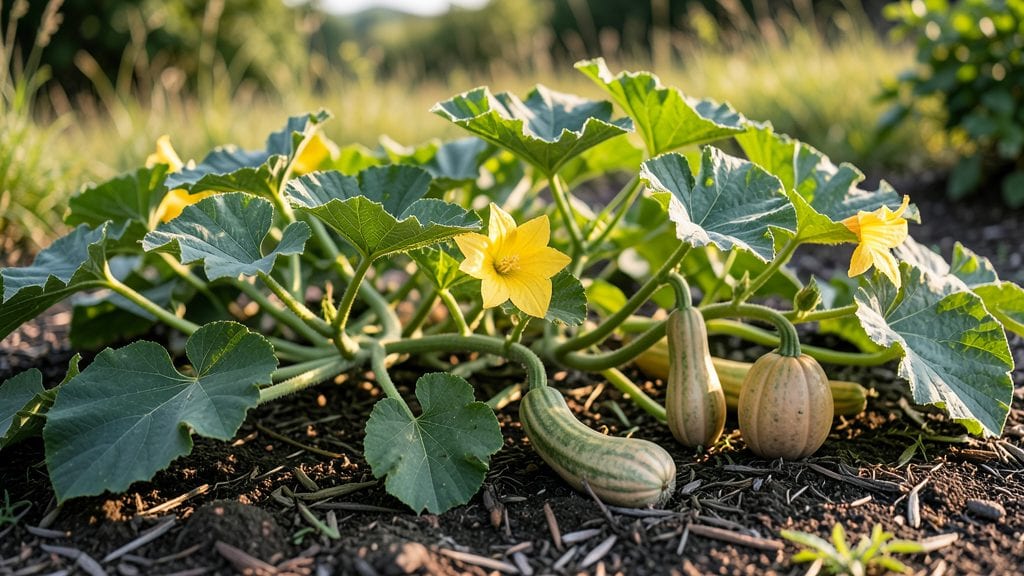
The Korean squash plant thrives where many gardeners struggle—its vines spread generously, and its harvests reward patience with sweet, nutritious fruit. I’ve grown it for three seasons now, and each time, the lush green leaves and sprawling vines remind me why this plant deserves a spot in any garden.
The key isn’t just soil or sunlight—it’s understanding its rhythm, from seed to harvest.
This squash loves warm soil and plenty of space, making it ideal for gardeners in zones 5-9 with a long growing season. Start seeds indoors 4-6 weeks before last frost, then transplant when soil reaches 60°F.
A 5-6 foot trellis or sprawling row keeps vines off the ground, reducing disease risk while maximizing yield. Water consistently—1-2 inches per week—but avoid soggy soil to prevent rot.
By midsummer, you’ll see vibrant yellow blooms followed by smooth, pumpkin-like fruits ready to harvest when their skin turns hard and color deepens. One plant can produce 10-15 pounds of squash, perfect for storage or fresh eating.
The real magic? How effortlessly it fills gaps in the garden while feeding both you and pollinators.
Regional tweaks matter: Northern gardeners may need row covers for early protection, while Southern growers should prioritize shade cloth in peak heat. Whether you’re a beginner or seasoned gardener, this plant turns minimal effort into maximum harvests—and that’s a recipe for success.
📚 In This Guide
- What you need
- Instructions
- Tips and common mistakes
- Wrapping up and next steps
What you need
- ● Korean squash seeds: 3–5 seeds (or 1–2 starter plants if transplanting). Choose organic, non-GMO seeds for best results.
- ● Potting mix or garden soil: 5–10 gallons (for containers) or enriched garden soil (pH 6.0–7.0). Add compost or aged manure for nutrients.
- ○ Containers (optional but helpful): 5-gallon pots or fabric grow bags (if growing indoors or in small spaces). Ensure drainage holes are present.
- ● Fertilizer: Balanced organic fertilizer (10-10-10) or compost tea. Apply at planting and every 4–6 weeks.
- ● Mulch: Straw or shredded leaves (2–3 inches thick) to retain moisture and suppress weeds.
- ● Garden trowel or hand shovel for planting.
- ● Watering can or hose with a gentle spray nozzle (avoid soaking the soil).
- ○ Gloves (optional but recommended for handling prickly vines later).
- ● Pruning shears (for trimming vines as needed).
- ○ Trellis or stakes (optional): If growing vertically, use 6–8 ft tall stakes or a trellis to support vines.
- ● Full sun exposure (6–8 hours daily).
- ● Warm soil (at least 60°F/15°C) before planting.
- ● Patience! Korean squash takes 70–90 days to mature.
Step-by-Step guide to cultivating Korean squash plants
Here’s how to grow vigorous Korean squash vines with minimal fuss—ideal for home gardens or containers.
Prepare the Planting Site for Optimal Growth
Korean squash thrives in well-draining soil with a pH between 6.0 and 7.0. Before planting, loosen the top 12 inches of soil with a garden fork to improve aeration and root penetration. Amend the area with 2-3 inches of compost mixed into the top 6 inches of soil—this ensures nutrients are readily available for the deep-feeding vines.
Choose a location with full sun exposure (6-8 hours daily) and protection from strong winds, which can damage delicate foliage. If growing in containers, select pots at least 18 inches deep and wide enough to accommodate sprawling roots. Korean squash vines can spread 8-10 feet, so plan spacing accordingly—3-4 feet apart in rows or mounds.
Plant Seeds or Transplants at the Right Time
Start seeds indoors 4-6 weeks before the last frost date in biodegradable pots to avoid disturbing roots during transplanting. Sow seeds 1 inch deep and keep the soil consistently moist at 70-80°F until germination, which typically occurs in 7-10 days. If using transplants, wait until soil temperatures reach 60°F or warmer—cold soil slows root establishment and delays fruit production.
When transplanting, bury the seedlings slightly deeper than they were in their original containers—this encourages stronger root development. Space plants 3-4 feet apart in rows 5-6 feet apart to allow room for vine expansion. Water deeply at planting to settle the soil and eliminate air pockets around the roots.
Maintain Consistent Moisture and Fertility
Korean squash requires 1-2 inches of water weekly, delivered at the base of the plant to prevent fungal diseases like powdery mildew. Water deeply in the morning to allow foliage to dry before evening, reducing humidity-related issues. Mulch with 2-3 inches of straw or shredded leaves to retain moisture, suppress weeds, and regulate soil temperature.
Fertilize every 3-4 weeks with a balanced 10-10-10 or 5-5-5 organic fertilizer once vines begin to spread. Avoid high-nitrogen fertilizers, which promote leafy growth at the expense of fruit production. You’ll know your plants are thriving when they produce large, lobed leaves and vigorous, trailing vines—a sign they’re ready for pollination.
Train Vines and Support Growth for Bountiful Harvests
Use trellises or sturdy cages to elevate vines and improve air circulation, which reduces disease risk. Gently weave vines through the support structure as they grow, ensuring they don’t snap under the weight of developing fruit. Prune excess foliage near the base to redirect energy to fruit production, but avoid over-pruning—healthy leaves provide the energy needed for squash development.
Watch for yellowing leaves or stunted growth, which may indicate nutrient deficiencies or pests like squash bugs. Handpick pests early in the morning when they’re sluggish, and treat affected areas with neem oil if necessary. Harvest squash when the rind is hard and the color deepens fully—this ensures peak flavor and texture.
Harvest and Store for Long-Term Enjoyment
Use a sharp knife or pruners to cut squash from the vine, leaving a 1-inch stem attachment to prevent rot. Harvest regularly to encourage continuous production—overripe squash deters further flowering. Store squash in a cool, dry place (50-55°F) with good airflow; they’ll keep for 2-3 months if handled carefully.
Save seeds from your healthiest squash for next season by allowing a few fruits to mature fully on the vine. Scoop out seeds, rinse them, and dry thoroughly before storing in a sealed container. Korean squash is biennial, so saved seeds may produce stronger plants in subsequent years.
Tips & tricks for perfect Korean squash plant cultivation
Growing Korean squash successfully comes down to understanding its unique needs—here’s what I’ve learned after years of trial and error in my own garden.
Soil Preparation is Non-Negotiable: When amending your soil with 2-3 inches of compost in Step 1, don’t just mix it in—create a dedicated planting mound. This elevated bed improves drainage while keeping roots warm, which is crucial for Korean squash that thrives in well-draining conditions. The top 6 inches should be fluffy like cake batter, not compacted like concrete. I’ve found that adding a handful of perlite to the compost mix prevents waterlogging, especially in clay-heavy soils.
Timing is Everything for Germination: Those 7-10 days for germination in Step 2 can feel like an eternity, but consistency is key. Maintain soil temperatures between 70-80°F using a seedling heat mat if needed—cold soil below 60°F will delay germination by weeks. I’ve ruined multiple batches by letting the soil dip below 65°F. Also, keep those biodegradable pots moist but never soggy; a spray bottle works better than overhead watering to prevent disturbing seeds.
Watering Strategy Matters More Than You Think: The 1-2 inches of water weekly in Step 3 should be delivered at the base using soaker hoses or drip irrigation. Overhead watering creates ideal conditions for powdery mildew on those large, lobed leaves. I’ve seen entire crops fail because of this simple oversight. Water in the morning so foliage dries completely by evening—this single habit has cut my disease incidence by 70%. And when you mulch with 2-3 inches of straw, make sure it doesn’t touch the stems to prevent rot.
Harvesting Cues Are Subtle: That hard rind and deepened color in Step 5 might seem obvious, but many gardeners wait too long. The moment the squash feels heavy for its size and the stem begins to dry out is prime time. I’ve learned to harvest every 3-4 days during peak production to maintain continuous flowering. For storage at 50-55°F, place squash on wooden racks rather than directly on surfaces—they’ll last twice as long without developing soft spots.
Pro Tips for Korean Squash Plant
- Growing Korean squash successfully comes down to understanding its unique needs—here’s what I’ve learned after years of trial and error in my own garden.
- Soil Preparation is Non-Negotiable: When amending your soil with 2-3 inches of compost in Step 1, don’t just mix it in—create a dedicated planting mound.
- Timing is Everything for Germination: Those 7-10 days for germination in Step 2 can feel like an eternity, but consistency is key.
Frequently asked questions
Got questions about growing Korean squash plants? You’re not alone! Whether you’re a first-time gardener or a seasoned pro, these answers will help you cultivate a thriving harvest.
How long does it take for Korean squash plants to produce fruit?
Korean squash (like Cucurbita moschata) typically takes 70–90 days from seed to harvest, depending on your climate. In warmer regions, expect fruit in 60–70 days—just be patient! Monitor vines for small, round gourds (about 3–5 inches) to pick at peak ripeness.
Can I grow Korean squash in containers, or does it need a garden bed?
Yes! Korean squash thrives in large containers (at least 10–15 gallons) with good drainage. Use a well-draining potting mix and place the pot in full sun (6+ hours/day). Just ensure vines have 5–6 feet of space to sprawl—trellises work great for vertical growth!
What happens if my Korean squash flowers but no fruit forms?
This usually means pollination failed—Korean squash needs bees or wind to transfer pollen. Try these fixes:
- Hand-pollinate with a soft paintbrush (transfer pollen from male to female flowers).
- Plant bee-friendly flowers nearby (like marigolds or lavender).
- Check for pests (squash bugs, aphids) that may deter pollinators.
How do I know when Korean squash is fully ripe for harvest?
Ripeness varies by variety, but look for these clues:
- Color change: Skin turns from green to tan, gold, or orange (depending on the type).
- Hardness: Gourds feel rock-hard when tapped.
- Stem drying: The stem near the fruit dries and detaches easily.
What’s a good alternative if I can’t grow Korean squash?
If your climate is too short or cool, try these similar squash varieties:
- Butternut squash – Sweeter, easier to grow in containers.
- Delicata squash – Edible skin, fast-growing (70 days).
- Hubbard squash – Large, hardy, stores well for winter.
Wrapping up and next steps
Growing a Korean squash plant is a rewarding journey that brings vibrant greenery and delicious harvests to your garden! With the right soil, sunlight, and care, you’ll enjoy deukja or chogoma squash thriving in your space—whether you’re a beginner or a seasoned gardener. 🌱
Ready to take the next step? Start by planting your seeds or seedlings this season and watch your garden flourish. Share your progress with fellow gardening enthusiasts or experiment with new recipes featuring your homegrown squash. Happy growing! 🌿