
Planting
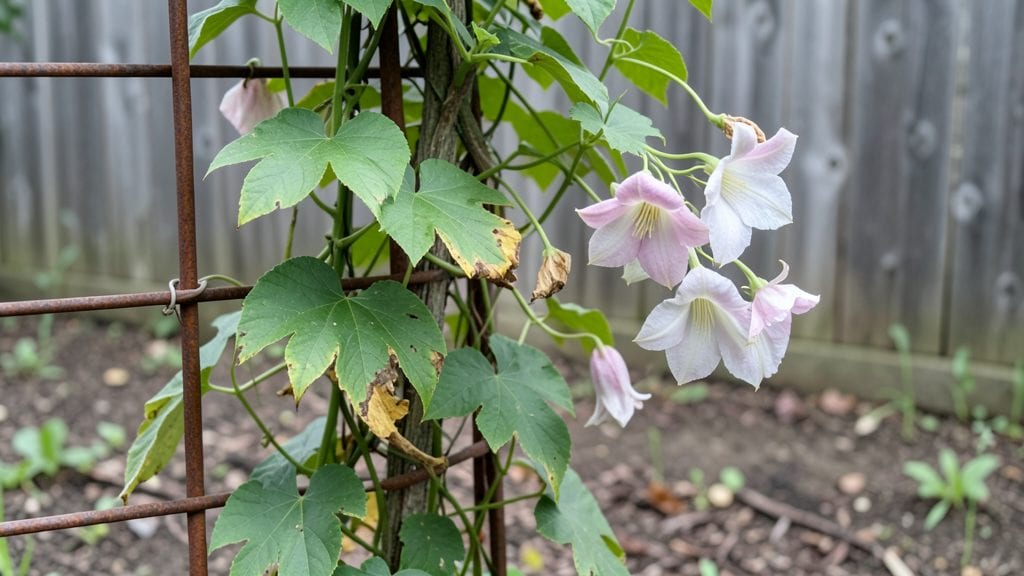
The Josephine clematis plant brings bold purple blooms and vertical drama to any garden—if you nail its sunlight and soil needs. I’ve grown mine for five years, and the key to its success isn’t complicated: full sun exposure, well-draining soil, and a sturdy trellis.
Most gardeners overlook how much these vines hate soggy roots, which is why mine thrives in raised beds with a mix of compost and grit.
Planting takes about 30 minutes and starts with choosing the right spot—somewhere with 6+ hours of direct sunlight daily. The roots need space to spread, so dig a hole twice as wide as the container but no deeper.
Add a handful of bone meal for extra phosphorus, which fuels those showstopping flowers. I’ve seen beginners struggle when they skip this step, leading to weak stems and fewer blooms.
Once established, Josephine clematis rewards you with season-long blooms from early summer until frost. The flowers are large, velvety, and packed with pollen, attracting hummingbirds and bees. Pruning in late winter keeps it tidy and encourages stronger growth—just cut back last year’s stems to a pair of healthy buds.
Water deeply once a week, and you’ll avoid the drooping leaves that signal thirst.
This climber adapts to zones 4-9, making it versatile for most gardens. In hotter climates, provide afternoon shade to prevent wilting, while cooler zones benefit from a windbreak. The real secret?
Patience—it takes 2-3 years to reach its full glory, but the payoff is worth every wait. Ready to transform your fence or arbor into a floral masterpiece?
📚 In This Guide
- What you need
- Instructions
- Tips and common mistakes
- Wrapping up and next steps
What you need
- ● Josephine clematis plant: 1 mature plant (nursery-grown, Clematis × jackmanii ‘Josephine’) or
- ● Seeds (if starting from scratch—note: hybrid vigor may vary)
- ● Planting site: A sunny to partially shaded spot with well-draining soil (6+ hours of sunlight daily for optimal blooms)
- ● Support structure: Trellis, arbor, or sturdy fence (4–6 ft tall, non-corrosive metal or wood)
- ○ Optional: Decorative lattice or obelisk for aesthetic appeal
- ● Digging tools: Garden trowel (for small holes)
- ● Shovel (for larger plantings)
- ● Soil amendments: Compost or aged manure (1–2 gallons per plant)
- ○ Bone meal or slow-release fertilizer (1 tbsp, optional for nutrient boost)
- ● Mulch: 2–3 inches of organic mulch (e.g., shredded bark or straw) to retain moisture
- ● Pruners: Bypass pruners (sterilized with rubbing alcohol)
- ● Gloves & knee pads: For comfort during planting
- ● Best planting time: Early spring (after last frost) or early fall (avoid summer heat)
- ● Soil pH: Slightly acidic to neutral (6.0–7.0; test kit recommended)
- ● Water source: Hose with gentle spray nozzle or drip irrigation setup
- ● Pro tip: 💡 If planting in heavy clay, amend soil with perlite or sand for drainage!
Step-by-step guide to planting and cultivating Josephine clematis
Here's how to establish this vibrant climber for a showstopping display from early summer through fall.
Select and Prepare the Planting Site
Josephine clematis thrives in full sun—at least 6 hours daily—but its roots need protection from afternoon heat. Choose a location where the base stays shaded by mulch or nearby plants, while the vines bask in morning sunlight. The soil should be well-draining yet moisture-retentive; amending heavy clay with 3-4 inches of organic compost improves aeration without overwhelming the roots.
Dig a hole twice as wide as the root ball but only as deep. Clematis roots are shallow and sensitive to burial too deep, which can lead to rot. Gently loosen the roots if they're circling the pot before placing the plant in the hole. Water thoroughly to settle the soil around the roots, ensuring no air pockets remain.
Plant and Support the Vine
Position the clematis near its support structure—whether a trellis, arbor, or fence—so the first tendrils can reach it immediately. I like to install a 4-foot tall trellis> at planting time to give the vine immediate vertical access. Secure the main stem loosely to the support with soft twine, leaving room for growth without constriction.
Mulch the base with 2-3 inches of organic mulch> (like shredded bark or straw) to conserve moisture and regulate soil temperature. Keep the mulch 3-4 inches away from the stem> to prevent rot. Water deeply after planting to encourage root expansion into the surrounding soil.
Establish Watering and Fertilizing Routines
Josephine clematis needs consistent moisture, especially during its first growing season. Water 1-2 inches per week>, more in extreme heat, and always at the base to avoid wetting the foliage—this reduces fungal risks. You'll know moisture is right when the top 1-2 inches of soil feel damp but not soggy>.
Fertilize lightly in early spring with a balanced, slow-release fertilizer> (10-10-10 ratio). Avoid high-nitrogen feeds, which promote leafy growth at the expense of flowers. Once established, a monthly application of low-phosphorus fertilizer> (5-10-10) in early summer supports blooming. Stop fertilizing by mid-August to allow the plant to harden off for winter.
Prune for Season-Long Blooms
Josephine clematis is a group 3 pruner>, meaning it blooms on both old and new wood. In late winter or early spring, cut back last year's growth to just above a strong pair of buds>, about 12-18 inches from the ground>. This encourages robust new growth while preserving some flowering stems from last season.
Throughout the growing season, remove spent blooms by pinching them off just above a set of leaves. This redirects energy to new flowers and keeps the plant tidy. Avoid heavy summer pruning—wait until fall to trim any unruly growth, but leave at least 6-8 inches of stem> to support next year's blooms.
Winterize for Next Season's Performance
As temperatures drop below 40°F>, reduce watering but keep the soil lightly moist. In late fall, apply a 4-6 inch layer of mulch> around the base to insulate the roots. If you live in a zone with harsh winters (below 0°F>), wrap the base of the plant with burlap or a protective cover, leaving the top exposed for air circulation.
In early spring, remove winter protection once new shoots emerge. Resist the urge to prune until you see active growth—this helps the plant recover faster. A well-winterized Josephine clematis will reward you with earlier and more abundant blooms**> the following season.
Tips & tricks for cultivating a thriving Josephine clematis
Mastering the art of growing this stunning climber comes down to understanding its unique needs—especially when it comes to sunlight, soil, and seasonal care. Here are the key strategies that'll help you avoid common pitfalls and nurture a plant that bursts with color from summer through fall.
Sunlight Strategy: The 6 hours of daily sunlight requirement is non-negotiable for vibrant blooms, but here's the trick: position your clematis where it gets morning sun and afternoon shade. I've found that planting near a south-facing wall or under the dappled shade of a deciduous tree creates the perfect balance. In hotter climates, afternoon shade prevents leaf scorch while still allowing the vines to photosynthesize efficiently during peak sunlight hours.
Root Care Technique: When planting, resist the urge to bury the crown too deeply—this is where most beginners go wrong. The root ball should sit just below soil level, no deeper than where it was in the pot. I've seen many gardeners accidentally smother the crown with too much soil, which leads to rot. After planting, press the soil gently around the roots but avoid compacting it—this maintains good aeration while preventing air pockets that could hinder root establishment.
Watering Wisdom: The 1-2 inches of water per week guideline works for most climates, but I've learned that timing matters just as much as quantity. Water deeply in the morning to allow foliage to dry completely before evening, which dramatically reduces fungal risks. You'll know you're doing it right when the top 1-2 inches of soil remain consistently damp but not waterlogged—this moisture balance is crucial for preventing both underwatering and root rot.
Winter Protection Plan: When temperatures drop below 40°F, your preparation becomes critical. I've seen firsthand how a proper 4-6 inch layer of mulch can mean the difference between a plant that thrives and one that struggles. For zones with winters below 0°F, the burlap wrap technique works wonders—just remember to leave the top exposed for air circulation. This protects the roots while allowing the plant to breathe, preventing the moisture buildup that leads to winter rot.
Pro Tips for Josephine Clematis Plant
- Mastering the art of growing this stunning climber comes down to understanding its unique needs—especially when it comes to sunlight, soil, and seasonal care.
- Sunlight Strategy: The 6 hours of daily sunlight requirement is non-negotiable for vibrant blooms, but here's the trick: position your clematis where it gets morning sun and afternoon shade.
- Root Care Technique: When planting, resist the urge to bury the crown too deeply—this is where most beginners go wrong.
Frequently asked questions
Got questions about growing and caring for your Josephine clematis? You’re not alone—this stunning climber thrives with the right know-how! Here are answers to the most common queries to keep your vine happy and blooming.
How much sunlight does Josephine clematis need?
The Josephine clematis loves full sun (6+ hours daily), but in hot climates, afternoon shade prevents stress. Plant it near a trellis or fence where it gets morning sun and afternoon dappled light. Avoid deep shade—it’ll bloom poorly and grow leggy. Pro tip: If your yard is shady, pair it with a taller plant for indirect light.
When is the best time to plant Josephine clematis?
Plant in early spring or fall when soil temps are mild (50–70°F). Avoid extreme heat or frost, which can shock roots. If transplanting, water deeply before planting, then mulch to retain moisture. Spring planting gives vines a full season to establish; fall planting lets roots settle before winter. Note: Container-grown plants can handle slight heat better than bare-root ones.
Can Josephine clematis grow in containers?
Yes! Use a large container (15+ gallons) with drainage holes and a well-draining potting mix. Choose a deep pot (2+ feet) to accommodate roots. Move containers to partial shade in summer if your area gets scorching heat. Winter care: Bring indoors or wrap pots in burlap to protect roots. Pro tip: Fertilize monthly during growing season with a balanced, slow-release formula.
What pests or diseases should I watch for?
Josephine clematis is generally pest-resistant, but keep an eye out for:
- Aphids: Spray with water or neem oil if clusters appear.
- Clematis wilt (fungus): Remove infected stems; improve air circulation.
- Powdery mildew: Prune for airflow and apply fungicide if needed.
Prevent issues by watering at the base (not leaves) and avoiding overhead sprinklers. Hot tip: Mulch heavily in summer to keep roots cool and moist.
How and when should I prune Josephine clematis?
Prune late winter or early spring (before new growth starts) to shape and encourage blooms. Cut back dead or weak stems to the first healthy bud. For Group 3 clematis (like Josephine), prune harder—remove up to ⅔ of the plant to promote lush, late-season flowers. Avoid pruning in fall, as it can stimulate tender growth vulnerable to frost. Remember: Always sterilize shears with rubbing alcohol between cuts!
Wrapping up and next steps
Growing a Josephine clematis is like inviting a burst of vibrant drama into your garden—its velvety blooms and easy-care nature make it a winner for both beginners and seasoned gardeners. 🌸 With the right sunlight, support, and a little patience, you’ll be rewarded with a stunning vertical display that thrives year after year.
Ready to transform your space? Start by choosing the perfect spot—then grab your shears and get planting! Whether you’re a balcony gardener or a landscape enthusiast, this clematis will add effortless beauty to your outdoor oasis.