Plants
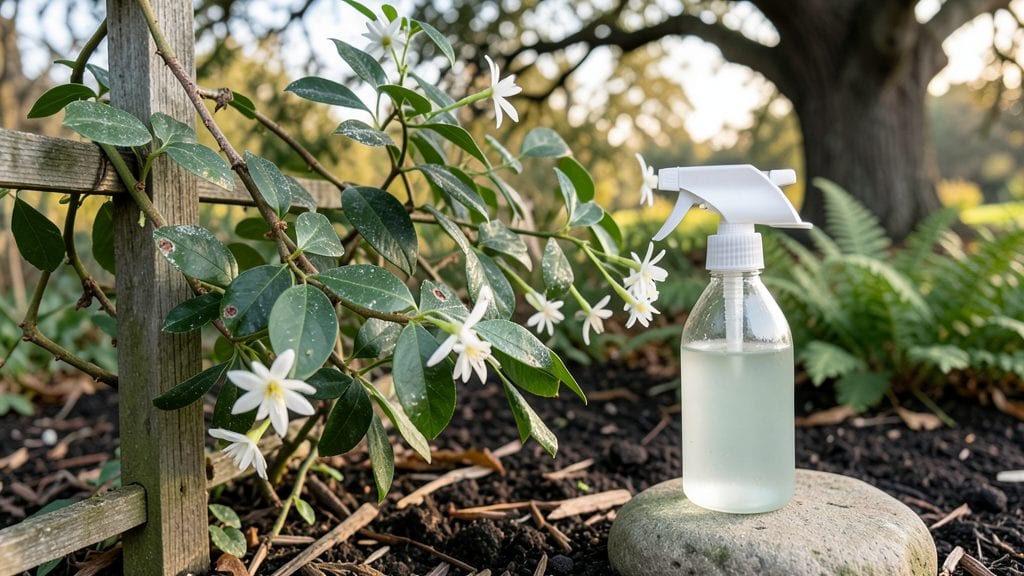
Jasmine fungus problems can turn your fragrant climber into a sad, spotted mess—but there’s a way to save it without losing the plant. 🌿 I’ve nursed back multiple jasmine vines from powdery mildew and root rot by acting fast, and I’ll show you exactly how to spot the issue early and stop it before it spreads.
The key is recognizing the signs: yellowing leaves, white powdery patches, or mushy stems mean fungus is already at work. Jasmine hates soggy roots and poor airflow, so overwatering or crowded growth creates the perfect fungal buffet.
The good news? Most cases respond to simple fixes—like trimming affected areas and boosting airflow—without harsh chemicals.
You’ll have your jasmine thriving again in just a few weeks with the right approach. We’ll cover humane pruning techniques, organic sprays that work, and how to adjust your care routine to keep fungus away for good. No more wilting vines—just lush, fragrant growth.
Works for both outdoor climbers and potted jasmines, and the methods are gentle enough for sensitive plants. Let’s get your jasmine back to its best in no time.
Root Causes of Plant Fungus
Fungal infections in jasmine plants don’t appear out of nowhere—they’re often the result of a perfect storm of environmental and care-related factors. Understanding these triggers is the first step to prevention and treatment.
Below, we break down the most common reasons your jasmine might be battling fungus, along with the science behind each cause.
Fungi thrive in damp, stagnant environments where moisture lingers on leaves, stems, or soil. Jasmine plants, especially those grown indoors or in shaded outdoor spots, are particularly vulnerable when humidity levels remain consistently high (above 70%).
- Why it happens: Fungal spores—like those from Botrytis cinerea (gray mold) or Powdery Mildew—require moisture to germinate and spread. Poor airflow prevents evaporation, creating a fungal-friendly microclimate. Overwatering or crowded pots exacerbate the issue by trapping excess moisture near the plant’s base.
- Actionable insights:
- Use a hygrometer to monitor humidity; aim for 40-60% for optimal jasmine health.
- Space plants 6-12 inches apart to improve airflow, or prune nearby foliage blocking circulation.
- Mist leaves in the morning (not evening) to allow water to dry before nightfall.
Jasmine plants prefer well-draining soil, but soggy roots create the ideal breeding ground for root rot (Phytophthora spp.) and soil-borne fungi like Fusarium.
- Why it happens: When soil stays waterlogged, oxygen is depleted, weakening the plant’s roots. Fungi exploit this stress, entering through wounded or compromised root tissues. Overwatering also dilutes soil nutrients, further stressing the plant.
- Actionable insights:
- Check soil moisture by inserting your finger 2 inches deep—water only when the topsoil is dry.
- Use pots with drainage holes and a mix of perlite or sand (20-30%) in potting soil to improve aeration.
- If repotting, choose a terracotta pot (porous material helps wick away excess moisture).
Wounds from pruning, pests (like spider mites), or harsh weather create entry points for fungal pathogens. Even environmental stress (e.g., sudden temperature drops) can weaken a plant’s defenses.
- Why it happens: Fungi release enzymes that break down plant cell walls, but they can’t penetrate healthy tissue as easily. Stress signals (like ethylene gas from damaged cells) attract fungal spores, accelerating infection.
- Actionable insights:
- Sterilize pruning tools with rubbing alcohol before cutting to avoid introducing pathogens.
- Inspect leaves regularly for pests; treat infestations immediately with neem oil or insecticidal soap.
- Avoid cold drafts (below 50°F/10°C) or direct sunlight shifts, which shock the plant.
Fungal spores can persist in old soil or shared gardening tools, reinfecting healthy plants. Many gardeners unknowingly transfer pathogens from infected to healthy jasmine plants.
- Why it happens: Spores from previous fungal outbreaks (e.g., Rhizoctonia or Pythium) remain viable in soil for years. Even compost or mulch can harbor latent fungi if not properly heated during decomposition.
- Actionable insights:
- Sterilize soil by baking it at 200°F (93°C) for 30 minutes or using hydrogen peroxide (3%) as a soil drench.
- Disinfect tools with a 10% bleach solution (1 part bleach to 9 parts water) or 70% isopropyl alcohol.
- Replace contaminated soil with fresh, fungicide-treated mix when repotting.
A lack of key nutrients (like potassium, phosphorus, or calcium) weakens a plant’s cellular structure, making it easier for fungi to invade. Over-fertilizing with high-nitrogen fertilizers can also promote lush, soft growth—prime targets for fungal attacks.
- Why it happens: Nutrient deficiencies reduce cuticle wax production on leaves, increasing permeability to fungal spores. Excess nitrogen, meanwhile, leads to sap-rich tissue, which fungi like Alternaria love to feed on.
- Actionable insights:
- Test soil pH (aim for 6.0-7.0 for jasmine); amend with lime (to raise pH) or sulfur (to lower it) as needed.
- Use a balanced fertilizer (10-10-10 or 5-5-5) and reduce nitrogen if new growth looks overly soft.
- Foliar feed with silica-rich solutions (like banana peel tea) to strengthen cell walls naturally.
Outdoor jasmine plants are exposed to splashing water, contaminated rainwater, or fungal spores from nearby infected plants. Even indoor jasmine can suffer if placed near damp walls or poorly ventilated bathrooms.
- Why it happens: Water splashing from irrigation or rain can aerosolize spores, spreading them to healthy leaves. Fungi like Septoria exploit these droplets to colonize new surfaces.
- Actionable insights:
- Water at the base (avoid overhead spraying) or use a soaker hose.
- Relocate indoor plants away from bathrooms, kitchens, or basements with high humidity.
- Prune lower leaves to reduce splashing during watering.
While mycorrhizal fungi (beneficial root associates) help jasmine absorb nutrients, some opportunistic soil microbes can turn pathogenic under stress. For example, Trichoderma species are usually helpful but can cause green mold if the plant is already weakened.
- Why it happens: Disruptions to the soil microbiome (e.g., from chemical fungicides or abrupt pH changes) can tip the balance toward harmful microbes. Weakened plants lose their ability to regulate these relationships.
- Actionable insights:
- Introduce beneficial microbes like Bacillus subtilis or mycorrhizal inoculants to outcompete pathogens.
- Avoid synthetic fungicides, which can kill beneficial fungi along with harmful ones.
- Mulch with compost to gradually restore microbial diversity.
Revive Your Jasmine Plant Naturally
Now that you understand why fungal issues plague your jasmine plant, it’s time to take action! The good news? Most fungal problems are treatable with the right approach—and prevention is always easier than a cure.
Below, we break down targeted solutions for common fungal causes, from mild powdery mildew to stubborn root rot, plus pro tips to keep your jasmine thriving long-term.
Cause: White, powdery patches on leaves (often from humidity or poor airflow). Fix:
- 🧼 Cleanse the leaves – Gently wipe affected areas with a neem oil-soaked cloth (1 tsp neem oil + 1 quart water). This disrupts fungal spores without harsh chemicals.
- 🌿 Spray a fungicide – Mix 1 tsp baking soda + 1 quart water + a few drops of dish soap (as a surfactant). Spray both sides of leaves every 7–10 days until clear.
- 🌬️ Improve airflow – Prune crowded branches and avoid overwatering. Morning watering (so leaves dry by night) helps prevent mildew.
✨ Pro Tip: Prevent recurrence by spacing plants 12–18 inches apart and using reflective mulch (like aluminum foil) under pots to deter fungal spores.
Cause: Yellowing leaves, mushy stems, or foul-smelling soil (from overwatering or poor drainage). Fix:
- 🚰 Stop watering immediately – Let the soil dry out completely for 3–5 days before checking again.
- 🔄 Repot if needed – Remove the plant, trim black/mushy roots with sterilized scissors, and repot in fresh, well-draining soil (add perlite or sand for aeration).
- 💧 Adjust watering habits – Water only when the top 1–2 inches of soil are dry. Use pots with drainage holes and terracotta (which wicks moisture).
💡 Quick Fix: If repotting isn’t an option, top-dress with coarse sand to improve drainage and reduce rot risk.
Cause: Dark, irregular spots with yellow halos (often from bacterial or fungal leaf spot). Fix:
- ✂️ Prune infected leaves – Cut off spotted leaves at the base (don’t compost them—dispose in a sealed bag).
- 🛡️ Apply copper fungicide – Use a store-bought copper spray (like Bonide Copper Fungicide) or a DIY mix (1 tsp copper sulfate + 1 gallon water). Spray every 10–14 days until new growth appears.
- 🌧️ Avoid overhead watering – Water at the base of the plant to keep leaves dry.
🎯 Prevention: Sterilize pruners with rubbing alcohol between cuts to avoid spreading spores.
Even after treatment, keep these habits to protect your jasmine:
- ⚡ Rotate plants – Move them occasionally for even sunlight exposure (fungi love shaded, damp spots).
- 🌿 Use fungicidal soap – Spray preventatively every 4–6 weeks during humid seasons.
- 🌱 Choose disease-resistant varieties – If possible, opt for **jasmine cultivars like Jasminum officinale ‘Aureum’, which tolerate humidity better.
- 🧼 Clean up debris – Remove fallen leaves and dead flowers weekly to eliminate fungal food sources.
Final Thought: Fungal issues are manageable—the key is early action and consistent care. With these steps, your jasmine will bounce back stronger than ever**! 🌿✨
Frequently asked questions
How do I tell if my jasmine plant has a fungal infection?
Look for white powdery patches (powdery mildew), dark spots with yellow halos (leaf spot), or mushy stems with foul-smelling soil (root rot). Check the undersides of leaves too—fungus often starts there. If leaves yellow or wilt suddenly, it’s a red flag.
Can I save a jasmine plant with root rot?
Yes, but act fast! Remove the plant from its pot, trim all black/mushy roots with sterilized scissors, and repot in fresh, well-draining soil with perlite. Water only when the top 1-2 inches of soil are dry. If the roots are mostly healthy, it’ll recover in 2-4 weeks.
What’s the best natural fungicide for jasmine plants?
A baking soda spray works wonders! Mix 1 teaspoon baking soda + 1 quart water + a few drops of dish soap (as a surfactant) and spray both sides of leaves. Repeat every 7-10 days until the fungus clears. Neem oil is another great option—spray it in the morning for best results.
Why does my jasmine keep getting fungus even after treatment?
Fungal spores linger in old soil, tools, or crowded conditions. Sterilize your pots and tools with bleach or rubbing alcohol, improve airflow by spacing plants 6-12 inches apart, and avoid overhead watering. High humidity (>70%) is the #1 culprit—use a fan or dehumidifier if needed.
Is it safe to use chemical fungicides on jasmine?
Use chemicals like copper fungicide sparingly—only if organic methods fail. Always follow label instructions and avoid spraying during direct sunlight or hot weather. For sensitive jasmines, stick to baking soda, neem oil, or hydrogen peroxide (3%) for a gentler approach.