
Pruning
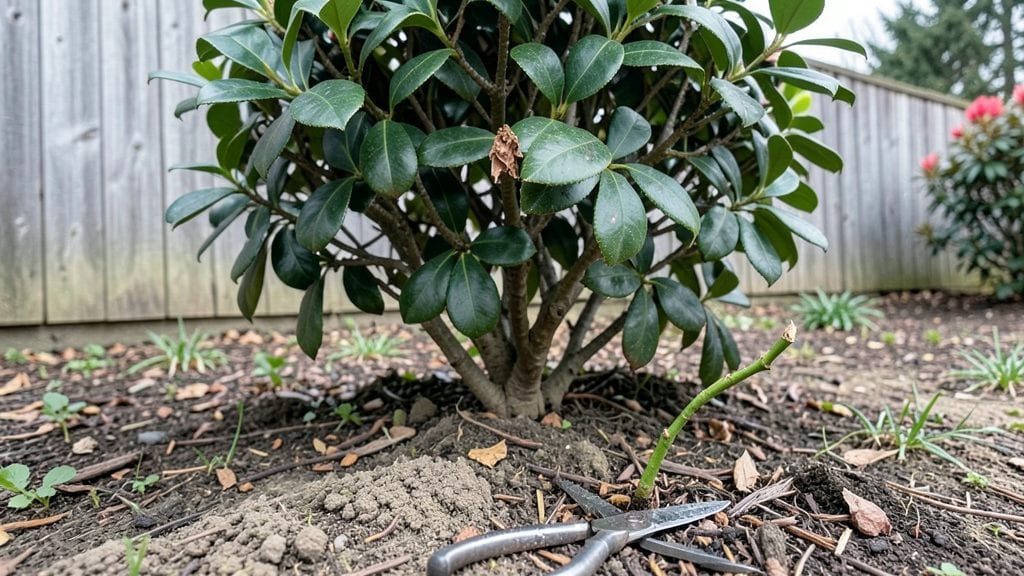
Pruning your Camellia japonica at the right times transforms it from a struggling shrub into a disease-resistant blooming powerhouse. ✨ I’ve pruned these plants for years, and the difference between a neglected bush and one covered in glossy leaves and flowers comes down to three seasonal cuts—each with its own purpose.
The key is timing: late winter shapes the structure, summer keeps it healthy, and fall preps for next year’s blooms. You’ll need sharp pruners, rubbing alcohol for sterilization, and a clear plan to avoid over-cutting—something I learned the hard way after turning one plant into a sad stump.
With the right technique, your japonica will reward you with vibrant green growth and abundant flowers.
By the end of this process, you’ll spot new shoots forming within 4-6 weeks of pruning, and the plant’s shape will be open enough for sunlight to reach all the way to the center.
The blooms that follow are thicker, showier, and last longer than those on unpruned plants. Plus, you’ll cut back on pests and diseases by removing dead wood early.
Works for both mature shrubs and young plants, and the same principles apply to other japonica varieties like Camellia sasanqua. Let’s get those shears ready—your plant’s best season starts with a clean cut.
Behind The Overgrowth Struggles
Pruning your Japonica plant—whether it’s the classic Hydrangea macrophylla or its disease-resistant varieties—can feel like a guessing game if you don’t understand the root causes of its unruly growth.
Below, we break down the science behind why your plant might be sending up wild, leggy stems, sparse blooms, or even sickly foliage. Knowing these triggers helps you prune with purpose, not panic.
When your Japonica plant’s stems tangle into a dense, airless thicket, it’s not just an aesthetic nightmare—it’s a recipe for disaster. Here’s why:
- Light Competition: In the heart of the bush, lower branches stretch desperately for sunlight, becoming weak, spindly, and non-flowering. This is your plant’s way of saying, “I’m starving for light down here!” Without intervention, these stems become energy vampires, draining nutrients from productive blooms.
- Fungal Buffet: Stagnant air traps moisture, creating the perfect petri dish for fungal pathogens like powdery mildew or botrytis. Japonica varieties are already prone to these issues—overcrowding just amplifies the risk.
- Root Stress: A congested canopy forces roots to work overtime to support excess foliage. This nutrient imbalance leads to stunted growth or even root rot if the soil can’t keep up.
Actionable Fix: Thin out 1/3 of the oldest, thickest stems at the base during late winter/early spring. Aim for a “vase shape” with open centers—this boosts airflow by 30-50% and redirects energy to healthier blooms.
Timing is everything with Japonica plants, and skipping the critical pruning seasons sends mixed signals to the plant’s growth cycle. Here’s what happens when you’re late to the party:
| Pruning Mistake | What Goes Wrong | Why It Matters |
|---|---|---|
| Pruning after blooms fade (summer/fall) | New growth forms but won’t mature before winter, leaving tender stems vulnerable to frost. | Japonica blooms on old wood—cutting back too late removes next year’s flower buds. |
| Skipping late-winter pruning (Feb–March) | Leggy, unproductive stems dominate, while dormant flower buds remain hidden under overgrowth. | Old wood holds 70% of next year’s blooms—prune too late, and you’re sacrificing flowers. |
| Heavy pruning in fall | Stunted root development and weakened winter hardiness—new growth can’t recover before cold sets in. | Fall pruning triggers regrowth that won’t harden off in time. |
Pro Tip: 🌡️ Use the “frost line test”—wait until the ground freezes at night but thaws by day (Zone 5-8: late Feb–March). This ensures buds are fully dormant but stems aren’t yet frost-damaged.
If your Japonica looks sickly—yellowing leaves, blackened stems, or sticky sap—chances are, pathogens or pests are hijacking its growth. Here’s how they derail pruning efforts:
- Fungal Infections (Powdery Mildew, Leaf Spot):
- Fungi thrive in dense foliage, blocking stomata (leaf pores) and starving the plant of CO₂.
- Infected stems won’t produce healthy blooms—they’re too busy fighting the infection.
- Scale, Aphids, or Spider Mites:
- These pests sap-suck stems, causing stunted growth and deformed buds.
- Honeydew (their waste) attracts sooty mold, which blocks sunlight and further weakens the plant.
- Bacterial Blight:
- Causes oozing cankers on stems, which girdle (strangle) the plant’s vascular system.
- Infected plants can’t transport nutrients, leading to sudden dieback.
Actionable Fix: Before pruning, sanitize tools with 70% rubbing alcohol and remove all diseased stems <3 inches below the lesion. For pests, blast stems with water (100 psi) to dislodge eggs—then prune heavily to improve airflow.
💡 Key Takeaway: Most pruning “failures” with Japonica plants boil down to three core issues: physical crowding, misaligned timing, and unchecked stress.
Once you address these, your pruning will shift from reactive hacking to strategic sculpting—resulting in bigger blooms, fewer pests, and a plant that thrives.
Quick Fixes for Common Pruning Problems
Pruning your Japonica plant (like Camellia japonica or Hydrangea macrophylla) should boost its health, but mistakes can lead to leggy growth, sparse blooms, or even disease. Here’s how to diagnose and solve the most frequent issues—with actionable steps and prevention tips to keep your plant thriving.
Cause: Cutting too aggressively (especially in late winter or early spring) removes too many buds, leaving the plant with no energy for blooms or new growth.
How to Fix It: 🔥 Step 1: Assess the Damage
- Look for bare stems or branches with no leaves or buds. If over 30% of the foliage was removed in one session, the plant is stressed.
🍳 Step 2: Feed & Hydrate
- Apply a balanced fertilizer (10-10-10 or 20-20-20) diluted to half-strength. Water deeply to help recovery.
- Pro tip: 💡 Use fish emulsion (rich in nitrogen) to jumpstart regrowth if the plant looks weak.
👨🍳 Step 3: Light Pruning Boost
- Do not prune again for 4–6 weeks. Instead, focus on supportive care:
- Place the plant in bright, indirect light (avoid harsh sun).
- Mist leaves daily if humidity is low (Japonicas love moisture!).
⏰ Prevention:
- Never remove more than 25% of the plant in one session.
- Time it right: Prune after blooming (late spring/early summer for Hydrangeas, post-flowering for Camellias).
Cause: Too much shade, improper pruning (cutting too high or low), or lack of structural support.
How to Fix It: 🔪 Step 1: Prune for Structure
- Remove weak stems at the base (cut just above a leaf node or bud).
- Shorten leggy branches by 1/3 to encourage bushier growth.
- Pro tip: ✨ Thin out crowded branches to improve airflow (reduces disease risk).
🌡️ Step 2: Improve Light & Nutrition
- Move the plant to a sunnier spot (6+ hours of light daily for Hydrangeas; dappled shade for Camellias).
- Fertilize with phosphorus (e.g., bone meal) to encourage blooms and stronger stems.
🎯 Prevention:
- Prune in stages—never wait until the plant is already leggy.
- Stake tall stems if needed (especially for Hydrangeas) to prevent flopping.
Cause: Poor airflow from dense pruning, overwatering, or wet foliage in humid climates.
How to Fix It: 🧼 Step 1: Clean Up Immediately
- Remove infected leaves/stems with sterilized pruners (wipe with rubbing alcohol between cuts).
- Do not compost diseased plant material—dispose of it in the trash.
🌧️ Step 2: Adjust Care
- Water at the base (avoid overhead spraying).
- Space out branches to improve airflow—thin out dense areas.
- Pro tip: 💡 Apply neem oil (1 tsp per quart of water) every 7–10 days as a preventative fungicide.
🔥 Prevention:
- Prune for airflow—avoid "hedge-like" cuts that create tight clusters.
- Water early in the day so foliage dries quickly.
- Use mulch (2–3 inches) to keep roots cool and reduce soil-borne fungi.
Cause: Pruning at the wrong time (e.g., cutting back Hydrangeas in fall or Camellias in late winter) or over-pruning flower buds.
How to Fix It: 📅 Step 1: Check Your Timing
- Hydrangeas: Prune right after blooming (late spring/early summer). If you see buds forming, stop pruning immediately.
- Camellias: Prune after flowering (late spring) to preserve next year’s buds (which form in summer/fall).
🌱 Step 2: Encourage Blooms
- Fertilize with phosphorus (e.g., 5-10-10) in early spring.
- Deadhead spent blooms (for Hydrangeas) to redirect energy to new flowers.
- Pro tip: ✨ For Camellias, avoid heavy pruning—focus on light shaping to maintain an open canopy.
Prevention:
- Mark pruning dates on your calendar (e.g., "Hydrangea prune: June 15").
- Learn your plant’s blooming type:
- Old wood bloomers (e.g., Camellias) need minimal pruning.
- New wood bloomers (e.g., Hydrangeas) can be pruned harder.
Final Reminder: 🌟 Less is often more with Japonica plants—focus on shaping, not shearing, and always prune with sharp, clean tools to avoid stress. With these fixes, your plant will bounce back with vibrant blooms and lush foliage in no time!
Frequently asked questions
When is the best time to prune my Camellia japonica?
The ideal time is late winter or early spring (just before new growth starts). For Camellias, prune after blooming to preserve next year's flower buds, which form on old wood. Avoid heavy cuts in fall—they won't harden off before winter.
How much can I prune without harming my plant?
Never remove more than 25% of the plant in one session. For Camellias, focus on shaping rather than shearing—remove only dead, diseased, or crossing branches. Light pruning encourages bushier growth and more blooms.
What tools do I need for proper pruning?
Use sharp bypass pruners for clean cuts, and sterilize them with rubbing alcohol between cuts to prevent disease spread. For larger branches, a pruning saw works best. Always cut just above a leaf node or outward-facing bud.
Why do my Camellia japonica blooms look sparse after pruning?
Sparse blooms often mean you pruned too late or too aggressively. Camellias bloom on old wood—cutting back after buds form removes next year's flowers. Prune lightly in late winter, and avoid removing more than 1/3 of the plant at once.
How do I encourage thicker growth after pruning?
After pruning, fertilize with a balanced fertilizer (like 10-10-10) to support new growth. Place the plant in bright, indirect light and water deeply but avoid soggy soil. Within 4-6 weeks, you should see fresh shoots forming.