Plants
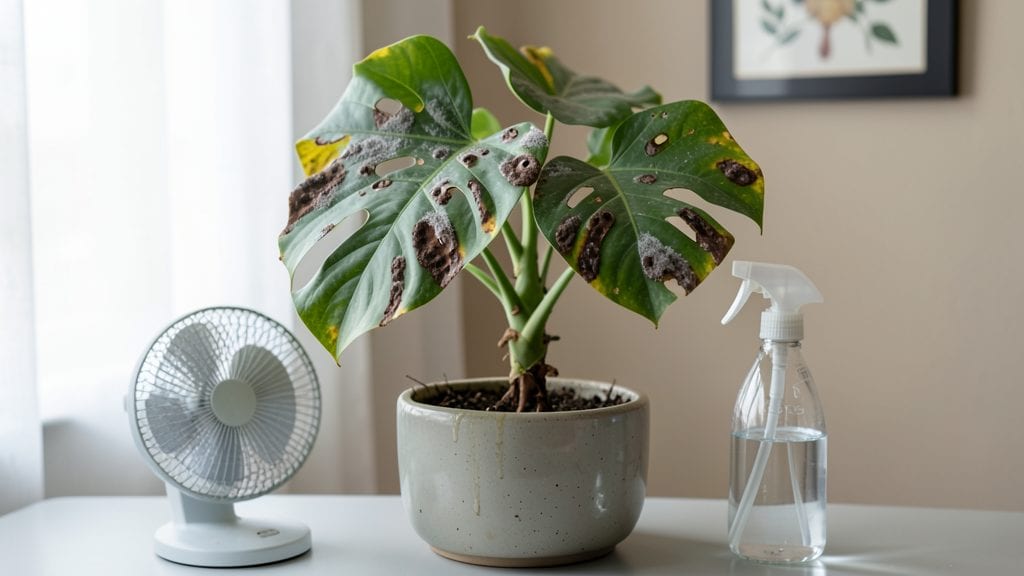
Houseplant fungus turns my once-vibrant ferns into sad, spotted messes—until I learned these three simple rescue steps that work every time. 🌱 The key is acting fast before the infection spreads to your whole collection, whether it's powdery mildew on your snake plant or root rot in that overwatered peace lily.
Most fungal problems start with the same mistakes: soggy soil, poor airflow, or ignoring those first weird brown spots. I've saved dozens of plants by adjusting watering habits, trimming infected leaves, and cleaning up fallen debris—no fancy tools required.
The right mix of prevention and treatment keeps your plants thriving without harsh chemicals.
You'll restore your plants to their lush, green selves in just a few weeks with the right care adjustments. The secret is consistent monitoring, proper humidity levels, and knowing when to prune aggressively versus gently.
My snake plant went from gray and dusty to vibrant emerald green in under a month.
Works for every common houseplant from monstera to pothos, and the techniques adapt to different climates. Let's get those leaves back to their best—starting with identifying exactly what's attacking your plants.
Root Causes of Plant Fungus
Fungal infections in houseplants aren’t just random bad luck—they’re usually a sign that something in your plant’s environment or care routine is off. Understanding these triggers is the first step to preventing (or fixing) the problem. Let’s break down the science behind why fungus takes hold in your leafy friends.
Fungi thrive in moist, oxygen-poor conditions, and overwatering is the #1 way to create the perfect fungal buffet for your plants. Here’s why it happens:
- Saturated Soil: When soil stays soggy for days, it cuts off oxygen to the roots, weakening their defenses.
Fungi like Phytophthora and Pythium (water molds) love this environment and attack stressed roots. - Stagnant Water: Potted plants with no drainage holes trap excess water at the bottom, turning the soil into a fungal breeding ground.
Even "well-draining" mixes can fail if water isn’t allowed to escape. - Fungal Spores in Water: Tap water often contains dormant fungal spores. If you’re watering too frequently, you’re essentially fertilizing the fungus with a steady supply of moisture and nutrients.
Actionable Fix: Let the top 1–2 inches of soil dry out between waterings, and always use pots with drainage holes. If your plant is already infected, reduce watering immediately and repot in fresh, sterile soil.
Plants love humidity, but too much without circulation creates a fungal paradise. Here’s the science:
- Condensation on Leaves: Humidity above 60–70% (common in bathrooms or kitchens) causes water droplets to form on leaves. These droplets trap fungal spores like Botrytis (gray mold) or Alternaria, which then germinate and spread. - Stagnant Air: Poor airflow prevents evaporation, keeping surfaces damp longer.
Fungi spread via spores in the air, and without movement, they linger and infect. - Crowded Plants: Grouping plants together traps moisture and spores, accelerating fungal growth. Think of it like a fungal chain reaction—one infected leaf can contaminate its neighbors.
Actionable Fix: Use a fan on low near your plants (especially in humid rooms) and avoid misting leaves. If humidity is unavoidable (e.g., tropical plants), space them out and prune leaves to improve airflow.
A healthy plant can fend off fungal attacks, but stress makes it an easy target. Common stressors include:
- Nutrient Deficiencies: Lack of phosphorus or potassium weakens cell walls, making plants more susceptible to fungal invasion. Yellowing leaves or stunted growth? That’s a red flag. - Physical Damage: Bruised leaves or roots (from repotting or pests) create entry points for fungi like Fusarium or Rhizoctonia.
Think of it like an open wound—fungi rush in. - Pest Infestations: Chewing insects (like spider mites) damage plant tissues, leaving behind a fungal feast. Their honeydew (sweet sap) also attracts sooty mold fungi.
Actionable Fix: Feed your plants with a balanced fertilizer (look for NPK ratios like 10-10-10) and inspect regularly for pests. Remove damaged leaves immediately to prevent fungal spread.
Fungi are opportunistic hitchhikers, and they don’t need much to spread. Here’s how they stow away:
- Dirty Pruners or Pots: Fungal spores can survive on tools for months.
If you snip an infected leaf and then use the same shears on a healthy plant, you’re essentially inoculating it. - Reused or Infected Soil: Old potting mix may contain dormant fungal spores from previous plants.
Even "sterile" soil can go bad if stored improperly. - Cross-Contamination: Touching infected plants first and then healthy ones transfers spores via hands or clothing.
Actionable Fix: Sterilize tools with rubbing alcohol between uses, and replace soil when repotting sick plants. Wear gloves when handling infected foliage to avoid spreading spores.
Fungi love moderate temperatures (60–80°F), but extreme shifts can weaken plants enough to invite infections:
- Cold Drafts: Sudden temperature drops (like near drafty windows) shock plants, reducing their ability to resist fungi like Erwinia (a bacterial-fungal hybrid).
- Heat Stress: Overheating (e.g., near radiators) dries out leaves, creating cracks or dead spots where fungi can take hold.
- Transplant Shock: Moving plants between hot/cold environments stresses their roots, making them vulnerable to Rhizoctonia or Thielaviopsis.
Actionable Fix: Keep plants in consistent environments (avoid drafts or direct heat) and acclimate them gradually to new conditions. If repotting, do it during stable weather.
Dead leaves, mulch, or fallen petals aren’t just unsightly—they’re fungal hotspots. Here’s why:
- Decaying Matter: As organic material breaks down, it releases sugars and moisture, fueling fungal growth. Sclerotinia (white mold) often starts in piles of dead foliage.
- Splash Back: When water splashes onto leaves from dirty pots or soil, it spreads fungal spores upward, infecting new growth.
- Mulch Overuse: Thick mulch layers (especially in pots) trap moisture and block airflow, creating the perfect fungal microclimate.
Actionable Fix: Remove dead leaves and debris regularly, and avoid piling mulch against stems. Clean pots with a 10% bleach solution (rinse well) before reuse.
Quick Fixes for Fungal Woes
Fungal infections in houseplants can feel like a silent assassin—creeping in before you even notice the damage. But don’t panic! With the right approach, you can revive your plants and keep future outbreaks at bay.
Below, we break down cause-specific solutions, from immediate action to long-term prevention, so your leafy friends stay lush and healthy.
Symptoms: Yellowing leaves, mushy stems, foul odor, fungus growing on soil surface.
Step-by-Step Rescue:
🔥 1. Remove the Plant from the Pot
- Gently slide your plant out, being careful not to tear roots further. Shake off excess soil to assess damage.
🍳 2. Trim the Damaged Roots
- Use sterilized scissors or pruning shears (wipe with rubbing alcohol first!). Cut away:
- Black, mushy, or soft roots (healthy roots are firm and white).
- Any leaves or stems showing rot or discoloration.
👨🍳 3. Disinfect the Pot & Soil - Pot: Scrub with a 10% bleach solution (1 part bleach to 9 parts water) or soak in vinegar for 10 minutes.
Rinse and dry. - Soil: Discard old soil—it’s likely contaminated. If repotting isn’t an option, sterilize the top layer by sprinkling hydrogen peroxide (3%) and letting it dry.
🥘 4. Repot with Fresh, Well-Draining Mix
- Use a cactus/succulent mix (if your plant prefers dry conditions) or a light, airy potting soil with perlite/pumice.
- Pro Tip: Add a thin layer of gravel or charcoal at the bottom for extra drainage.
⏰ 5. Adjust Watering Habits
- Wait 3–5 days before watering again. Stick your finger 1–2 inches into the soil—only water when it’s completely dry.
- Bottom-watering (placing the pot in a tray of water for 10–15 mins) reduces overwatering risks.
Symptoms: White, gray, or powdery spots (powdery mildew), fuzzy growth on leaves, stunted growth.
Immediate Actions:
💡 1. Isolate the Plant
- Fungal spores spread fast! Move the plant away from others until treated.
🔥 2. Wipe Down Leaves - Use a soft cloth or sponge dipped in mild soap solution (1 tsp dish soap + 1 quart water).
Avoid harsh chemicals. - For stubborn spots, spray with neem oil mixture (1 tsp neem oil + 1 tsp baking soda + 1 quart water).
🌡️ 3. Boost Air Circulation
- Place a small fan (on low) nearby to improve airflow (but avoid direct drafts).
- Pro Tip: Gently prune crowded leaves to enhance airflow.
🎯 4. Reduce Humidity
- If your home is humid (bathroom, kitchen), use a dehumidifier or open windows occasionally.
- Avoid misting leaves—water in the morning so foliage dries quickly.
Symptoms: Sticky residue, tiny insects (aphids, mealybugs, scale), black sooty mold on leaves.
Pest & Fungus Combo Fix:
✨ 1. Blast Off Pests
- Spray with insecticidal soap (follow label instructions) or rub alcohol-soaked cotton swabs on infested areas.
- For severe cases, use neem oil spray (repeat every 5–7 days).
🔪 2. Clean the Plant Thoroughly
- Wipe leaves with a soapy water cloth, then rinse with clean water.
- Pro Tip: Use a soft toothbrush to scrub crevices where pests hide.
💪 3. Strengthen the Plant’s Defense
- Fertilize lightly with a balanced, water-soluble fertilizer (½ strength) to boost health.
- Quarantine new plants for 2–4 weeks before introducing them to your collection.
Once your plant is back in shape, prevent recurrence with these habits:
- Water wisely: Check soil moisture before watering—underwatering is better than overwatering for most plants.
- Sterilize tools: Wipe pruners and pots with rubbing alcohol between uses.
- Rotate plants: Give them even sunlight exposure to avoid weak, fungus-prone spots.
- Inspect regularly: Check undersides of leaves and soil surface weekly for early signs.
- Use fungicides preventively: For high-risk plants (like ferns or calatheas), spray neem oil monthly as a shield.
Remember: Fungal issues are manageable—most plants bounce back with prompt care! If your plant is severely rotted (90%+ damage), it may not recover, but healthy leaves can often regrow with the right conditions. 🌱
Frequently asked questions about houseplant fungal issues
Why does my plant get fungus even when I water it properly?
Fungal growth isn't just about watering—it's often caused by poor airflow or high humidity combined with moisture. Even with proper watering, crowded plants or stagnant air (like in bathrooms) create perfect conditions for spores to thrive. Try spacing plants apart and using a small fan to improve circulation.
Can I save a plant with black, mushy stems from fungus?
It depends on how much is damaged. Cut away all blackened stems and roots with sterilized tools, then repot in fresh, well-draining soil. If more than 50% of the plant is affected, it may not recover—but healthy stems can often regrow with proper care. Always quarantine the plant first!
What's the fastest way to stop powdery mildew spreading?
Isolate the plant immediately, then wipe leaves with a mild soap solution (1 tsp dish soap + 1 quart water). For stubborn cases, spray with a neem oil mix (1 tsp neem + 1 tsp baking soda + 1 quart water). Boost airflow with a fan and avoid misting—dry leaves prevent spores from germinating.
Is it safe to use hydrogen peroxide on my houseplants?
Yes! A 3% hydrogen peroxide solution (1 part peroxide to 4 parts water) kills fungal spores on contact while being safe for plants. Spray on infected areas, let sit for 10 minutes, then rinse. Never use higher concentrations—it can damage leaves. Test on a small area first for sensitive plants like calatheas.
How do I know if my plant's soil is contaminated with fungus?
Look for white, fuzzy growth on the soil surface, musty smells, or blackened roots when you remove the plant. Even if you don't see fungus, if your plant has been overwatered for weeks, the soil is likely harboring spores. Always repot in fresh, sterile mix when treating fungal issues.