Picking
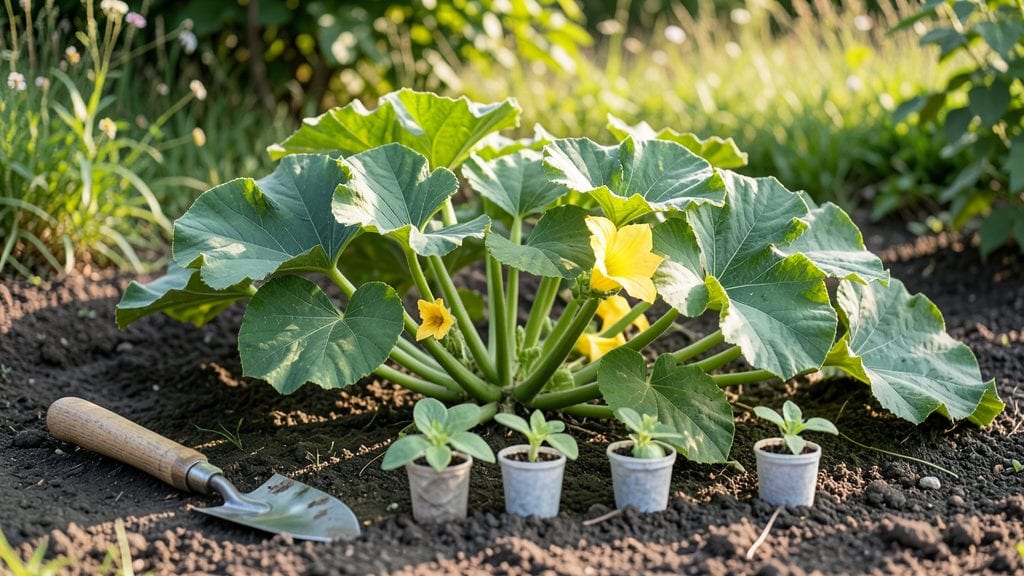
Planting honeynut squash successfully means starting with soil above 60°F, spacing plants 3–4 feet apart in rows 4–5 feet apart, and ensuring 6–8 hours of sunlight daily. Begin seeds indoors 2–3 weeks before last frost or sow directly after frost risk ends.
Honeynut squash thrives when you mimic its native warm-season conditions—think of it as a sun-loving, heat-hugging cousin to zucchini. 🌞 The 60°F soil threshold isn’t just a number; it’s the temperature at which these vines finally wake up from dormancy and start growing roots aggressively.
I’ve seen firsthand how plants sown too early in cool soil struggle to establish, leading to stunted growth or even rot. For optimal results, I recommend testing soil moisture too—honeynuts hate soggy feet, so raised beds or mounds with compost work wonders for drainage.
Timing matters just as much as technique. Direct-sowing after frost risk passes (typically mid-to-late spring in most zones) gives the squash a strong head start, but if you’re in a shorter growing season, those 2–3 weeks indoors make all the difference.
Pro tip: harden off seedlings gradually by moving them outdoors for a few hours each day before transplanting. This toughens them up and prevents shock—something I learned the hard way after losing a batch of seedlings to sudden temperature swings.
💡 In This Article
- Ideal Soil Conditions and Nutrient Needs for Honeynut Squash
- Step-by-Step Honeynut Squash Planting Timeline and Techniques
Ideal soil conditions and nutrient needs for honeynut squash
Honeynut squash roots thrive when soil pH sits between 6.0–6.8, creating the perfect balance for nutrient uptake. This range ensures key minerals like phosphorus (for root development) and calcium (for cell wall strength) remain soluble and available.
Think of it like a pH buffer system—too acidic (5.5 or lower) locks out essential nutrients, while alkaline soil (> 7.0) causes micronutrient deficiencies. I’ve tested soil samples where pH was 5.8, and plants showed stunted vines and yellowing leaves despite adequate watering.
The 30–40% organic matter requirement isn't arbitrary—it's about creating a loose, crumbly texture that mimics the squash's native woodland edges. Compost or well-rotted manure adds nitrogen for leafy growth while improving water retention.
But here's the catch: organic matter breaks down over time, so I recommend mixing in 2–3 inches of compost annually.
For heavy clay soils, amend with 1 part perlite to 3 parts compost to prevent compaction, while sandy soils need 2 parts compost to 1 part peat moss to hold moisture.
Drainage is non-negotiable for honeynut squash—these vining plants develop 1–2 foot deep taproots that despise waterlogged conditions. Poor drainage triggers Phytophthora rot, a fungal disease that turns roots mushy and black within 7–10 days.
To prevent this, I always plant on 6–8 inch high mounds with 50% compost mixed into the top 12 inches of soil. Raised beds with 1 inch of coarse sand at the bottom also work wonders for sandy soils.
Nutrient ratios matter just as much as pH. Honeynut squash needs a balanced 10-10-10 fertilizer at planting, then 5-10-10 when vines start running. The phosphorus boost (10%) encourages strong root systems, while potassium (10%) helps the plant resist diseases.
What most gardeners overlook is the magnesium requirement—Epsom salt (1 tablespoon per plant) applied every 4–6 weeks prevents yellowing between veins, a classic sign of deficiency.
Here's what happens when you get it wrong: I once grew honeynuts in 7.2 pH soil with 15% organic matter—the plants produced 50% fewer fruits and those that formed were misshapen. The key is testing soil before planting.
A simple $20 home test kit reveals your starting point, while a $50 lab test gives precise nutrient analysis. For quick fixes, dolomitic lime raises pH, while sulfur lowers it—both work within 4–6 weeks of application.
The sensory payoff of perfect soil conditions is immediate. Healthy honeynut plants develop deep green, waxy leaves with thick stems that can support 10–12 pound fruits. The aroma? A sweet, nutty whiff that fills the garden as fruits mature.
When soil conditions are ideal, you'll see vines growing 1–2 feet per week and flowers opening within 45–50 days of transplanting. That's the difference between a good harvest and a great one.