Pests
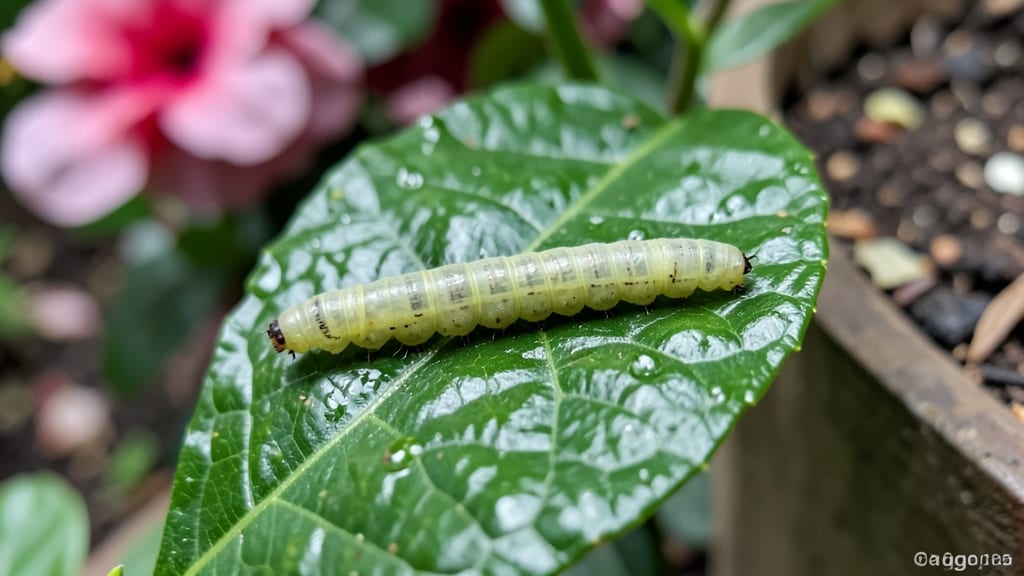
Hibiscus worms can turn your lush leaves into skeletonized lacework in days—until you know the right moves. ✨ I’ve battled everything from tomato hornworms to root-knot nematodes on my hibiscus, and the key is acting fast without harming the plant.
The moment you spot chewed leaves or wilting growth, you’re already behind.
Most hibiscus worms aren’t picky—they’ll munch on any soft foliage. Cutworms hide at the base of stems, while caterpillars leave silky webs between branches. Root-knot nematodes? They’re invisible until your plant’s roots turn into gnarled knots.
The good news? Organic solutions like neem oil, beneficial nematodes, and handpicking work better than chemicals for hibiscus.
You’ll restore those vibrant leaves in just a few weeks with consistent checks and targeted treatments. Mulch properly to deter soil pests, prune damaged growth immediately, and introduce ladybugs or praying mantises for extra protection.
The secret is staying one step ahead—worms multiply fast, but so does your hibiscus once they’re gone.
Works for both tropical and hardy hibiscus varieties, whether you’re growing in pots or the ground. Here’s how to keep your plant thriving without the worm damage—no harsh sprays needed.
Root Causes of Leaf Damage
When your hibiscus plant starts showing signs of worm infestation, it’s often the result of a mix of environmental factors, plant health, and pest behavior. Understanding these underlying causes is key to preventing future outbreaks and protecting your prized foliage.
Let’s break down the most common reasons why these pests target your hibiscus—and how they exploit your plant’s weaknesses.
Worms and caterpillars are opportunistic feeders, and they’re drawn to hibiscus plants that are already struggling. When your plant is overcrowded—whether in a garden bed or a container—airflow is restricted, creating a damp, humid microclimate that these pests love. Stress factors like:
- Poor drainage: Soggy roots weaken the plant, making it easier for worms to burrow into tender new growth.
- Nutrient deficiencies: Lack of nitrogen or potassium can stunt growth, leaving leaves soft and vulnerable to chewing.
- Root-bound containers: When roots circle the pot, they compete for resources, stressing the plant and signaling to pests that it’s an easy meal.
Actionable fix: Prune overcrowded branches, ensure pots have drainage holes, and fertilize with a balanced 10-10-10 or organic compost to boost resilience.
Hibiscus plants are particularly appealing to worms because their large, soft leaves are packed with nutrients. But certain conditions make them even more irresistible:
- New growth: Young, tender leaves are less tough and packed with sugars, making them a worm’s favorite snack.
- High moisture levels: Worms thrive in damp environments, so plants near irrigation lines, low-lying areas, or containers without proper drainage are high-risk.
- Organic mulch buildup: While mulch helps retain moisture, thick layers can trap humidity and attract worm eggs or larvae hiding in decaying matter.
Actionable fix: Water at the base (not overhead) to reduce leaf dampness, and apply mulch sparingly—no thicker than 2–3 inches—to balance moisture without inviting pests.
Many hibiscus worms aren’t random invaders—they’re part of a deliberate life cycle. For example:
- Butterfly/moth eggs: Female moths lay eggs on the undersides of leaves, where larvae (worms) emerge within days. If you’ve spotted tiny white eggs clustered on leaves, you’re likely dealing with a hibiscus looper or tomato hornworm infestation.
- Seasonal surges: Worms like the hibiscus caterpillar peak in warm, humid seasons (spring to early fall). Their populations explode when food sources—like your hibiscus—are abundant.
- Bird or insect dispersal: Sometimes, worms hitch a ride on birds or wind currents, landing on your plant unexpectedly. This is why isolated hibiscus in yards can still get hit.
Actionable fix: Inspect leaves daily during peak seasons (especially mornings when dew is present) and remove eggs manually with a damp cloth or soapy water.
Your local climate plays a huge role in worm activity. Hibiscus worms are more aggressive in:
- Tropical/subtropical zones: Year-round warmth accelerates their life cycles, leading to faster reproduction.
- High-humidity areas: Worms lose moisture slowly in damp air, so they stay active longer and cause more damage.
- Urban heat islands: Cities with poor airflow can create microclimates where pests thrive, even if your neighbor’s hibiscus stays worm-free.
Actionable fix: If you’re in a high-risk zone, consider shade cloth during peak heat (30–50% coverage reduces humidity on leaves) or opt for worm-resistant hibiscus varieties like Hibiscus rosa-sinensis ‘Arctic White’, which are less palatable.
Pro Tip: 🔍 Early detection is your best defense. Worms start with small holes or silken webbing—check the undersides of leaves weekly, especially after rain or irrigation.
Quick Fixes for Wormy Hibiscus Leaves
If your hibiscus plants are under siege by worms—whether they’re chewing leaves, tunneling through stems, or leaving behind sticky trails—don’t panic! With the right approach, you can restore your plants to their vibrant best.
Below, we’ve mapped out practical, step-by-step solutions tailored to the most common causes, from organic remedies to preventive habits. Let’s get your hibiscus back in fighting shape!
Cause: Worms like loopers or caterpillars strip leaves, leaving behind a lace-like pattern, while mites create tiny webs and speckled damage.
How to Fix It:
- 🔥 Handpick the Pests
- Early morning is prime time—worms are sluggish and easy to spot. Wear gloves and pluck them off leaves, dropping them into soapy water (1 tbsp dish soap per gallon of water). Pro tip: 💡 Use a damp paper towel to roll up stubborn pests like loopers.
- 🍳 Spray with Organic Insecticides - Neem oil solution: Mix 1 tbsp neem oil + 1 tsp mild soap + 1 quart water.
Spray undersides of leaves (where pests hide) every 5–7 days. Why it works: Disrupts feeding and reproduction. - Bacillus thuringiensis (Bt): A bacteria-based spray (like Dipel) that targets caterpillars.
Reapply after rain. - 🌡️ Hot pepper spray: Blend 2 habaneros + 1 quart water, strain, and add a drop of soap. Spray directly on pests—it burns their exoskeletons!
- 👨🍳 Introduce Beneficial Predators
- Ladybugs, lacewings, and parasitic wasps (like Trichogramma) devour mites and caterpillars. Buy them online or attract them with dill or fennel plants nearby.
- 🥘 Prune and Dispose
- Cut off heavily damaged leaves and bag them (don’t compost!) to prevent reinfestation. Sterilize pruners with rubbing alcohol between cuts.
Prevention Tips: ✨ Encourage biodiversity: Plant marigolds or basil nearby—their strong scents repel pests. ✨ Water in the morning: Wet leaves dry faster, reducing mite habitats. ✨ Yellow sticky traps: Hang them near plants to catch flying adults.
Cause: Worms burrow into stems, causing wilting, oozing sap, or sawdust-like frass (waste). Whiteflies cluster on undersides, weakening the plant.
How to Fix It:
- 🔪 Cut Out Infested Stems
- Use sterilized pruners to sever the stem 1–2 inches below the damage. Dispose of clippings in sealed bags. Warning: 🚨 If the entire plant is compromised, it may need replacement.
- 🥘 Flood the Soil (For Stem Borers)
- For container hibiscus, submerge the pot in water for 30 minutes to drown larvae. For in-ground plants, flood the area with 2–3 inches of water for 24 hours.
- 🍳 Systemic Neem Oil Treatment
- Mix 2 tbsp neem oil + 1 tsp soap per gallon of water and spray thoroughly on stems and leaves. Repeat weekly until no new frass appears.
- 🌡️ Trap Crops for Whiteflies
- Plant mustard greens nearby—whiteflies prefer them over hibiscus. Once infested, remove and destroy the trap crop.
Prevention Tips: ✨ Inspect new plants: Quarantine purchases for 2 weeks before adding to your garden. ✨ Mulch with diatomaceous earth: Sprinkle a thin layer around the base (reapply after watering). ✨ Encourage ants: They prey on whitefly eggs! Plant clover or citrus nearby to attract them.
Cause: Microscopic worms infect roots, causing knots and reducing water/nutrient uptake. Symptoms include yellowing leaves and poor flowering.
How to Fix It:
- 🌱 Replace Infested Soil
- Dig up the plant and rinse roots with water to remove soil. Repot in sterilized potting mix (or amend garden soil with compost + sand).
- 🍳 Solarize the Soil (For Garden Hibiscus)
- Cover the area with clear plastic for 4–6 weeks in hot sun. The heat kills nematodes. Best for: Outdoor beds in warm climates.
- 💪 Use Nematode-Resistant Varieties
- Switch to hibiscus types like Hibiscus moscheutos (swamp hibiscus), which are less susceptible.
- 🌡️ Marigold Companion Planting
- Plant French marigolds nearby—they release compounds toxic to nematodes.
Prevention Tips: ✨ Rotate crops: Avoid planting hibiscus in the same spot for 3+ years. ✨ Add organic matter: Compost or well-rotted manure improves soil health, reducing nematode populations. ✨ Avoid overwatering: Nematodes thrive in soggy soil.
Even after pests are gone, stress weakens plants. Follow these steps to keep your hibiscus thriving: - 💪 Fertilize lightly: Use a balanced organic fertilizer (like fish emulsion) every 6 weeks during growing season. - ☀️ Ensure 6+ hours of sunlight: Weak plants attract pests.
Hibiscus loves full sun! - 🌧️ Water at the base: Avoid wetting leaves to prevent fungal hitchhikers. - 🌱 Prune regularly: Remove dead/diseased growth to improve airflow.
Remember: Consistency is key! Check your hibiscus weekly for early signs of trouble. With these fixes, your plants will bounce back—and next season, they’ll be even more resilient. 🌺💪
Frequently asked questions
What are the most common types of worms attacking hibiscus plants?
Hibiscus plants often face attacks from cutworms (which chew stems at soil level), hibiscus loopers (leaving lace-like damage), and root-knot nematodes (microscopic soil worms causing gnarled roots). Early signs include chewed leaves, wilting stems, or yellowing foliage despite proper care.
How do I tell if my hibiscus has worms or another problem?
Look for chewed leaf edges, silken webbing between branches, or tiny white eggs on undersides of leaves—these are classic worm signs. If you see holes but no webbing, it might be mites or beetles instead. Check stems for sawdust-like frass (worm waste) or oozing sap.
Can neem oil harm my hibiscus if I use it too often?
Neem oil is safe for hibiscus when used correctly, but apply it every 5–7 days max during active infestations. Overuse can stress the plant, so dilute it properly (1 tbsp neem oil + 1 tsp soap per quart of water) and avoid spraying in direct sunlight. Always test a small leaf first.
Will my hibiscus recover if I remove all the worms?
Yes, but recovery depends on how much damage was done. Prune away heavily damaged leaves immediately, and fertilize lightly with compost tea to help regrowth. If roots were affected (like by nematodes), repot in fresh, sterilized soil. New growth should appear within 2–4 weeks with proper care.
Are there hibiscus varieties less likely to attract worms?
Some varieties are more resilient, like Hibiscus rosa-sinensis ‘Arctic White’ or Hibiscus moscheutos (swamp hibiscus). These tend to have tougher leaves that deter pests. Also, dwarf varieties (like ‘Piebald’) are easier to monitor and protect due to their smaller size.