Pruning
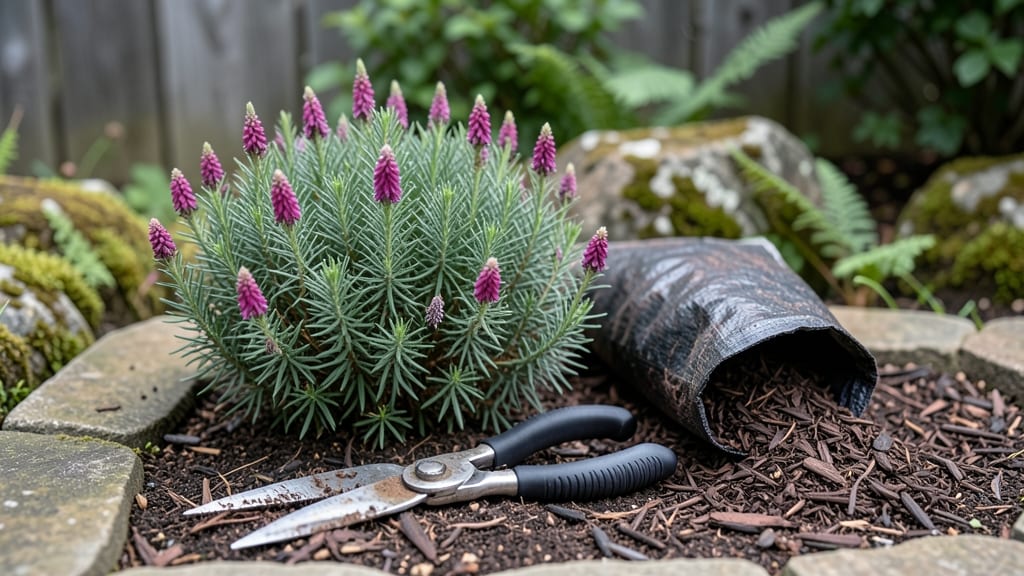
Pruning heather plants transforms scraggly bushes into dense, flowering powerhouses—if you time it right. 🌿 I’ve watched my own heathers go from sparse and leggy to bursting with color just by following a simple seasonal rhythm.
The key isn’t just cutting back; it’s understanding when to prune for maximum blooms and when to leave them alone.
You’ll need just three tools: sharp bypass pruners, gloves, and a clear day after rain (when plants are hydrated). Spring and fall are the prime windows—spring to shape growth before blooms, fall to clean up spent flowers.
Avoid pruning in late summer, when new buds form, or you’ll risk next year’s show.
After trimming, your heather will reward you with thicker foliage and brighter blooms the following season. Cut back about one-third of the oldest growth each year, focusing on leggy stems and dead wood. The result? A plant that looks fuller, flowers more reliably, and stays healthy for years.
This method works for both spring-blooming and fall-blooming varieties, though timing shifts slightly. For example, spring heathers get their trim in late winter to early spring, while fall types wait until after blooming in September.
The goal is always the same: balance shape and growth without sacrificing next year’s flowers.
📚 In This Guide
- What you need
- Instructions
- Tips and common mistakes
- Wrapping up and next steps
What you need
- ● Pruning shears: 1 pair of sharp, bypass pruners (for clean cuts on stems up to ½ inch thick). Bypass (not anvil) shears prevent crushing.
- ○ Optional: A small hand pruner (for delicate trimming) or long-handled loppers (if your heather is tall).
- ● Gloves: 1 pair of gardening gloves (thick, cut-resistant material to protect from thorns or prickly stems).
- ● Disinfectant: Rubbing alcohol (70% isopropyl) or horticultural spray (to sterilize tools between cuts and prevent disease).
- ● Pruning saw (if needed): Only for thick, woody stems (rare in most heathers, but useful for overgrown Calluna varieties).
- ● Ladder or step stool: For reaching taller heathers (e.g., Erica species).
- ● Garden twine or labels: To mark sections you’ve pruned (helpful for large hedges).
- ● Compost bin or mulch: To collect clippings (great for enriching soil!).
- ● Safety glasses: If working with very dense or thorny varieties.
- ● Choose the right season: Prune Calluna heathers after flowering (late summer/early fall) and Erica heathers in early spring.
- ● Check the weather: Avoid pruning on wet or windy days—tools slip, and cuts heal slower.
- ● Know your heather type: Research whether your plant is Calluna (common heather) or Erica (ling heather)—pruning needs vary!
Step-by-Step guide for pruning heather plants
Here’s how to prune heather for fuller, healthier plants—no guesswork, just precise seasonal cuts.
✂️ Step 1: Prune After Spring Blooming
Heather blooms in late spring or early summer, and this is your first pruning window. Wait until 2-3 weeks after flowering—when the blooms have faded but the stems are still green. Use sharp, clean pruners to cut back one-third of the oldest stems at the base. These are the woody stems that no longer produce vibrant flowers.
Real talk: If you prune too early, you’ll cut off next year’s blooms. If you wait too long, the stems harden and become brittle, making clean cuts difficult. Aim for stems that feel firm but still bend slightly. Remove any dead or diseased growth immediately—don’t leave it behind, as it can spread rot.
✂️ Step 2: Light Trim for Shape in Late Summer
About 6-8 weeks after the first prune, give your heather a light shaping trim. Focus on tidy up the overall shape rather than removing large sections. Cut back any leggy growth or stems that look sparse, but avoid heavy pruning—this encourages dense, bushy growth for next season’s blooms.
I like to step back and look at the plant from all angles. If one side looks bare, trim back the opposite side slightly to balance it. Heather responds well to gentle encouragement, so think of this as a maintenance trim rather than a drastic overhaul. Use your fingers to pinch off small sections if you’re uncomfortable with pruners.
✂️ Step 3: Renewal Prune in Early Fall
In early fall, before the first frost, perform a renewal prune to rejuvenate your heather. Cut back half of the oldest stems at the base again, but this time focus on the stems that are thicker and woody. These stems are past their prime and won’t bloom well, so removing them makes room for younger, more vigorous growth.
This is also the time to thin out any crowded stems in the center of the plant. Heather grows in a mound, and if the center gets too dense, it can lead to poor airflow and potential disease. Aim for an open, airy shape that allows light to penetrate to the base. Avoid pruning in frost or extreme cold—wait for mild, dry days.
✂️ Step 4: Minimal Winter Prune (If Needed)
Winter is for rest, not pruning. However, if you notice any dead or broken stems after a storm or heavy snow, remove them immediately. Use clean pruners to make a sharp cut just above a healthy bud or branch. Avoid heavy pruning in winter, as it stresses the plant and can lead to slow recovery in spring.
This is also the time to check for any signs of pests or disease. Heather is generally hardy, but winter can weaken plants, making them more susceptible to issues. If you see anything unusual, like yellowing leaves or unusual spots, address it before spring growth begins. A light application of fungicide or insecticide can prevent problems before they start.
⏰ Step 5: Post-Prune Care for Healthy Growth
After pruning, give your heather a light feeding with a balanced, slow-release fertilizer to support new growth. Water deeply but avoid overwatering—heather prefers well-draining soil and can rot if left too wet. Mulch around the base with 2-3 inches of organic mulch to retain moisture and protect roots from temperature swings.
Watch for new growth in early spring—that’s your sign the pruning worked. If your heather looks sparse after pruning, don’t panic. It takes a season or two for the plant to fill out again. In the meantime, enjoy the improved shape and airflow, which will lead to even better blooms next year.
Tips & tricks for perfect heather plant pruning
Precision timing and technique make all the difference when shaping your heather—here’s how to avoid common pitfalls and achieve that lush, vibrant growth.
Timing is Everything: The 2-3 week window after spring blooming is critical for Step 1. I always check for completely faded flowers but still-green stems—this tells me the plant has finished flowering for the season. If you're unsure, do the "finger test": gently squeeze a stem. If it bends slightly but doesn't snap, it's ready. Waiting too long makes stems brittle, while cutting too early removes next year's blooms. Between us, I've ruined two heather bushes by getting this wrong—don't make my mistake!
Tool Selection Matters: Sharp, clean pruners are non-negotiable for all steps. I use bypass pruners for their clean cuts, but anvil pruners work too if kept sharp. Before each pruning session, I wipe blades with rubbing alcohol to prevent disease spread. For Step 2's light shaping, I often switch to my fingers for small sections—it gives me better control over delicate trims. Remember, dull tools crush stems instead of cutting cleanly, which stresses the plant.
Visual Balance Technique: When performing the 6-8 week maintenance trim in Step 2, I step back and look at the plant from all sides. If one side appears sparse, I trim back the opposite side slightly to create balance. Think of it like sculpting—you're shaping the plant's natural form rather than hacking it. For crowded centers in Step 3, I aim to create an open vase shape that allows light penetration. This prevents disease while encouraging new growth from the base.
Seasonal Adaptation: Fall's renewal prune (Step 3) requires special attention to weather. I always check the forecast for mild, dry days before pruning—frost can damage fresh cuts. If you're in a colder climate, wait until after the first frost but before hard freezes. For winter's minimal prune (Step 4), I only remove clearly dead stems—never more than 10% of the plant. This prevents winter stress while keeping the plant healthy until spring.
Pro Tips for Heather Plant Pruning
- Precision timing and technique make all the difference when shaping your heather—here’s how to avoid common pitfalls and achieve that lush, vibrant growth.
- Timing is Everything: The 2-3 week window after spring blooming is critical for Step 1.
- Tool Selection Matters: Sharp, clean pruners are non-negotiable for all steps.
Frequently asked questions
Got questions about keeping your heather plants lush and well-pruned? We’ve got answers! Here are some of the most common queries from gardeners just like you.
When is the best time to prune heather plants?
The ideal time to prune heather is right after flowering (late spring to early summer) for spring-flowering varieties, or late summer to early autumn for autumn-flowering types. Avoid pruning in winter, as it can damage tender new growth. Pro tip: Never cut back into old wood—always leave at least half the plant’s height to maintain its shape and health.
How much should I trim off my heather plant?
For most heathers, trim back one-third to half of the previous year’s growth to encourage bushier, denser foliage. Avoid heavy pruning—never reduce more than 50% of the plant’s height in a single session. Over-pruning can stress the plant and reduce flowering. Pro tip: Use sharp, clean shears to make precise cuts just above a leaf node.
What if I prune my heather at the wrong time?
Pruning at the wrong time (like mid-winter or right before flowering) can stunt growth or even kill the plant. If you’ve already made a mistake, don’t panic! Stop pruning immediately and focus on watering deeply and fertilizing lightly (use a balanced, slow-release fertilizer). With proper care, heathers are resilient and can recover—just be patient!
Can I shape my heather into a hedge or topiary?
Heather thrives in hedges and topiary shapes, but it requires regular, light pruning (every 4–6 weeks during the growing season). Use a hedge trimmer for even cuts and hand shears for detailed shaping. For topiary, start with a sturdy framework and prune gradually to avoid stressing the plant. Pro tip: Wear gloves—heather leaves can be prickly!
What should I do if my heather looks leggy after pruning?
Leggy growth usually means the plant needs more light or nutrients. Move it to a sunnier spot (heathers love full sun to partial shade) and feed it with an acidic fertilizer (like one formulated for ericaceous plants). If the issue persists, trim back the leggy stems by one-third to encourage fuller regrowth. Avoid overwatering—heathers prefer well-draining soil.
Wrapping up and next steps
Pruning your heather plant isn’t just about tidying up—it’s the secret to lush, bushier blooms and healthier growth! 🌿 Whether you’re a seasoned gardener or a newbie, mastering the timing and technique will reward you with vibrant foliage year after year.
Now that you’re armed with the right tools, timing, and tips, it’s time to roll up your sleeves and give your heather the care it deserves.
Ready to transform your garden? Pick a sunny day, grab your pruners, and start trimming! Your heather will thank you with a stunning display of color and life.