Picking
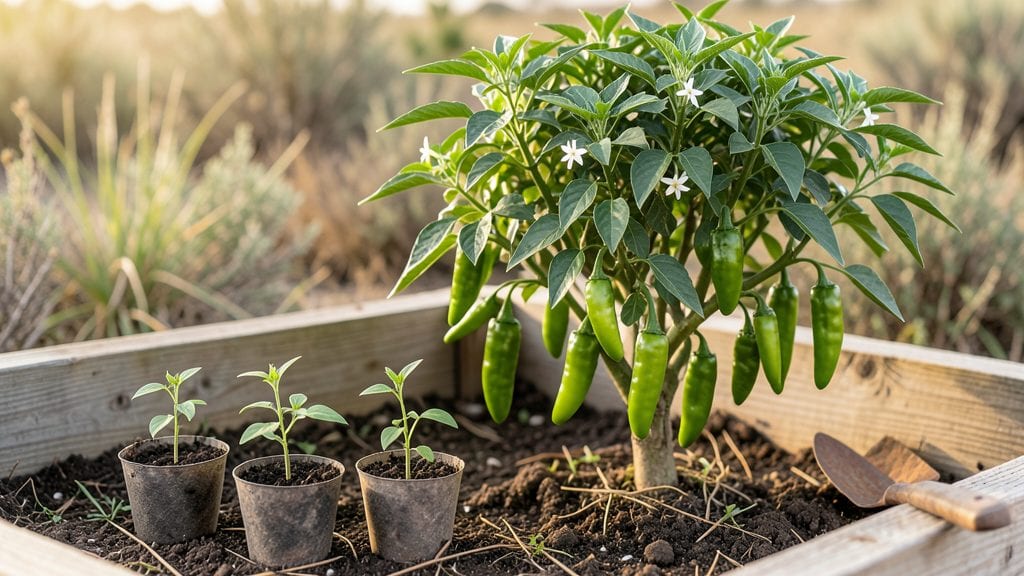
Planting habanero peppers gives you the hottest harvest your neighbors will talk about for years—if you nail the first three steps. 🌱 I’ve grown them for a decade, and the difference between a thriving plant and a sad, stunted one comes down to soil, sunlight, and patience.
The secret isn’t just throwing seeds in the ground; it’s creating the exact conditions these finicky peppers crave.
Start with well-draining soil mixed with compost—habaneros hate soggy roots. Space seeds 18 inches apart in warm soil (at least 70°F) or use 4-inch pots for transplants. They need full sun (6+ hours daily) and consistent moisture, but never soggy soil.
The first real leaves signal success—ignore the tiny early sprouts, as they’re just fooling you.
By midseason, you’ll be pinching off early blooms to boost root growth, and by summer, you’ll have clusters of those signature orange peppers. The heat level? 100,000–350,000 Scoville units—enough to make salsa or hot sauce that’ll impress (or scare) anyone who tries it.
The key is consistency: water deeply once a week, fertilize lightly, and protect from pests early.
Container growers can use 5-gallon pots, while in-ground planters need well-prepped beds. If your zone gets chilly nights, bring pots inside or cover plants. The first harvest comes in 90–120 days—just don’t touch your eyes after handling them. Now, let’s get those seeds started right.
📚 In This Guide
- What you need
- Instructions
- Tips and common mistakes
- Wrapping up and next steps
What you need
- ● Habanero seeds or seedlings: Choose Capsicum chinense varieties (e.g., 'Carolina Reaper,' 'Pepper X,' or 'Orange Habanero'). Start with 3–5 plants for a small harvest.
- ● Containers or garden bed: For containers: 5–7 gallon pots (one per plant) with drainage holes.
- ● For garden beds: Full sun (6+ hours/day), loose, well-draining soil (pH 6.0–7.0). Amend with compost if needed.
- ● High-quality potting mix: 2–3 bags (sterile, peat-based or coconut coir blend). Avoid garden soil—habaneros hate soggy roots!
- ● Balanced fertilizer: 10-10-10 or 5-5-5 (organic options like fish emulsion or worm castings work too). Use 1 tbsp per plant at planting and every 4–6 weeks.
- ● Watering can or hose with gentle nozzle: Habaneros need consistent moisture but hate wet foliage.
- ○ Stakes or cages (optional but recommended): 4–6 ft tall for support as plants grow heavy with fruit.
- ● Pruning shears: Sharp, sterilized shears for trimming (sanitize with rubbing alcohol between cuts).
- ● Gloves: Heavy-duty gardening gloves—habanero sap can irritate skin!
- ○ Thermometer (optional): Soil thermometer to monitor temps (ideal: 75–85°F for germination).
- ○ Row cover or shade cloth (optional): 30–50% shade for seedlings if temps exceed 90°F.
- ● Harvesting tools: Small knife or scissors for picking peppers (leave stems attached to prolong shelf life).
- ● Warm climate or controlled environment: Habaneros thrive in USDA Zones 9–11. For cooler zones, start seeds indoors 8–10 weeks before last frost or use a greenhouse.
- ● Patience: Germination takes 15–30 days (sometimes longer!). Seedlings grow slowly at first but explode in heat once established.
- ● Sunlight commitment: No shortcuts—habaneros demand full sun or they’ll bolt or produce weak peppers.
Step-by-Step instructions for planting habanero peppers
Here's how I grow fiery, productive habanero plants—no guesswork, just reliable heat.
🌱 Step 1: Choose the Right Time and Location
Habaneros thrive in warm soil and full sun, so wait until after your last frost date when nighttime temperatures stay above 60°F. I plant mine in late spring when the soil reaches 70°F—stick a thermometer in the ground to check. Choose a spot with at least 6-8 hours of direct sunlight daily—they won’t tolerate shade.
If you’re starting from seeds indoors, begin 8-10 weeks before transplanting. Habaneros need warmth to germinate, so use a seedling heat mat set to 80-85°F. Without one, germination can take 2-3 weeks instead of the usual 7-10 days. Keep the soil consistently moist but never soggy—damping-off fungus will kill seedlings overnight.
🪴 Step 2: Prepare Soil and Plant
Habaneros love well-draining, fertile soil with a slightly acidic pH (6.0-6.8). Mix 2-3 inches of compost into the top 6 inches of soil—this ensures roots get the nutrients they crave. If your soil is heavy clay, add 1 part perlite or coarse sand to 3 parts soil to improve drainage. Poor drainage leads to root rot, and no one wants a sad, wilted habanero plant.
Dig a hole twice as wide as the root ball but no deeper. Gently remove the plant from its container, loosen the roots if they’re circling, and place it in the hole so the top of the root ball sits level with the soil surface. Backfill with soil, firm lightly, and water deeply—1 gallon per plant—to settle everything. Mulch with 2 inches of straw or shredded leaves to retain moisture and keep roots cool.
☀️ Step 3: Water, Feed, and Protect
Water habaneros deeply 1-2 times per week, aiming for 1-2 inches of moisture per week. Let the top 1-2 inches of soil dry out between waterings—overwatering causes blossom-end rot, which turns fruit ugly. I water in the early morning so leaves dry quickly, reducing fungal diseases. Avoid wetting the leaves when possible—use a soaker hose or drip irrigation instead.
Feed plants every 2-3 weeks with a balanced fertilizer (10-10-10) once they’re established. When flowers appear, switch to a low-nitrogen, high-phosphorus fertilizer (5-10-10) to encourage fruiting. Protect young plants from pests like aphids and spider mites with neem oil spray—I apply it weekly until flowers form. Habaneros are sensitive to cold snaps, so cover them with frost cloth if temperatures dip below 50°F at night.
⏰ Step 4: Harvest and Maintain for Next Year
Habaneros ripen in 90-120 days, turning from green to red, orange, or yellow depending on the variety. Harvest when they’re fully colored and slightly soft to the touch—red habaneros pack the most heat. Cut stems with scissors or pruners, leaving a small stem attached to prevent rot. Wear gloves—the oils can irritate skin! Store unripe peppers in the fridge for 1-2 weeks; ripe ones last 2-3 weeks at room temperature.
Save seeds from your best peppers for next year! Scoop out the jelly-like center, rinse the seeds, and dry them on a paper towel for 3-5 days. Store in a cool, dark place in a sealed container—viable seeds stay good for 2-3 years. In fall, cut back plants to 6 inches tall, compost the debris, and mark the spot for next season’s spicy harvest.
Tips & tricks for perfect habanero pepper planting
A few simple tricks will help you grow the hottest, healthiest habanero plants with minimal stress. Here's what I've learned after years of growing these fiery beauties.
Timing is Everything: Pay special attention to that 70°F soil temperature in Step 1—this is non-negotiable for habaneros. I use a soil thermometer to double-check before planting. If your soil is cooler than 60°F at night, wait a few more days. Cold soil slows root growth and makes plants more susceptible to disease. I've seen plants struggle when planted too early, even if the air temperature seems warm.
Seedling Heat Mat Game-Changer: For indoor starts, that 80-85°F heat mat is worth every penny. Without it, germination can drag out to 2-3 weeks instead of the usual 7-10 days. I place my seedling trays on the heat mat and cover them with plastic wrap to create a mini greenhouse effect. Just remember to remove the wrap once sprouts appear to prevent mold.
Soil Mix Matters: The 6.0-6.8 pH range mentioned in Step 2 is crucial—habaneros are sensitive to soil chemistry. I test my soil annually and amend with sulfur if needed to maintain that slightly acidic range. For container growing, I use a mix of 60% potting soil, 30% compost, and 10% perlite to ensure proper drainage while maintaining fertility. This prevents the root rot problems I saw my first year when using regular garden soil.
Watering Wisdom: That 1-2 inches of moisture per week guideline in Step 3 is perfect, but timing matters too. I water in the early morning so the foliage has all day to dry, which dramatically reduces fungal diseases. I've found that using a soaker hose right at the base of the plant prevents water from splashing onto leaves, which is exactly how I got my first batch of aphids last season.
Pro Tips for Habanero Pepper Planting
- A few simple tricks will help you grow the hottest, healthiest habanero plants with minimal stress.
- Timing is Everything: Pay special attention to that 70°F soil temperature in Step 1—this is non-negotiable for habaneros.
- Seedling Heat Mat Game-Changer: For indoor starts, that 80-85°F heat mat is worth every penny.
Frequently asked questions
Got questions about growing your own fiery habanero peppers? You’re not alone—this spicy adventure has its quirks! Here are the answers to the most common questions gardeners ask before diving into habanero pepper planting.
When is the best time to plant habanero peppers?
Habaneros love warmth! Start seeds indoors 8–10 weeks before your last frost date (around March–April in most climates). Transplant seedlings outdoors only after soil temps hit 75°F+—usually May–June. If your zone is hot year-round, direct-sow seeds in spring when nights stay above 60°F.
Can I grow habaneros in cold climates?
Yes, but with effort! Use container gardening to move pots indoors when temps drop below 50°F. Alternatively, grow them as annuals in greenhouses or start seeds early indoors. Habaneros thrive in USDA Zones 9–11, but creative gardeners in cooler zones still make it work with protection!
How do I handle the heat if the peppers get too spicy?
Wear gloves when harvesting or pruning—habanero oils can irritate skin! If you accidentally touch your eyes, rinse with milk or oil (not water). Store harvested peppers in paper bags (not plastic) to avoid cross-contamination, and wash hands thoroughly after handling.
What pests or diseases should I watch for with habanero plants?
Common threats include aphids, spider mites, and bacterial spot. Prevent issues by:
- Spraying neem oil weekly as a deterrent.
- Avoiding overhead watering to reduce fungal risks.
- Removing yellowing leaves promptly to stop disease spread.
Can I grow habaneros from store-bought peppers?
Technically yes, but it’s risky! Store-bought peppers may carry diseases or be treated with growth inhibitors. If you try it, let seeds dry completely, then plant them. For reliable results, buy seeds from reputable suppliers—they’re cheap and guarantee healthy, true-to-type plants!
Wrapping up and next steps
Growing your own habanero peppers is a rewarding journey that brings bold flavors and fiery excitement to your garden—and your kitchen! 🌶️ With the right soil, sunlight, and care, you’ll soon be harvesting peppers that pack a punch.
Whether you’re a seasoned gardener or just starting out, every successful plant begins with a single seed.
Now that you’re armed with the key steps and pro tips, it’s time to roll up your sleeves and get planting! Start with a few seeds, experiment with varieties, and enjoy the process.
Before you know it, you’ll be sharing your homegrown habaneros with friends—or daring them to take a bite! 😉