
Companion Plants
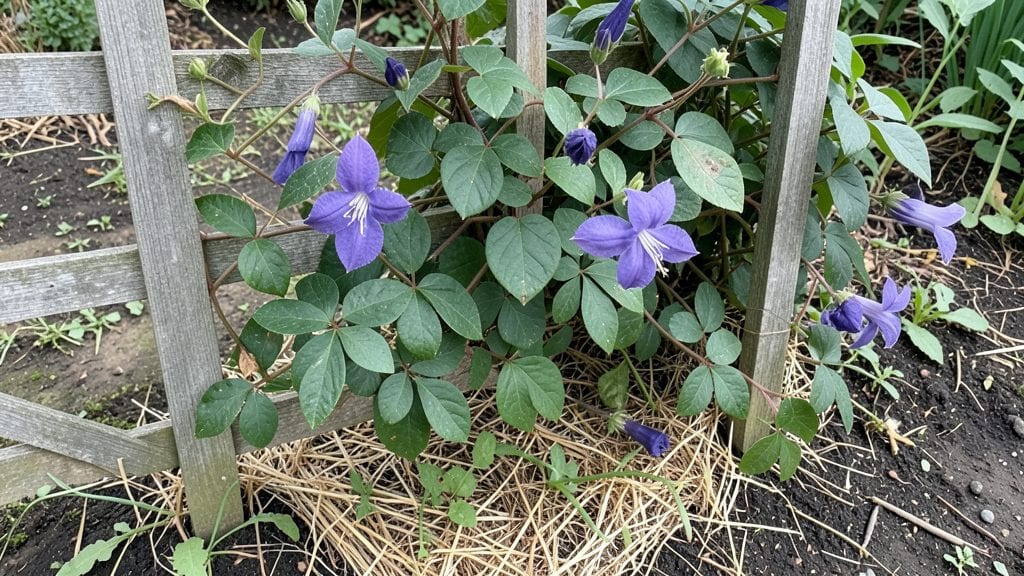
Fast-growing green vines can transform your yard into a lush privacy screen in just three months—no waiting years for slow climbers. 🌿 I’ve tested the quickest options, and these plants don’t just fill space; they create a vibrant, living curtain that blocks views while adding texture and color to your outdoor space.
The secret lies in choosing the right plants for your climate and space. Morning glories and sweet peas climb fences in weeks, while clematis and climbing roses add structure and fragrance.
Pair them with trellises or arbors for instant height, or let them spill over walls for a soft, natural look. You’ll get results faster than with shrubs or trees, and the maintenance stays light.
By summer’s end, you’ll have a thriving green wall that feels like a retreat—no peeking neighbors, just fragrant blooms and lush foliage. The best part? These vines also attract pollinators and birds, turning your privacy screen into a mini ecosystem. Let’s pick the perfect plants for your setup.
Works for small yards, urban balconies, or large gardens—just adjust the trellis size and vine type. Whether you want quick coverage or a long-term investment, these fast growers deliver. Ready to get started?
📚 In This Guide
- What you need
- Instructions
- Tips and common mistakes
- Wrapping up and next steps
What you need
- ● Green vining plants: Choose 3–5 fast-growing varieties like Morning Glory, Honeysuckle, or Ivy (3–5 plants per 10-foot section for full coverage).
- ● Potting soil or garden soil: 2–3 bags (sterilized, well-draining mix for containers or in-ground planting).
- ● Compost or organic fertilizer: 1 bag (balanced 10-10-10 or slow-release option for nutrient boost).
- ● Trellis or support structure: 1–2 sturdy trellises, fences, or wires (8–10 feet tall, spaced 3–4 feet apart).
- ● Pruning shears: 1 pair (sharp, bypass-style for clean cuts).
- ● Watering can or hose with nozzle: 1 (gentle spray setting for young plants).
- ○ Gloves (optional but recommended): 1 pair (nitrile or leather for protection).
- ● Mulch: 1 bag (straw or wood chips to retain moisture and suppress weeds).
- ● Plant ties or clips: 5–10 (soft fabric ties to secure vines to trellises).
- ● pH test kit: 1 (to check soil acidity, ideal range: 6.0–7.0 for most vines).
- ● Slow-release plant food: 1–2 tablets or granules (for long-term growth).
- ● Decorative accents: Solar-powered lights or lattice panels (to enhance aesthetics!).
Step-by-step instructions for creating a fast-growing privacy screen
Here’s the proven method to get a lush, green privacy barrier in just 3 months—no waiting years for slow growers.
🌱 Step 1: Choose the Right Fast-Growing Vining Plants
For speed, I always pick honeysuckle, morning glory, or clematis—they shoot up 6-12 feet in a single season if given the right support. Avoid slow climbers like ivy; they take years to fill out. Buy 4-6 plants (one per 4-foot section) to ensure rapid coverage along your fence or trellis.
Check the tags for sunlight needs—most vining plants thrive in full sun (6+ hours) but tolerate partial shade. If your space is shady, opt for ivy or Virginia creeper instead. Plant in early spring when soil warms to 60°F—this gives roots time to establish before summer heat.
🪴 Step 2: Install Support Structures Before Planting
Skip the trellis? Your vines will flop. Use 4-foot tall bamboo stakes, wire mesh, or a sturdy wooden lattice—whatever matches your style. Space supports 4 feet apart along your fence line. For extra strength, screw zip ties or soft plant clips to the stakes at 2-foot intervals to guide vines upward.
If you’re using a fence, attach horizontal wires or twine every 12 inches to create a lattice for clinging vines. Morning glories, in particular, need something to grip—bare fences won’t cut it. Bury stakes 6 inches deep for stability before planting.
💧 Step 3: Plant and Water for Rapid Growth
Dig holes twice as wide as the root ball but only as deep as the container. Loosen the roots gently if they’re circling—this prevents root bound shock. Place the plant so the top of the root ball sits just below soil level (burying the stem too deep causes rot). Backfill with native soil mixed with compost (use 1 part compost per 3 parts soil).
Water deeply right after planting—soak the soil until it’s 6 inches wet. Then, keep the area evenly moist (not soggy) for the first 2 weeks. You’ll know it’s right when the top inch of soil feels damp but not dripping. Mulch with 2 inches of shredded bark to lock in moisture and block weeds.
☀️ Step 4: Train Vines and Encourage Fast Growth
Once vines hit 12 inches tall, gently weave them through the support structure. Don’t force them—let them curl naturally. For morning glories, twist stems around the wires every 3-4 days to keep them climbing straight. Honeysuckle and clematis will cling on their own, but a little guidance speeds up coverage.
Fertilize once a month with a balanced 10-10-10 formula (use 1 tablespoon per plant) to fuel rapid growth. Stop fertilizing in late summer—new growth won’t harden off before frost. Watch for yellow leaves (a sign of overwatering) or brown tips (too little water). Adjust accordingly.
✂️ Step 5: Prune for Density and Control Spread
By month 3, you’ll see gaps or leggy growth. Trim back overly long vines to encourage bushier growth—cut just above a leaf node (where new shoots form). For morning glories, deadhead faded flowers to redirect energy into more foliage. With clematis or honeysuckle, prune 1/3 of the oldest stems to rejuvenate the plant.
If vines spread beyond your desired area, snip them at the base—they’ll regrow but stay contained. This keeps your privacy screen neat and manageable. In fall, cut back all vines to 6 inches tall (except evergreen varieties like ivy). This prevents winter damage and ensures a fresh start in spring.
Tips & tricks for perfect fast-growing privacy screens
Real talk: Planting vines for a privacy screen is easier than you think—but these tricks will help you avoid the common mistakes that slow down growth or leave gaps.
Soil Temperature Matters: The instructions call for planting when soil reaches 60°F, and this isn't just a suggestion. Cold soil slows root establishment by up to 50%. I always test soil temperature with a simple thermometer—if it's below 60°F, wait a few days. Warmer soil means faster root growth, which translates to quicker vine coverage. If you're in doubt, do the "sock test": bury a damp sock in the ground for 24 hours. If it warms to 60°F, you're good to go!
Support Structure is Non-Negotiable: I can't stress this enough: Skimping on support will leave you with vines sprawling on the ground instead of climbing. For morning glories specifically, use horizontal wires every 12 inches—they need something to grip, unlike honeysuckle which can cling to smooth surfaces. Pro tip: If using bamboo stakes, pre-drill holes through the top to attach your zip ties. This prevents the metal from cutting into the wooden stake over time.
Watering Wisdom: The instructions mention keeping soil evenly moist for the first 2 weeks, but here's what nobody tells you: Morning is the best time to water. This prevents fungal diseases that thrive in damp foliage from evening moisture. I use a simple rain gauge to track watering—aim for 1 inch of water per week during dry spells. For the first week after planting, I actually set a timer for every 3 days to give the roots a deep soak. This establishes a strong root system faster than sporadic watering.
Fertilizer Timing is Critical: The monthly 10-10-10 fertilizer schedule works, but here's my secret: Split that first application into two doses—give half when planting and the other half 4 weeks later. This gives the plants a quick boost without overwhelming them. Also, stop fertilizing by late summer as instructed, but don't forget to add a 2-inch layer of compost around the base in early spring. This provides slow-release nutrients without the risk of overfeeding.
Pro Tips for Green Vining Plants
- Real talk: Planting vines for a privacy screen is easier than you think—but these tricks will help you avoid the common mistakes that slow down growth or leave gaps.
- Soil Temperature Matters: The instructions call for planting when soil reaches 60°F, and this isn't just a suggestion.
- Support Structure is Non-Negotiable: I can't stress this enough: Skimping on support will leave you with vines sprawling on the ground instead of climbing.
Frequently asked questions
Got questions about growing green vining plants for a quick privacy screen? You’re not alone! Here are some of the most common concerns—and their answers—to help you get started with confidence.
How fast can I expect a green vining plant to grow?
Most fast-growing vining plants, like Morning Glory or Honeysuckle, can reach 10–15 feet in just 3 months with the right conditions (sun, water, and support). Some varieties, like Pole Beans, grow even faster—up to 6 inches per week! Just be prepared to prune regularly to control their spread.
How much water do vining plants need?
Newly planted vines need 1–1.5 inches of water per week, especially in their first month. Once established, most tolerate drought better than soggy soil, but they’ll wilt quickly if dehydrated. Pro tip: Mulch around the base to retain moisture and reduce weeds.
Can I grow green vining plants in containers?
Choose fast-climbing varieties like Sweet Peas or Clematis and plant them in large containers (at least 12–18 inches deep) with drainage holes. Use a trellis or obelisk for support—just ensure the container gets 6+ hours of sunlight daily.
What should I do if my vines stop growing or turn yellow?
Yellowing leaves or stunted growth usually mean overwatering, poor drainage, or nutrient deficiency. Check for:
- Root rot: Ensure pots/containers have drainage holes.
- Nutrients: Fertilize lightly with a balanced 10-10-10 formula every 4–6 weeks.
- Sunlight: Most vines need full sun—move them if they’re in shade.
Are green vining plants deer- or pest-resistant?
Unfortunately, deer love many vining plants—especially Honeysuckle and Morning Glory. To deter pests:
For pests like aphids, blast them off with water or introduce ladybugs.
Wrapping up and next steps
Transforming your outdoor space with fast-growing green vining plants is easier—and more rewarding—than you think! 🌿 Whether you’re craving instant privacy, a lush trellis backdrop, or a vibrant garden border, these powerhouses deliver dramatic results in just 3 months.
With the right variety, soil prep, and a little patience, you’ll enjoy a thriving, eco-friendly screen that’s both functional and stunning.
Ready to take action? Start by picking your favorite vines, gathering your supplies, and planting this weekend—your future shaded oasis awaits! 🌱 Dive into our step-by-step guide to get growing today.