
Companion Plants
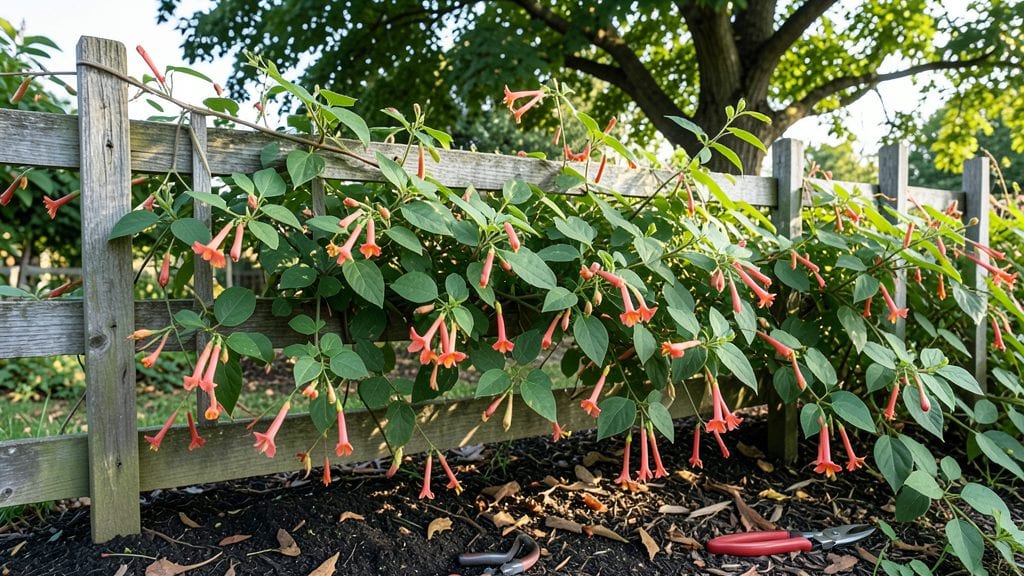
Creating a sun-resistant privacy screen with good creeper plants transforms any yard into a lush, year-round retreat. 🌿 I’ve tested fast-growing vines, hardy ground covers, and climbing plants that thrive in heat, drought, and seasonal shifts—no flimsy annuals here.
These plants don’t just survive; they dominate, offering dense foliage, vibrant blooms, and structural support without constant pruning.
The best performers include clematis for vertical drama, creeping thyme for sun-drenched borders, and sweet potato vine for explosive summer coverage. Morning glories add fleeting color, while ivy handles shade and erosion control like a pro.
Most need minimal care—just consistent watering and occasional trimming to keep them in check. For a 3-season screen, mix evergreens like English ivy with deciduous climbers like hops for year-round interest.
Imagine a living wall that blocks noise, filters wind, and stays lush from spring through fall—without the upkeep of traditional fences. These plants grow aggressively enough to outcompete weeds but stay manageable with basic pruning.
Whether you’re masking a chain-link fence or softening a bare wall, the results are dramatic and low-maintenance. Let’s build your privacy shield the right way.
Works in containers, along trellises, or sprawling across slopes—adjust spacing based on mature size. For example, clematis needs 3–6 feet of vertical space, while creeping thyme thrives in 12-inch-wide strips.
Start small, observe growth patterns, and scale up. The key is balancing speed and structure for a screen that’s both functional and stunning.
📚 In This Guide
- What you need
- Instructions
- Tips and common mistakes
- Wrapping up and next steps
What you need
- ● Creeper plants (3-5 varieties) – Choose sun-loving vines like Morning Glory, Sweet Pea, or Jasmine (3-5 plants per 6-foot section for full coverage).
- ● Garden soil (2-3 bags, 40 lbs each) – Well-draining, nutrient-rich mix (add compost if your soil is sandy or clay-heavy).
- ● Organic mulch (1-2 bags, 2-3 cubic feet) – Straw or shredded bark to retain moisture and suppress weeds.
- ○ Slow-release fertilizer (10-10-10, 5 lbs) – Boosts root growth and blooms (optional but recommended for fast results).
- ● Drip irrigation system or soaker hose (50+ ft) – Ensures consistent watering (especially in hot climates).
- ● Garden trowel or spade – For digging holes (6-8 inches deep for each plant).
- ● Pruning shears – To trim excess growth and shape vines.
- ● Measuring tape (10 ft) – For spacing plants evenly (18-24 inches apart).
- ● Garden gloves (1 pair) – Protects hands from thorns and dirt.
- ● Stakes or trellis (6-8 ft tall, 3-5 units) – Provides vertical support (bamboo or metal works best).
- ● Epsom salt (1 lb) – Adds magnesium for greener foliage (mix 1 tbsp per gallon of water).
- ● Compost tea (1 gallon) – Natural nutrient boost for faster growth.
- ● Plant food spikes (5-10 units) – Slow-release nutrition for lazy gardeners.
- ● Decorative clips or twine – For a polished, Pinterest-worthy look.
Step-by-Step guide to designing a sun-resistant creeper privacy screen
Here's how to create a lush, low-maintenance privacy barrier that thrives in full sun.
🌱 Step 1: Select the Right Creeper Varieties for Your Climate
Choose sun-resistant creepers that match your hardiness zone. For hot, dry climates, Lonicera sempervirens (Coral Honeysuckle) or Campsis radicans (Trumpet Vine) excel—they tolerate full sun and poor soil. In cooler regions, Clematis viticella or Passiflora incarnata (Maypop Passionflower) provide vibrant foliage while handling 6+ hours of direct sun. Avoid fussy vines like Bougainvillea unless you live in USDA zones 9-11.
I always plant at least 3-4 vines per trellis to ensure rapid coverage. Space them 12-18 inches apart along the structure—this prevents gaps as they mature. If your privacy screen is 8 feet tall, plan for 2-3 rows of creepers for full density. Label each plant with its name and planting date to track growth patterns.
☀️ Step 2: Install a Sturdy Trellis or Fence Structure
Use a galvanized metal trellis or pressure-treated wooden lattice for durability. For a 6-foot-tall screen, install T-posts every 6 feet along the perimeter, then attach horizontal slats 12 inches apart vertically. This creates a framework that supports 200+ pounds of vine weight when mature. If using a chain-link fence, wrap it with burlap or coconut coir to protect tender new growth from abrasion.
Position the trellis in full sun—creepers need at least 6 hours of direct light daily to thrive. If your yard has afternoon shade, opt for Clematis or Honeysuckle, which tolerate 4-5 hours of morning sun. Avoid placing the structure where it will cast shade on nearby plants, as creepers compete aggressively for light.
💧 Step 3: Plant and Train Vines for Optimal Growth
Dig holes twice as wide as the root ball and deeper by 1 inch to encourage downward root growth. Amend the soil with 2 inches of compost and a handful of slow-release fertilizer (like 10-10-10) before backfilling. Water deeply until the soil is saturated 12 inches down—creepers establish roots quickly in loose, well-draining soil.
Train the main stem of each vine along the trellis using soft plant ties or jute twine. Avoid metal staples—they can cut into stems as the vine thickens. Prune side shoots back to 4-6 inches in the first year to redirect energy into root and trellis growth. You’ll see new leaves emerge within 3-4 weeks if conditions are right.
✂️ Step 4: Maintain Through the Growing Season
Water deeply once a week during the first growing season, then every 10-14 days once established. Creepers are drought-tolerant once mature, but young plants need consistent moisture. Mulch with 2 inches of shredded bark to retain soil moisture and suppress weeds. Avoid organic mulch like wood chips—it can harbor pests.
Prune twice a year: late winter to remove dead wood and mid-summer to control sprawl. Cut back one-third of the oldest growth annually to encourage bushier, denser foliage. Watch for powdery mildew on leaves—this signals overhead watering. Switch to drip irrigation if you notice white fungal spots.
🌿 Step 5: Extend the Screen’s Lifespan for 3+ Seasons
Fertilize once in early spring with a balanced 10-10-10 formula and again after flowering to support next year’s blooms. Creepers are heavy feeders, so don’t skip this step—you’ll see darker green leaves and more vigorous growth within weeks. If your vines slow down in late summer, give them a light application of phosphorus-heavy fertilizer (like 5-10-10) to boost root development.
Inspect the trellis annually for rust or rot, especially in humid climates. Replace any weakened slats before winter. In USDA zones 5-7, wrap tender vines like Passiflora with burlap to protect them from frost damage. Most creepers are deciduous, so expect leaf drop in fall—this is normal. Prune back one-third of the growth in late winter to prepare for spring regrowth.
Tips & tricks for perfect sun-resistant privacy screens
Creating a thriving privacy screen takes more than just planting vines—it's about strategic choices that ensure longevity and beauty. Here are the key insights I've gathered from years of trial and error.
Variety Selection Strategy: In Step 1, when choosing between Lonicera sempervirens or Campsis radicans, consider your local microclimate. Coral Honeysuckle handles full sun exposure beautifully but may need winter protection in zones 5-7, while Trumpet Vine thrives in USDA zones 6-10 with minimal care. I've found that mixing two varieties on the same trellis creates a more resilient screen—one handles drought while the other provides seasonal color variation.
Trellis Engineering: The structural details in Step 2 make all the difference. For a 6-foot-tall screen, I recommend adding diagonal cross-bracing between T-posts if you live in windy areas—this prevents the lattice from bowing under vine weight. For chain-link fences, use coconut coir instead of burlap; it lasts longer in wet climates without decomposing. Remember, the trellis should support 200+ pounds—skimp on materials, and you'll regret it when vines sag mid-summer.
Pruning Precision: The twice-yearly pruning in Step 4 requires timing precision. When you cut back one-third of the oldest growth in late winter, focus on removing thin, leggy stems rather than thick, woody branches. In mid-summer, prune immediately after flowering to encourage bushier regrowth. I've seen screens double in density just by adjusting these pruning windows—it's amazing how much difference a few strategic cuts make.
Fertilizer Timing: The fertilizer schedule in Step 5 is non-negotiable for long-term success. The early spring application of 10-10-10 jumpstarts growth, while the post-flowering boost ensures next year's blooms. Here's my pro tip: mix one tablespoon of Epsom salt into your spring fertilizer for Clematis varieties—it prevents yellowing leaves and improves flower production dramatically.
Pro Tips for Good Creeper Plants
- Creating a thriving privacy screen takes more than just planting vines—it's about strategic choices that ensure longevity and beauty.
- Variety Selection Strategy: In Step 1, when choosing between Lonicera sempervirens or Campsis radicans, consider your local microclimate.
- Trellis Engineering: The structural details in Step 2 make all the difference.
Frequently asked questions
Got questions about growing sun-resistant creeper plants for your privacy screen? You’re not alone!
Here are answers to the most common queries to help you get started with confidence.
What are the best creeper plants for full-sun privacy screens?
Top picks include Lonicera sempervirens (Coral Honeysuckle), Clematis (Jackmanii or Montana varieties), and Campsis radicans (Trumpet Vine). For low-maintenance options, try Parthenocissus quinquefolia (Virginia Creeper) or Bignonia capreolata (Crossvine). All thrive in full sun and offer seasonal interest!
How long does it take for creeper plants to create a privacy screen?
Most vines establish a dense screen in 2–3 years, but faster growers like Campsis or Clematis may take just 1–2 years with proper care. Prune annually in late winter to encourage bushier growth and fill gaps. Patience pays off—thicker coverage comes with time!
Can creeper plants survive extreme heat or drought?
Yes! Drought-tolerant varieties like Clematis or Bignonia handle heat well once established. Mulch the base to retain moisture, and water deeply 1–2 times per week during dry spells. Avoid overwatering—creepers hate soggy roots. Pro tip: Group plants with similar water needs for efficiency!
What if my creeper plants stop growing or turn yellow?
Yellowing leaves often signal overwatering or nutrient deficiency. Check soil drainage and adjust watering. For slow growth, fertilize in spring with a balanced 10-10-10 formula. Pest issues? Inspect for aphids or spider mites—spray with neem oil if needed. Bonus: A light prune can boost airflow and health!
Are there non-invasive alternatives to traditional creepers?
Try Climbing Roses (e.g., ‘New Dawn’) for fragrant blooms or Passiflora (Passionflower) for tropical vibes. For ground cover, Liriope muscari or Carex grasses add texture without spreading aggressively. Always research invasiveness in your climate—some "good creepers" can become weeds!
Do I need a trellis, or can creepers climb fences/walls?
While some creepers (like Virginia Creeper) cling to rough surfaces, most need support for healthy growth. Install a trellis, arbor, or wire mesh to guide vines and prevent damage to fences. Tip: Use galvanized hardware cloth for durability—it won’t rust and lasts decades!
Wrapping up and next steps
Transforming your space with sun-resistant creeper plants is easier—and more rewarding—than you think! These hardy, fast-growing vines offer year-round privacy, beauty, and low maintenance, making them the perfect solution for any outdoor area.
Whether you’re a seasoned gardener or just starting, now’s the time to roll up your sleeves and create your dream green screen.
Ready to dive in? Start small—pick one creeper variety, gather your supplies, and take the first step today! Your future shade-filled retreat is just a few plants away. 🌿✨