
Companion Plants
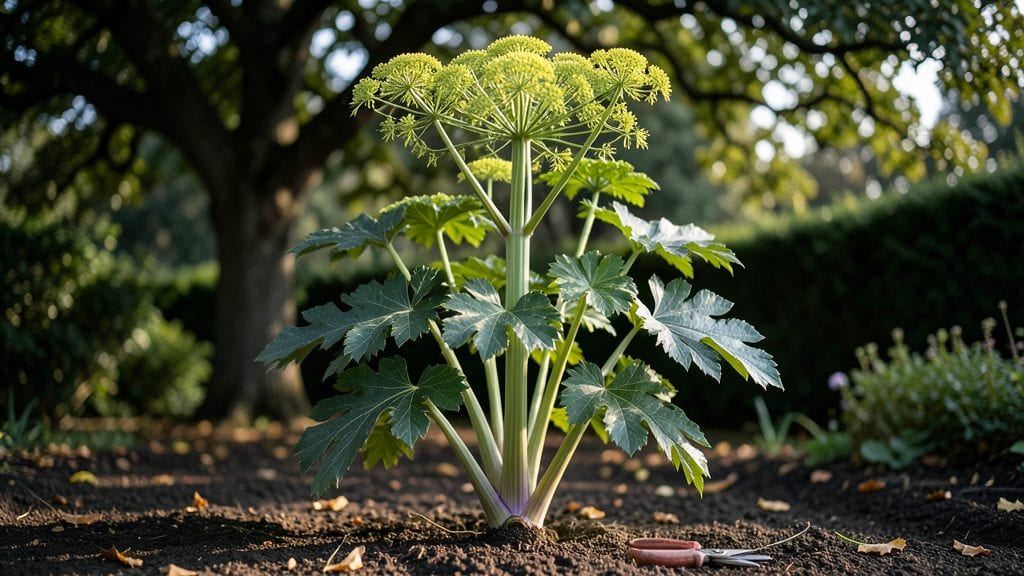
Growing garden lovage plants is like cultivating a hardy, multi-purpose workhorse for your garden. 🌿 This towering perennial thrives where many herbs fail, offering both culinary value and pollinator support with minimal fuss.
I planted mine three years ago, and it’s now the most resilient plant in my yard—surviving drought, poor soil, and even my occasional neglect.
The secret lies in its adaptability: lovage handles full sun to partial shade and tolerates almost any soil as long as it’s well-draining.
Start with seeds or divide established plants in early spring, and within a season, you’ll have lush, 6-foot stalks that attract bees and butterflies while providing fresh stems for soups and stocks. Water consistently the first year to establish roots, but after that, it’s nearly drought-proof.
By midsummer, you’ll be harvesting fragrant stems and leaves that taste like a cross between celery and parsley. The plants keep producing well into fall, and the roots even make a great substitute for celery in winter cooking.
Plus, deer and rabbits leave it alone—unlike most of my other herbs. This is the one plant that just keeps giving.
Perfect for cottage gardens, pollinator-friendly plots, or even as a privacy screen in sunny borders. Once established, lovage spreads gently, making it ideal for filling gaps without becoming invasive. Here’s how to get yours thriving from day one—no green thumb required.
📚 In This Guide
- What you need
- Instructions
- Tips and common mistakes
- Wrapping up and next steps
What you need
- ● Seeds or Plant: 1–3 Levisticum officinale seeds (if starting from scratch) or
- ● 1–2 nursery-grown lovage plants (for faster growth)
- ● Soil: Well-draining, fertile soil (pH 6.0–7.5)
- ○ Compost or aged manure (1–2 gallons per planting hole) 💡 Optional but recommended for nutrient boost
- ● Sunlight: Full sun to partial shade (6+ hours of sunlight daily)
- ● Watering: Watering can or hose with a gentle spray nozzle
- ● Tools: Trowel or small shovel
- ○ Garden gloves (optional but helpful)
- ● Measuring tape or ruler (for spacing)
- ● Mulch (straw or shredded leaves) to retain moisture
- ● Organic fertilizer (balanced 10-10-10 or compost tea)
- ● Plant markers (to track lovage in your garden)
- ● Row cover or shade cloth (if in extreme heat)
Step-by-Step instructions for planting and growing garden lovage
This hardy perennial thrives with minimal fuss—here’s how to get it established strong.
🌱 Step 1: Select the Perfect Spot and Prepare the Soil
Garden lovage loves full sun but tolerates partial shade, making it versatile for most gardens. Choose a location with at least 6 hours of sunlight daily for the best growth and flavor. The plant’s deep roots appreciate well-draining soil, so avoid heavy clay unless you amend it with compost.
Before planting, loosen the soil to a depth of 12 inches to encourage root spread. Mix in 2-3 inches of compost to enrich the soil naturally. Lovage thrives in average garden soil but grows even better with a little extra organic matter. If your soil is sandy, add a bit more compost to help retain moisture.
🪴 Step 2: Plant Bare-Root or Container-Grown Lovage
If you’re planting bare-root lovage, soak the roots in water for 1-2 hours before transplanting to revive them. Dig a hole twice as wide as the root ball but only as deep as the container’s base—planting too deep can suffocate the plant. Gently place the lovage in the hole, ensuring the crown sits just above soil level.
For container-grown plants, remove it from the pot and loosen any tangled roots. Backfill the hole with soil, pressing lightly to eliminate air pockets. Water deeply right after planting to help the roots settle into their new home. Space plants 3-4 feet apart to allow for their large, spreading growth habit.
💧 Step 3: Water Deeply and Establish a Routine
Water newly planted lovage thoroughly to encourage root growth, aiming for 1 inch of water per week. During the first growing season, keep the soil consistently moist but not soggy—lovage dislikes waterlogged roots. Once established, it becomes quite drought-tolerant, but regular watering ensures robust growth.
Mulch around the base with 2-3 inches of organic mulch (like wood chips or straw) to retain moisture and suppress weeds. This also keeps the soil temperature stable, which lovage appreciates. Avoid piling mulch directly against the stems to prevent rot.
☀️ Step 4: Provide Minimal Care for Long-Term Success
Lovage is a low-maintenance perennial, but it benefits from occasional feeding. In early spring, apply a balanced, slow-release fertilizer to support new growth. Avoid heavy fertilizers, as lovage prefers leaner soil. Prune back any dead or yellowing leaves in early spring to encourage fresh, vigorous foliage.
By late summer, you can harvest leaves and stems for culinary use, but avoid cutting more than one-third of the plant at a time. This ensures the plant remains strong for future harvests. Lovage spreads slowly via underground runners, so you may need to divide clumps every 3-4 years to prevent overcrowding.
✂️ Step 5: Protect and Maintain for Years of Growth
In colder climates, lovage may die back to the ground in winter but regrows from the roots in spring. In milder regions, it stays evergreen. If you experience harsh winters, add a 2-3 inch layer of mulch in late fall to insulate the roots. Lovage is generally pest- and disease-resistant, but watch for aphids or slugs—handpick or use organic controls if needed.
This hardy perennial will reward you with years of lush foliage, aromatic stems, and pollinator-friendly blooms. With minimal effort, lovage becomes a staple in both the garden and the kitchen—its leaves and stems are perfect for soups, stews, and teas.
Tips & tricks for perfect garden lovage growth
These simple tricks will help you establish garden lovage that thrives for years with minimal effort.
The Sunlight Factor: While lovage tolerates partial shade, I've found that giving it those 6 hours of sunlight daily makes a noticeable difference in flavor and growth vigor. If your garden has afternoon shade, consider planting lovage in the sunniest spot available—it'll reward you with more robust stems and aromatic leaves.
Soil Preparation Secret: That 12-inch deep soil loosening in Step 1 is crucial for lovage's deep roots. I like to add a bit more compost (up to 4 inches in sandy soil) to really give those roots room to spread. The extra organic matter helps retain moisture without making the soil too dense.
Root Revival Technique: When planting bare-root lovage, don't skip that 1-2 hour soaking—it makes all the difference. I've seen roots that looked completely dried out come back to life after this simple step. Just be sure to plant immediately after soaking so the roots don't dry out again.
Mulching Wisdom: The 2-3 inch mulch layer** you add helps regulate soil temperature and moisture, but here's what nobody tells you—refresh that mulch every spring. Over time, mulch breaks down and loses its effectiveness. I use a mix of wood chips and straw for best results, keeping it 2-3 inches thick but never touching the stems.
Pro Tips for Garden Lovage Plants
- These simple tricks will help you establish garden lovage that thrives for years with minimal effort.
- The Sunlight Factor: While lovage tolerates partial shade, I've found that giving it those 6 hours of sunlight daily makes a noticeable difference in flavor and growth vigor.
- Soil Preparation Secret: That 12-inch deep soil loosening in Step 1 is crucial for lovage's deep roots.
Frequently asked questions
Is garden lovage easy to grow for beginners?
Lovage thrives in most soil types and is drought-tolerant once established. It spreads slowly, so it’s low-maintenance—just give it full sun to partial shade and water occasionally. Perfect for first-time herb gardeners!
How long does it take for lovage to become established?
Lovage is a slow starter but rewards patience. Seeds may take 2–3 weeks to germinate, and plants won’t reach full maturity (harvestable size) until 2–3 years. Once established, it’s a perennial powerhouse that comes back yearly.
Can I grow lovage in containers?
Yes! Lovage adapts well to large containers (at least 12–18 inches deep) with good drainage. Use a well-draining potting mix and place it in full sun. Just note: it may need annual repotting due to its spreading roots.
Does lovage attract pests or diseases?
Generally pest-resistant, but watch for aphids or leaf spot in humid climates. Improve airflow and avoid overhead watering. If needed, neem oil or companion planting with basil can help. Lovage is also pollinator-friendly!
What’s a good substitute if lovage isn’t available?
For culinary use, try celery root (celeriac) or fennel for a similar anise-like flavor. For ornamental gardens, Angelica or giant hogweed (with caution—it’s invasive!) offer a similar height and texture.
Wrapping up and next steps
Garden lovage is a fantastic addition to any culinary or pollinator-friendly garden—its hardy nature, versatility, and benefits for both bees and your kitchen make it a true standout.
Whether you’re growing it for its anise-like flavor, ornamental foliage, or ecological perks, this perennial is a low-maintenance, high-reward choice. Now that you’re equipped with the know-how, why not plant a few this season and enjoy the rewards for years to come? 🌱
Next steps:
- Pick a sunny spot in your garden or container and get planting!
- Experiment with lovage in soups, teas, or pest-control remedies.
- Share your harvest with fellow gardeners—lovage thrives with companions!