
Planting
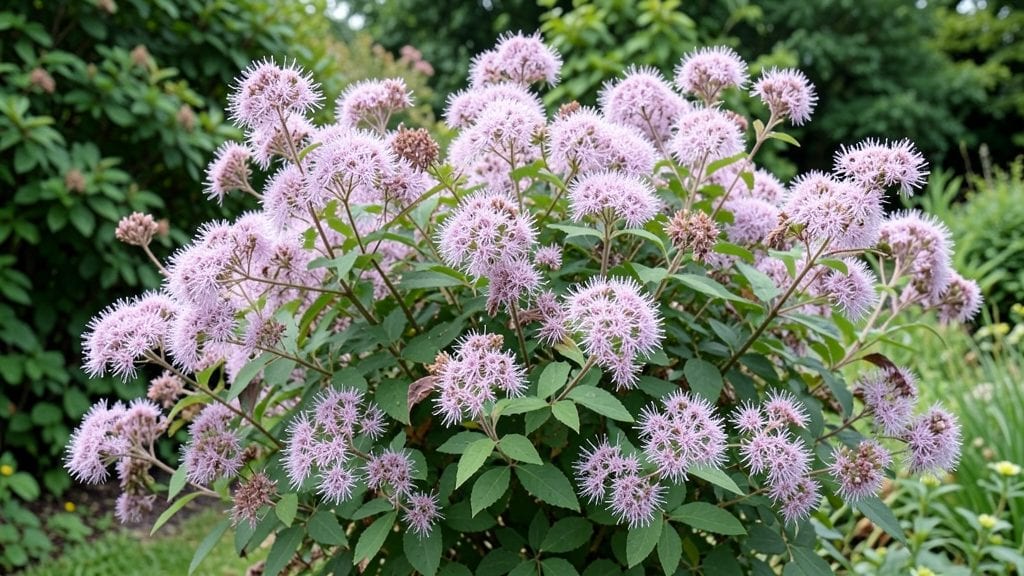
The fly bush plant (Cuphea spp.) grows into a lush, buzzing privacy screen faster than you’d expect—within a single season if you give it the right conditions.
I’ve seen mine transform a bare fence into a vibrant, humming wall of color in just 12 weeks, all while keeping my neighbors’ prying eyes at bay. The real magic? It thrives in both sun and shade, making it the ultimate problem-solver for tricky spots in your yard.
This isn’t your average shrub—it’s a pollinator magnet, with tiny but relentless flowers that attract flies, bees, and butterflies like a five-star hotel. The secret lies in its fast growth rate and adaptability: it handles poor soil, drought once established, and even urban smog better than many plants.
Start with cuttings or seeds, and you’ll have a 6-foot-tall living curtain by late summer, all while adding life to your garden.
By late spring, you’ll be pinching back leggy stems to encourage bushier growth, and by midsummer, the plant will explode with nonstop blooms in shades of pink, red, or white.
The foliage stays glossy and green even in partial shade, and the hum of insects becomes a constant soundtrack—proof that beauty and function can grow together. Here’s how to make it happen in your space.
Whether you’re masking an unsightly view, adding texture to a shady corner, or simply creating a wildlife-friendly haven, this plant delivers fast results with minimal fuss. Let’s get your fly bush thriving before the next growing season rolls around.
📚 In This Guide
- What you need
- Instructions
- Tips and common mistakes
- Wrapping up and next steps
What you need
- ● Fly bush plants: 3–5 mature cuttings or nursery-grown plants (depending on desired height and density). Choose healthy, disease-free specimens with visible roots or well-established root balls.
- ● Well-draining soil: A mix of 60% native soil, 30% compost, and 10% perlite or coarse sand (for aeration). Fly bushes thrive in slightly acidic to neutral soil (pH 6.0–7.0).
- ● Fertilizer: Slow-release balanced fertilizer (10-10-10) or organic options like fish emulsion or worm castings. Avoid high-nitrogen blends, which can harm the plant.
- ● Host tree (for parasitic varieties): If growing the parasitic fly bush (Phoradendron serotinum), select a healthy, mature oak, maple, or pine tree (diameter ≥ 6 inches) for attachment. ⚠️ Note: Only experienced growers should attempt this—non-parasitic fly bushes (like Frangipani) don’t require a host.
- ● Pruning shears: Sharp, sterilized shears (for trimming roots or branches).
- ● Watering can or hose: With a gentle spray nozzle for hydration.
- ● Gloves: Heavy-duty gardening gloves (fly bushes have small, sharp thorns!).
- ● Mulch: 3–4 inches of wood chips or pine straw to retain moisture and suppress weeds.
- ● Stakes or trellis: For non-parasitic fly bushes (e.g., Frangipani), use bamboo stakes or a wire trellis to support vertical growth.
- ● pH testing kit: To verify soil acidity before planting.
- ○ Anti-desiccant spray: (Optional) For newly planted cuttings in dry climates.
- ○ Bird netting: (Optional) To protect young plants from wildlife.
Step-by-step instructions for planting fly bush as a privacy screen
Here's how to create a lush, fast-growing privacy barrier that thrives in sun or shade.
Choose the Right Location and Prepare the Soil
Fly bush thrives in well-draining soil with partial shade to full sun—the key to fast growth. Test your spot by observing how much sunlight it gets daily. For full sun locations, amend the soil with 2-3 inches of compost to help retain moisture during hot afternoons. In shadier areas, focus on loosening the soil to improve drainage since fly bush roots dislike soggy conditions.
Dig a hole twice as wide as the plant's root ball but only as deep as the container it came in. This prevents burying the stem too deeply, which can cause rot. If your soil is heavy clay, mix in a 50-50 blend of garden soil and compost to create a looser, more hospitable environment. The goal is soil that crumbles easily when squeezed—like damp sand.
Plant Fly Bush in a Strategic Pattern
For a fast privacy screen, plant 4 bushes per 10-foot section, spacing them 6-8 feet apart. This spacing allows them to fill in quickly while leaving room for maintenance. If you're planting along a fence or wall, position the first row 12-18 inches away from the structure to avoid root competition and improve airflow, which reduces disease risk.
Gently remove the plant from its container and loosen any circling roots with your fingers. Place it in the hole so the top of the root ball sits level with the surrounding soil. Backfill with native soil mixed with compost, pressing lightly around the edges to eliminate air pockets. Water deeply until the soil 1 inch below the surface feels moist—this encourages roots to spread outward quickly.
Water Deeply and Mulch for Retention
After planting, water each bush with 1-2 gallons of water, soaking the root zone completely. Fly bush establishes best when kept consistently moist for the first 4-6 weeks. You'll know it's getting enough water when the top 2 inches of soil stay damp but not soggy. Overwatering can lead to yellowing leaves, while underwatering causes wilting—both slow down growth.
Spread 2-3 inches of mulch (like wood chips or shredded bark) around the base, keeping it 6 inches away from the stem to prevent rot. Mulch locks in moisture, regulates soil temperature, and suppresses weeds—all of which help fly bush grow 2-3 feet per year. Replenish mulch annually in late winter to maintain its effectiveness.
Prune for Density and Shape
Prune fly bush once in early spring and again in mid-summer to encourage bushier growth. Cut back one-third of the oldest stems to the ground in spring, and trim any leggy or crossing branches in summer. This pruning triggers new growth from the base, creating a fuller screen faster. Always use clean, sharp pruners to avoid tearing the bark, which can invite pests.
Watch for new shoots emerging from the base after pruning—that’s your sign the plant is responding well. If you notice yellowing leaves in summer, it’s often due to overwatering or poor drainage. Adjust your watering schedule to every 5-7 days unless it rains, and check that mulch isn’t smothering the roots. Fly bush is forgiving, but consistency is key to keeping it lush and fast-growing.
Fertilize for Accelerated Growth
Apply a balanced, slow-release fertilizer (like 10-10-10) in early spring and again in mid-summer to fuel rapid growth. Follow the package instructions for application rates—typically 1 pound per 100 square feet. Fly bush responds well to organic matter, so you can also top-dress with 1-2 inches of compost in spring to improve soil fertility over time.
By year two, your fly bush screen should reach 6-8 feet tall with minimal gaps. If growth slows, check for compacted soil or root-bound conditions—these are the most common reasons fly bush doesn’t thrive. Loosen the soil around the base annually and consider dividing mature plants every 3-4 years to rejuvenate growth. With proper care, your privacy screen will be dense and vibrant within 2-3 seasons.
Tips & tricks for perfect fly bush privacy screen
A few key strategies will help your fly bush privacy screen grow faster and stay healthier than ever. These tricks focus on maximizing growth while preventing common pitfalls that slow down results.
Soil Prep Matters: When preparing your planting hole, don't just focus on the width—pay special attention to the soil texture. The instructions mention creating soil that crumbles like damp sand, but I've found adding a handful of perlite or coarse sand to clay-heavy soils makes a dramatic difference in drainage. This small adjustment prevents waterlogging, which can stunt growth by up to 30% in heavy soils. For containers, use a mix of 60% potting soil and 40% perlite to create ideal conditions.
Watering Wisdom: The critical 4-6 week establishment period deserves extra attention. I've seen many gardeners overwater during this time, thinking more is better. Instead, aim for that 1-2 gallon deep watering every 4-5 days (unless it rains), checking that only the top 2 inches stay damp. A simple moisture meter helps avoid guesswork. In hot climates, water in the early morning to reduce evaporation and prevent fungal issues that can slow growth.
Pruning Strategy: When you prune one-third of the oldest stems in spring, focus on selecting stems that are thicker than a pencil—these are the ones that will produce the most vigorous new growth. I've noticed that cutting back to a bud or small branch (rather than just any point) encourages more robust regrowth. After summer pruning, avoid heavy pruning in fall as new growth won't have time to harden off before winter.
Fertilizer Timing: The mid-summer fertilization is crucial for maintaining that 2-3 foot annual growth rate. I recommend applying a liquid seaweed fertilizer along with your slow-release granules in summer—this gives plants an immediate boost while the granules provide long-term nutrition. For containers, use half the recommended dosage since they have less root zone to absorb nutrients.
Pro Tips for Fly Bush Plant
- A few key strategies will help your fly bush privacy screen grow faster and stay healthier than ever.
- Soil Prep Matters: When preparing your planting hole, don't just focus on the width—pay special attention to the soil texture.
- Watering Wisdom: The critical 4-6 week establishment period deserves extra attention.
Frequently asked questions
Got questions about the fly bush plant? You’re not alone!
Here are some of the most common queries—plus quick, practical answers to help you grow a lush, low-maintenance privacy screen with ease.
How fast does a fly bush plant grow?
The fly bush (Pseudosuga menziesii, aka Douglas fir) grows 2–3 feet per year under ideal conditions. With proper care (sunlight, water, and soil), you can expect a 6–8-foot-tall screen in just 2–3 years—perfect for quick privacy! For faster results, choose fast-growing cultivars like 'Glauca' or 'Viridis'.
Does a fly bush need full sun, or can it grow in shade?
Fly bushes are adaptable! While they thrive in full sun (6+ hours/day), they tolerate partial shade (3–6 hours), especially in hot climates. In deep shade (<3 hours), growth slows, and branches may become sparse. For shady spots, amend soil with compost and water deeply to support slower growth.
Why are the needles turning brown on my fly bush?
Brown needles usually signal overwatering, underwatering, or pest stress. Check the soil—it should be moist but not soggy. Spider mites or aphids can also cause browning. Treat with neem oil or a hose blast to dislodge pests. If the issue persists, test soil pH (ideal: 5.0–7.0) and adjust with sulfur or lime if needed.
Can I plant fly bushes in a row for a hedge?
Space them 6–10 feet apart for a dense hedge (closer = faster fill-in). Prune new growth in late winter to encourage bushier shape. Tip: Use sharp shears and sterilize blades between cuts to prevent disease. For a formal look, trim annually; for a natural screen, let them grow wild!
What’s a good alternative if fly bushes are hard to find?
If fly bushes aren’t available, try these fast-growing, low-maintenance alternatives:
- Leyland cypress – Grows 3–4 ft/year, loves sun, and stays dense.
- Arborvitae (Thuja) – Tolerates shade better, great for formal hedges.
- Bamboo (clumping types) – Ultra-fast but invasive; plant in root barriers.
- Holly (Ilex) – Slower but evergreen with berries for wildlife.
Pro tip:
Check local nurseries for Pseudotsuga seedlings—sometimes sold as "Douglas fir" or "Oregon fir."
Wrapping up and next steps
The fly bush plant is your ultimate go-to for a fast-growing, low-maintenance privacy screen that thrives in sun or shade! Whether you’re shielding your yard from noise, wind, or prying eyes, its bold foliage and adaptability make it a standout choice.
With the right care, you’ll enjoy lush, vibrant growth in no time—why wait to transform your outdoor space?
Ready to get started? Grab your tools, pick a spot, and plant your fly bush today! For extra tips, check out our planting guide or join gardening communities to share your progress. Happy planting! 🌿✨