
Tools
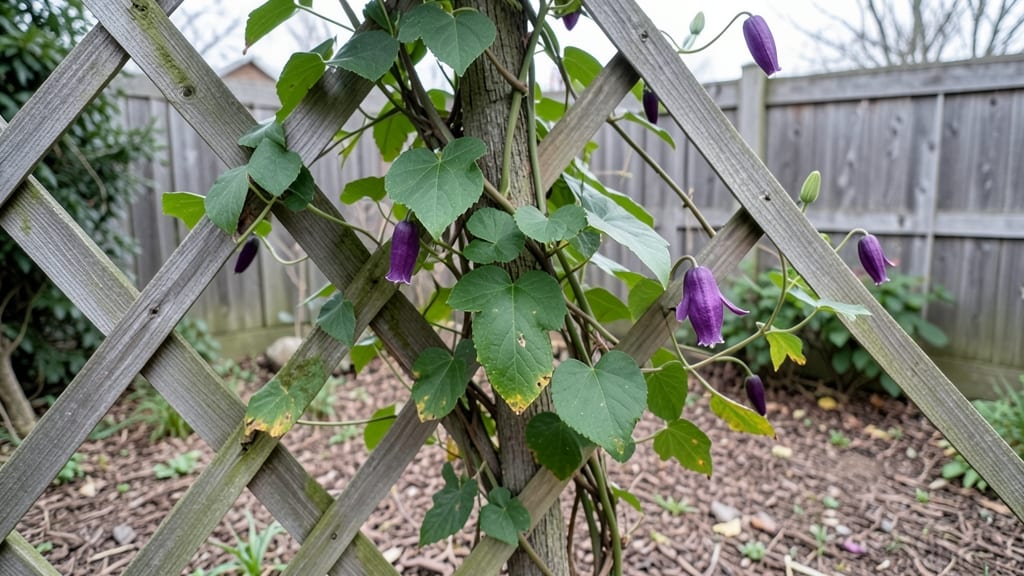
My evergreen trellis plants transformed my yard from a flat, boring space into a lush, year-round privacy screen—no more peeking neighbors or winter bare spots. 🌿 The trick is choosing the right climbers like ivy, clematis, or ornamental grasses that stay green through frost and pair them with sturdy trellises that won’t sag under their weight.
You’ll need a trellis tall enough for your space—6 to 10 feet works for most yards—and plants that match your sunlight. A 5-gallon pot of ivy or a bare-root clematis gives you a head start, and the setup takes just 30 minutes to install.
The best part? These plants grow fast, filling gaps within a season while keeping your yard looking intentional.
Imagine walking past a wall of glossy ivy in winter, or the delicate blooms of clematis climbing toward the sky in spring. With evergreen trellis plants, your garden stays vibrant even when everything else is dormant.
They also soften hard lines, add height to small spaces, and create a cozy, enclosed feel—like a secret garden you designed yourself.
Works for city balconies, suburban backyards, or rural borders—just adjust the trellis size to your needs. Start small with one section, then expand as you see how it transforms your space. Ready to grow up?
📚 In This Guide
- What you need
- Instructions
- Tips and common mistakes
- Wrapping up and next steps
What you need
- ● Trellis structure: 1–2 sturdy trellises (metal, wood, or PVC) measuring at least 6–8 feet tall and 4–6 feet wide (adjust based on space).
- ● Evergreen plants: 3–5 climbing evergreens like English Ivy (Hedera helix), Star Jasmine (Trachelospermum jasminoides), or Climbing Hydrangea (Hydrangea petiolaris). Choose 3–5 plants per trellis for full coverage.
- ● Potting soil: 2–3 bags of well-draining, organic potting mix (10–15 cubic feet total).
- ● Containers or planters: 1–2 large pots (15–20 gallons each) with drainage holes, or fabric grow bags for flexibility.
- ● Basic gardening tools: 1 trowel or hand shovel
- ● 1 pair of pruning shears
- ○ 1 garden gloves (optional but recommended!)
- ● Watering supplies: 1 watering can (2–3 gallons) or a drip irrigation kit for efficiency.
- ● Mulch: 1 bag of organic mulch (e.g., shredded bark) to retain moisture and suppress weeds.
- ● Fertilizer: Slow-release balanced fertilizer (10-10-10) or compost for nutrient-rich soil.
- ● Support ties: Soft plant ties or jute twine to secure young vines to the trellis.
- ● Decorative elements: Solar-powered lights, lattice panels, or weather-resistant paint to customize your trellis.
- ● Soil additives: Perlite or vermiculite (1–2 cups) to improve drainage.
How to choose and train evergreen trellis plants for year-round privacy
Here's how to select and cultivate evergreen climbers that thrive vertically while keeping your space lush all year.
🌱 Step 1: Select Fast-Growing Evergreen Varieties
Start with English ivy (Hedera helix) or Boston ivy (Parthenocissus tricuspidata)—both grow 12-15 feet per season and stay green through winter. I also recommend Star Jasmine (Trachelospermum jasminoides) for its glossy leaves and fragrant flowers, though it’s semi-evergreen in colder zones. Check your hardiness zone first; some evergreens yellow in freezing temps.
Buy 3-4 gallon container plants (not cuttings) for established root systems that climb faster. Look for vines with multiple stems—this ensures thicker coverage sooner. Avoid leggy plants; their weak stems struggle to support weight as they grow vertically.
🪴 Step 2: Install a Sturdy Trellis System
Use a metal or wooden trellis at least 6 feet tall with horizontal crossbars spaced 12 inches apart. I’ve found that powder-coated metal resists rust and lasts decades, while untreated wood needs sealing every 2 years. Secure the trellis to a fence, wall, or freestanding post with galvanized screws—these won’t corrode when vines cling to them.
Position the trellis in full sun to partial shade (6+ hours of light daily). Evergreens like ivy tolerate shade but grow slower, so place it where you’ll see foliage year-round. If installing near a house, leave 6 inches of clearance between the trellis and siding to prevent moisture buildup that leads to mold.
💧 Step 3: Plant and Train Vines Immediately
Dig a hole twice as wide as the root ball but only as deep as the container’s base. Place the plant so the top of the root ball sits 1 inch below soil level—this prevents stem rot from poor drainage. Amend the native soil with 3 gallons of compost mixed into the backfill to encourage root spread.
Train the main stems up the trellis using soft plant ties (never wire, which cuts into bark). I weave the vines through the crossbars every 6-8 inches as they grow. Water deeply once a week until established, then taper to every 10-14 days once roots spread beyond the planting hole. Mulch with 2 inches of shredded bark to retain moisture and suppress weeds.
✂️ Step 4: Prune for Density and Health
Trim back overly long vines in early spring to encourage bushier growth. Cut just above a leaf node (the bump where leaves attach) to redirect energy into new shoots. I remove no more than 25% of the plant’s volume in one season—aggressive pruning stresses evergreens and can leave bare spots.
Watch for yellowing leaves in winter—they’re normal if the rest of the plant stays green. If entire branches die back, prune them to the nearest healthy growth. Deadhead spent flowers on Star Jasmine to redirect energy into leaf production. Fertilize lightly in early spring with a balanced 10-10-10 formula to support vertical growth.
☀️ Step 5: Winterize for Cold Climates
In zones below 6, wrap young plants with burlap during hard freezes to protect tender new growth. Mature ivy and Boston ivy handle down to zone 4, but add 2-3 inches of mulch around the base in late fall to insulate roots. Avoid heavy snow buildup on trellises—it can snap weak stems. Gently brush off accumulation with a broom.
Evergreens lose some moisture in winter, so water monthly if the ground stays frozen (check with a trowel—if it’s hard, hold off). Come spring, prune any brown, brittle branches that didn’t recover. This keeps the trellis looking full and healthy for the next growing season.
Tips & tricks for perfect evergreen trellis plants
Want your vertical garden to look lush and healthy year after year? Here are the key tricks I’ve learned from years of growing evergreen climbers that keep their color and coverage through all seasons.
Variety Matters: In Step 1, when selecting your evergreen climbers, don't just pick one variety. Pair English ivy with Boston ivy for a mix of textures and growth habits. The ivy's glossy leaves contrast beautifully with Boston ivy's coarser foliage, creating visual interest while maintaining that dense privacy screen. For a fragrant option, add Star Jasmine—just remember it's semi-evergreen, so it won't provide full coverage in colder zones.
Trellis Placement Secrets: When installing your trellis in Step 2, pay attention to microclimates. The south or west side of your property gets more sun, which is ideal for faster growth, but can also mean more watering. I've found that positioning the trellis slightly to the east of a sunny spot creates a perfect balance—enough light for growth without the extreme heat that can stress plants. Also, avoid placing it directly against a wall without that 6-inch clearance; I learned this the hard way when mold started growing on my siding!
Root Development Strategy: In Step 3, that 3 gallons of compost isn't just filler—it's a game-changer for root spread. Mix it thoroughly with the native soil to encourage those roots to spread beyond the planting hole. I've seen plants with established root systems grow twice as fast because they can access more water and nutrients. After planting, gently press the soil around the roots to eliminate air pockets, which helps the plant establish itself more quickly.
Pruning Precision: When you're ready to prune in Step 4, focus on creating a natural, layered look rather than just trimming back growth. Cut just above a leaf node at a slight angle to encourage new growth from that point. I've found that pruning in early spring, just as new growth begins, gives the plant time to fill out before winter. Never remove more than 25% of the plant's volume at once—this keeps it healthy and prevents those unsightly bare spots that can develop when plants are stressed.
Pro Tips for Evergreen Trellis Plants
- Want your vertical garden to look lush and healthy year after year?
- Variety Matters: In Step 1, when selecting your evergreen climbers, don't just pick one variety.
- Trellis Placement Secrets: When installing your trellis in Step 2, pay attention to microclimates.
Frequently asked questions
Got questions about evergreen trellis plants? You’re not alone—growing vertical privacy screens takes planning! Here are answers to the most common queries to help you get started with confidence.
What are the best evergreen plants for trellises in cold climates?
For three-season coverage, opt for hardy evergreens like English ivy (Hedera helix), climbing hydrangea (Hydrangea petiolaris), or winter creeper (Euonymus fortunei). These tolerate frost and maintain lush foliage through winter. Pair them with deciduous vines (e.g., clematis) for year-round interest.
How long does it take for a trellis plant to provide full privacy?
Most evergreen trellis plants grow 1–3 feet per year, so expect partial coverage in 1–2 years and full privacy in 3–5 years, depending on the species. Fast growers like star jasmine (Trachelospermum jasminoides) can reach 10+ feet in 3–4 years with proper care.
Can I use a trellis on a fence or just freestanding structures?
Trellises work on fences, walls, arbors, or pergolas—just ensure they’re sturdy enough to support climbing plants. For fences, use metal or wooden lattice panels secured with screws. Freestanding trellises (like A-frame or obelisk designs) are great for standalone privacy screens but may need stakes or guy wires in windy areas.
Why is my evergreen trellis plant turning brown or dropping leaves?
Brown leaves or leaf drop often signal underwatering, overwatering, or root issues. Check soil moisture (top 1–2 inches should be dry), ensure proper drainage, and avoid soggy roots. Fungal diseases (like powdery mildew) can also strike—prune affected areas and apply neem oil if needed. Evergreens may also shed old leaves naturally in spring.
Are there low-maintenance evergreen trellis alternatives?
Yes! If you want minimal upkeep, try:
For fastest results, combine climbing roses (deciduous) with evergreens like cherry laurel (Prunus laurocerasus).
Wrapping up and next steps
Transforming your outdoor space with evergreen trellis plants isn’t just about aesthetics—it’s a year-round investment in privacy, beauty, and even property value. 🌿 From climbing ivy to sturdy bamboo, these plants offer a lush, green solution that thrives in three seasons, blending effortlessly with your landscape.
Whether you’re a seasoned gardener or a beginner, the key is starting small, choosing the right plants for your climate, and letting nature do the heavy lifting.
Ready to take the next step? Sketch a quick design of your trellis layout, pick one or two evergreen varieties from this guide, and grab your tools—your future privacy screen is just a few plants away! 🌱