Pruning
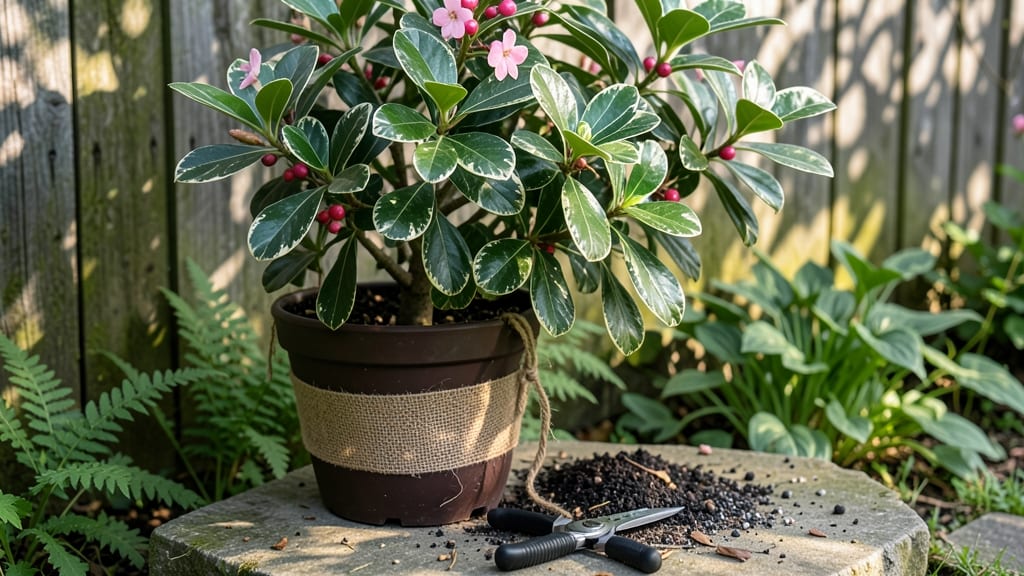
Euonymus pruning transforms tangled shrubs into neat, sculpted plants that look like they belong in a botanical garden. 🌿 I’ve spent years pruning these tough shrubs, and the secret to keeping them tidy isn’t complicated—it’s about timing and three simple cuts.
The right approach keeps them dense, healthy, and free of that "wild hedge" look that makes neighbors do a double-take.
You’ll need just three tools: sharp pruning shears for clean cuts, loppers for thicker branches, and gloves to protect your hands from those sharp edges. The best time to prune is late winter or early spring, right before new growth starts.
This gives you a clean slate to shape the plant while it’s still dormant, and you’ll avoid stressing it during hot summer months. For rejuvenation pruning, you can also take a few cuts back in late summer, but keep it light.
After pruning, your euonymus will bounce back with fresh, vibrant growth within weeks. The key is to cut just above a leaf node or bud, making the cuts at a 45-degree angle to prevent water from pooling.
Water the plant well afterward, and hold off on heavy fertilizing until new growth appears. With these cuts, your shrub will stay compact, full, and ready for next year’s pruning—no more struggling with overgrown branches or sparse foliage.
This method works for both evergreen and deciduous euonymus, whether you’re dealing with Euonymus japonicus or the winged types like Euonymus alatus. The same principles apply, so you can use this approach for hedges, topiary, or even small trees.
Once you master these three cuts, your euonymus will look like it was designed by a pro—and with minimal effort.
📚 In This Guide
- What you need
- Instructions
- Tips and common mistakes
- Wrapping up and next steps
What you need
- ● Bypass pruners: Sharp, high-quality pruners (e.g., Felco or Fiskars) for clean cuts on small to medium stems (2–10 mm thick). Quantity: 1 pair.
- ● Loppers: Long-handled bypass loppers for thicker branches (10–25 mm). Quantity: 1 pair.
- ● Hand saw: Pruning saw with a fine-tooth blade for stubborn, woody stems (>25 mm). Quantity: 1.
- ● Disinfectant: 70% isopropyl alcohol or a garden disinfectant (e.g., 10% bleach solution) to sterilize tools between cuts. Quantity: Small bottle.
- ● Gloves: Heavy-duty gardening gloves (nitrile-coated for grip and protection). Quantity: 1 pair.
- ○ Pruning sealant: Optional but helpful for large cuts (>25 mm) to prevent disease (e.g., Tanglefoot Tree Wound Pruning Seal). Quantity: Small tube.
- ● Ladder or stool: For reaching taller or overhead branches. Height: Adjustable to 6+ ft.
- ● Trash bags or bucket: For collecting pruned debris. Quantity: 1–2.
- ● Sharpie or marker: To label branches if training for specific shapes (e.g., "cut here next year"). Quantity: 1.
- ● Hedge shears: For manicuring dense, formal hedges (e.g., Euonymus japonicus). Quantity: 1 pair.
- ● Extension pole pruners: For high branches without a ladder. Reach: 8–12 ft.
- ● Plant food: Balanced fertilizer (e.g., 10-10-10) to nourish the plant post-pruning. Quantity: Small bag.
- ● Mulch: Organic mulch (e.g., shredded bark) to protect roots after heavy pruning.
- ● Camera or sketchpad: To document your pruning plan before making cuts!
Instructions for pruning euonymus to maintain year-round shape
Here’s the straightforward method I use to keep euonymus bushes dense, healthy, and beautifully shaped—no guesswork involved.
✂️ Step 1: Prune for Structure in Late Winter or Early Spring
Start by removing any dead, diseased, or crossing branches first. Use sharp, clean pruners to make cuts at a 45-degree angle just above a leaf node or outward-facing bud. This ensures new growth emerges in the right direction. I always prune when the plant is still dormant but before new buds swell—usually in late February to early March in most climates.
Focus on thinning out the center to improve airflow. Euonymus can get congested, and that’s when pests and diseases move in. Aim to remove about one-third of the oldest stems to encourage fresh, vigorous growth. You’ll know you’ve done well when you can see light filtering through the center of the bush.
✂️ Step 2: Shape During the Growing Season (Late Spring to Summer)
Once the euonymus starts actively growing, step back and assess the overall form. Use hand pruners to trim back any leggy or overgrown branches to maintain a balanced shape. Cut just above a leaf node to encourage branching. I like to do this in late May or June when the plant is putting on new growth but before it gets too woody.
Watch for branches that are growing inward or rubbing against each other—these should be pruned out completely. If a branch is too thick for hand pruners, switch to loppers and make clean cuts. The goal here is to keep the bush full and rounded, not flat or uneven.
✂️ Step 3: Light Cleanup in Fall Before Dormancy
In late September to early October, give your euonymus a final trim to remove any dead or damaged growth from the summer. This isn’t about shaping—just tidying up. Cut back any branches that have grown too long or look weak. Avoid heavy pruning now, as the plant needs time to harden off before winter.
I also remove any seed pods if they’re unsightly, as they can look messy once they turn colorful. Just pinch them off with your fingers—no tools needed. This keeps the plant looking polished while letting it focus on storing energy for next year.
✂️ Step 4: Sanitize Tools and Monitor for Stress
After every pruning session, wipe your tools with rubbing alcohol to prevent the spread of disease. Euonymus is generally tough, but bacteria and fungi can still take hold if tools aren’t clean. I keep a small bottle of alcohol in my gardening toolkit for quick sanitation between cuts.
If you notice any yellowing leaves or wilting after pruning, it’s usually a sign of stress from over-pruning. Don’t panic—just give the plant a deep watering and hold off on any more cuts until it recovers. Healthy euonymus should bounce back within a few weeks.
Tips & tricks for perfect euonymus plant pruning
Keeping your euonymus looking its best year-round takes just a few smart strategies—and avoiding these common pitfalls makes all the difference.
Timing is Everything: The late February to early March window for Step 1 is critical because pruning too early can stimulate unwanted growth before the plant is ready, while waiting too long risks missing the dormant period. If you're in a warmer climate, adjust by about two weeks later—just make sure buds haven't started swelling yet. I've learned this the hard way after seeing plants struggle when pruned at the wrong time.
Tool Precision Pays Off: That 45-degree angle cut in Step 1 isn't just for looks—it helps water run off the cut and prevents rot. Use pruners that are sharp enough to make clean cuts without tearing the bark. For thicker branches in Step 2, loppers are your best friend, but make sure they're clean between cuts to avoid spreading disease. I keep a small bag of rubbing alcohol in my toolkit specifically for this purpose.
Visual Cues Matter More Than Dates: Instead of fixating on calendar dates, watch your plant's natural signals. In Step 2, look for new growth that's about 2-3 inches long before shaping—this means the plant is ready for the next round of pruning. The light filtering through the center after Step 1 is your best indicator of success, not just removing one-third of stems by count.
Fall Cleanup Strategy: That late September to early October timing in Step 3 is about giving your euonymus time to recover before winter. Avoid any heavy pruning now—this is strictly a tidying-up phase. If you must remove larger branches, do it in late winter instead. I've seen plants stress severely from fall pruning that was too aggressive, so always err on the side of caution during this final trim.
Pro Tips for Euonymus Plant Pruning
- Keeping your euonymus looking its best year-round takes just a few smart strategies—and avoiding these common pitfalls makes all the difference.
- If you're in a warmer climate, adjust by about two weeks later—just make sure buds haven't started swelling yet.
- Tool Precision Pays Off: That 45-degree angle cut in Step 1 isn't just for looks—it helps water run off the cut and prevents rot.
Frequently asked questions
Got questions about keeping your euonymus looking its best? Here are some common concerns—and their answers—to help you prune like a pro!
When is the best time to prune euonymus?
Euonymus is most flexible, so you can prune it year-round—just avoid heavy pruning during extreme cold or heat. For shaping, late winter or early spring (just before new growth) is ideal. Light trimming after flowering (summer) keeps it tidy without stressing the plant.
Can I prune euonymus too hard?
Yes! Over-pruning (cutting back more than ⅓ of the plant at once) can stress euonymus, leading to sparse growth or even dieback. If you’ve already trimmed too much, focus on light maintenance for a season and avoid heavy cuts until next year.
What if my euonymus isn’t growing after pruning?
Check for three key issues:
- Root health: Ensure it’s well-watered (but not soggy).
- Sunlight: Euonymus thrives in partial shade—too much sun can scorch.
- Soil: Amend compacted or poor soil with compost for better nutrient uptake.
Can I shape euonymus into a hedge?
Use three clean cuts (see our guide) to train euonymus into a hedge:
- Trim new growth to encourage bushiness.
- Shear edges in early summer for a polished look.
- Lightly shape again in fall to prep for winter.
What should I avoid when pruning euonymus?
Avoid these pruning pitfalls:
- Pruning in frost: Wait until temps are above 40°F (4°C).
- Leaving stubs: Always cut just above a leaf node or bud for cleaner regrowth.
- Ignoring disease: Sterilize tools with rubbing alcohol if your plant has powdery mildew or spots.
Wrapping up and next steps
Mastering the art of euonymus plant pruning doesn’t have to be intimidating—with the right tools, timing, and techniques, you can keep your shrubs looking stunning year-round! 🌿 Whether you’re shaping for aesthetics, health, or growth control, the key is patience and precision.
Start small, observe your plant’s response, and gradually refine your approach.
Ready to take the next step? Grab your pruners, mark your calendar for seasonal checks, and enjoy the transformation! Your euonymus will thank you with lush, vibrant foliage all year. 🌟