
Companion Plants
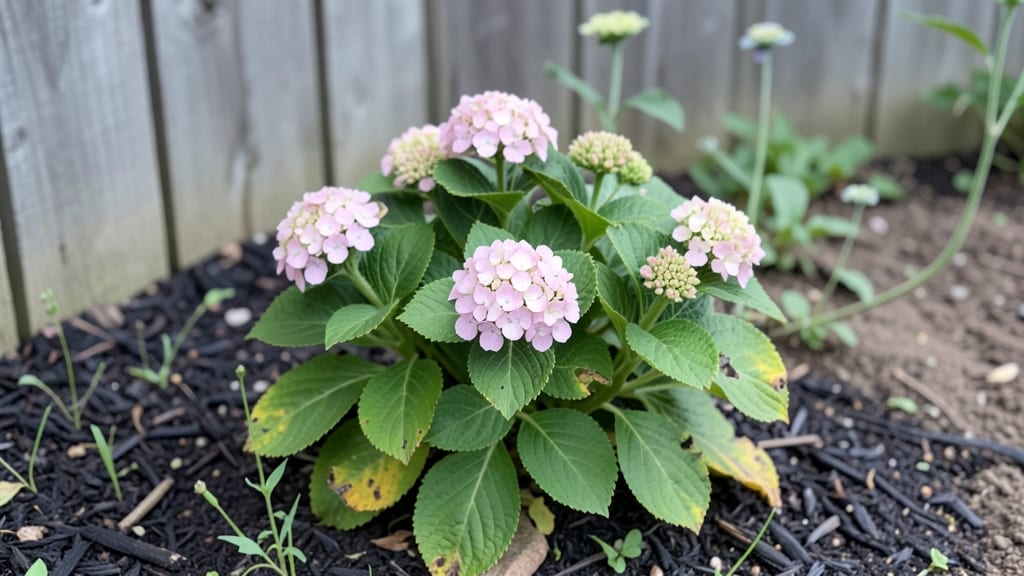
The dwarf hydrangea plants I love—like my Little Lime variety—fit in a 10-inch pot but still produce football-sized lime-green flowers all summer. The key is choosing the right variety for your climate and container size, because not all dwarf hydrangeas behave the same way.
I learned that the hard way when my first plant flopped from too much shade, but once I got the light right, it became the star of my balcony.
These plants thrive in partial shade to morning sun, with soil that drains well but stays moist—think of it as a happy medium between soggy and dry. Most beginners overwater, so I use a moisture meter to check before watering again.
A 5-gallon container works for most dwarf varieties, and adding a slow-release fertilizer at planting time keeps them blooming without fuss. The real magic happens when you pair them with trailing plants like sweet potato vine to create a lush, layered display.
By midsummer, you’ll have clusters of blooms that last for weeks, changing color as the season progresses—my Endless Summer variety shifts from pink to deep purple. The secret to keeping them productive is pruning spent blooms in early fall and giving them a light trim in late winter.
Even in small spaces, they create a wow factor that makes neighbors ask, "What are those?" and then wish they had some too.
Works equally well in window boxes, hanging baskets, or patio pots, making them perfect for renters, small yards, or anyone who wants big impact without big commitment. Here’s how to keep yours thriving all season long.
📚 In This Guide
- What you need
- Instructions
- Tips and common mistakes
- Wrapping up and next steps
What you need
- ● Dwarf hydrangea plants: Choose Hydrangea macrophylla (e.g., 'Endless Summer' or 'Mini Penny') or Hydrangea arborescens varieties like 'Annabelle' (dwarf types). Buy 3–5 plants for fuller, layered blooms.
- ● Containers (if gardening in pots): Minimum 12–15 inches in diameter (1 plant per container or 3–5 plants in a large trough).
- ● Drainage holes (non-negotiable!).
- ○ Lightweight, breathable fabric pots (optional but ideal for root health).
- ● High-quality potting mix: 1–2 bags of a well-draining mix (e.g., 60% peat/compost, 30% perlite/pumice, 10% sand). Avoid heavy garden soil.
- ● Slow-release fertilizer: 1–2 tbsp of balanced 10-10-10 or acid-loving plant fertilizer (for macrophylla types).
- ● Mulch: 2–3 inches of pine bark fines or cocoa hulls (keeps roots cool and retains moisture).
- ● Garden trowel or small shovel (for planting).
- ● Pruning shears (sterilized with rubbing alcohol).
- ● Watering can or hose with a gentle spray nozzle (dwarf hydrangeas hate soggy roots!).
- ○ pH test kit (optional but helpful—aim for 5.2–6.0 for macrophylla; 6.0–7.0 for arborescens).
- ● Glove (to protect hands from thorns and rough bark).
- ● Container saucers or trays (to catch runoff and add weight).
- ● Epsom salt (1 tbsp/month in water for macrophylla types to boost blue/purple blooms).
- ● Self-watering system (e.g., Olla pots for drought-prone areas).
- ● Decorative stakes or cages (if stems need support—though dwarf varieties are usually sturdy!).
Step-by-step guide to growing dwarf hydrangeas in containers
Here's how I keep these charming shrubs thriving in pots year after year.
Choose the Right Container and Drainage
Select a container with drainage holes at least 12 inches deep and 18 inches wide for each plant—dwarf hydrangeas need room to develop strong roots. I always use terra cotta pots because they breathe better than plastic and help prevent root rot. If your chosen container lacks drainage, drill ¼-inch holes in the bottom before planting.
Place a 2-inch layer of gravel or broken pottery in the bottom to create a reservoir for excess water. This keeps roots from sitting in soggy soil while still allowing moisture to drain properly. The gravel layer also prevents soil from clogging the drainage holes over time.
Prepare the Soil Mix for Optimal Growth
Fill the container with 3 gallons of high-quality potting mix mixed with 1 gallon of perlite to improve drainage and aeration. Dwarf hydrangeas prefer slightly acidic soil, so I add ½ cup of peat moss to the mix to maintain the proper pH between 5.5 and 6.2. This combination keeps roots healthy while preventing waterlogging.
Moisten the soil mix until it feels like a damp sponge—you should be able to squeeze it gently without water dripping out. Avoid overwatering at this stage, as compacted soil can suffocate young roots. Tap the container lightly on the table to settle the soil evenly before planting.
Plant Your Dwarf Hydrangea Correctly
Remove the plant from its nursery container and gently loosen the roots if they appear circling or compacted. Place the hydrangea in the center of the pot so it sits at the same depth it was growing in the nursery—burying the stem too deeply can cause rot, while planting too shallowly weakens stability.
Fill the container with the remaining 2 gallons of soil mix, pressing lightly around the base to eliminate air pockets. Water thoroughly until water runs out the drainage holes, then let it drain completely. This initial watering helps settle the soil and removes any air gaps that could stress the roots.
Position for Sunlight and Water Properly
Place your container in a spot with morning sun and afternoon shade—dwarf hydrangeas tolerate 4-6 hours of direct sunlight daily but can scorch in intense afternoon heat. If you notice leaves curling or turning brown, move the plant to a slightly shadier location. I always rotate the pot quarter-turn weekly to encourage even growth.
Water when the top inch of soil feels dry to the touch, which typically means 2-3 times per week during warm months. Avoid letting the plant sit in standing water—always empty saucers after watering. In winter, reduce watering to once every 10-14 days unless your home stays very dry.
Prune and Fertilize for Continuous Blooms
After the first flush of blooms fades in early summer, trim back ¼ of the oldest stems to encourage new growth and more flowers. I use clean, sharp pruners to make cuts just above a leaf node or bud. This pruning also helps maintain the plant's compact shape in containers. Deadhead spent blooms regularly to redirect energy toward new flowers.
Feed your hydrangea with ½ cup of slow-release fertilizer in early spring and again in midsummer. I prefer a balanced 10-10-10 formula for general health, but if you want to influence flower color, use hydrangea-specific fertilizer with aluminum for blue blooms or no aluminum for pink. Always water thoroughly after fertilizing to prevent root burn.
Tips & tricks for perfect dwarf hydrangea container care
These simple strategies will help you keep your dwarf hydrangeas thriving in containers for years to come.
Container Material Matters: While terra cotta is ideal, plastic containers can work too if you're careful. If using plastic, monitor soil moisture more frequently—plastic retains moisture longer and can lead to root rot. I've found that glazed ceramic containers strike a good balance between breathability and moisture retention, especially in humid climates.
Soil Mix Secrets: The 3 gallons of potting mix and 1 gallon of perlite ratio is perfect, but for even better results, consider adding ½ cup of worm castings to the mix. This boosts beneficial microbes and helps retain moisture without risking waterlogging. If you don't have worm castings, extra perlite (up to 1.5 gallons) works well too—just make sure the total mix remains loose and well-draining.
Planting Depth Check: When placing your hydrangea in the container, the top of the root ball should sit just below the rim of the pot. This ensures stability while preventing stem rot from buried stems. I like to use a pencil to mark the planting depth on the pot before adding soil—this visual guide makes it easy to maintain consistent depth with each planting.
Winter Watering Wisdom: During winter months, reduce watering to every 10-14 days only if the soil feels completely dry at the 2-inch level. In homes with dry air (especially from forced air heating), you may need to water monthly. The key is to let the soil dry out completely between waterings—this prevents root rot during the plant's dormant period while still providing enough moisture.
Pro Tips for Dwarf Hydrangea Plants
- These simple strategies will help you keep your dwarf hydrangeas thriving in containers for years to come.
- Container Material Matters: While terra cotta is ideal, plastic containers can work too if you're careful.
- Soil Mix Secrets: The 3 gallons of potting mix and 1 gallon of perlite ratio is perfect, but for even better results, consider adding ½ cup of worm castings to the mix.
Frequently asked questions
Got questions about keeping your dwarf hydrangea plants happy and blooming? You’re not alone! Here are some of the most common queries—plus expert answers to help you grow with confidence.
How often should I water dwarf hydrangeas in containers?
Dwarf hydrangeas in containers need consistent moisture—water when the top inch of soil feels dry. Aim for 1-2 times per week in warm weather, but adjust for rain or heatwaves. Pro tip: Use well-draining soil and a saucer to catch excess water and prevent root rot.
When is the best time to prune dwarf hydrangeas?
Prune right after blooming (late spring to early summer) to shape the plant and encourage next year’s flowers. Avoid cutting back in fall or winter, as this removes buds for spring blooms. For mophead types, prune lightly; lacecap types can be pruned more aggressively.
Can dwarf hydrangeas grow in shade, or do they need sun?
Yes! Dwarf hydrangeas thrive in partial shade (4-6 hours of sunlight daily), making them perfect for shaded patios or under trees. Too much direct sun can scorch leaves, while deep shade may reduce blooms. Test a spot—if it’s bright but filtered, it’s ideal.
What pests should I watch for, and how do I treat them?
Common pests include aphids, spider mites, and slugs. Spray leaves with water to dislodge aphids, use neem oil for mites, and set out beer traps for slugs. Prevention tip: Keep plants healthy with balanced fertilizer and avoid overwatering to deter pests.
Are dwarf hydrangeas good for small spaces or balconies?
Their compact size (1-3 feet tall) makes them ideal for containers, window boxes, or tight garden beds. Choose varieties like ‘Little Lime’ or ‘Endless Summer’ for reliable blooms. Just ensure containers have drainage holes and repot every 2-3 years for fresh soil.
Wrapping up and next steps
Dwarf hydrangeas are the perfect blend of elegance and low-maintenance charm, bringing vibrant blooms to small spaces without the fuss. Whether you’re a seasoned gardener or a beginner, these compact beauties thrive in containers, patios, or even as striking border accents—proving that big impact doesn’t require big space! 🌸
Ready to transform your outdoor (or indoor!) oasis? Start small—pick your favorite variety, grab a pot, and let these versatile plants work their magic. Happy planting! ✨