
Companion Plants
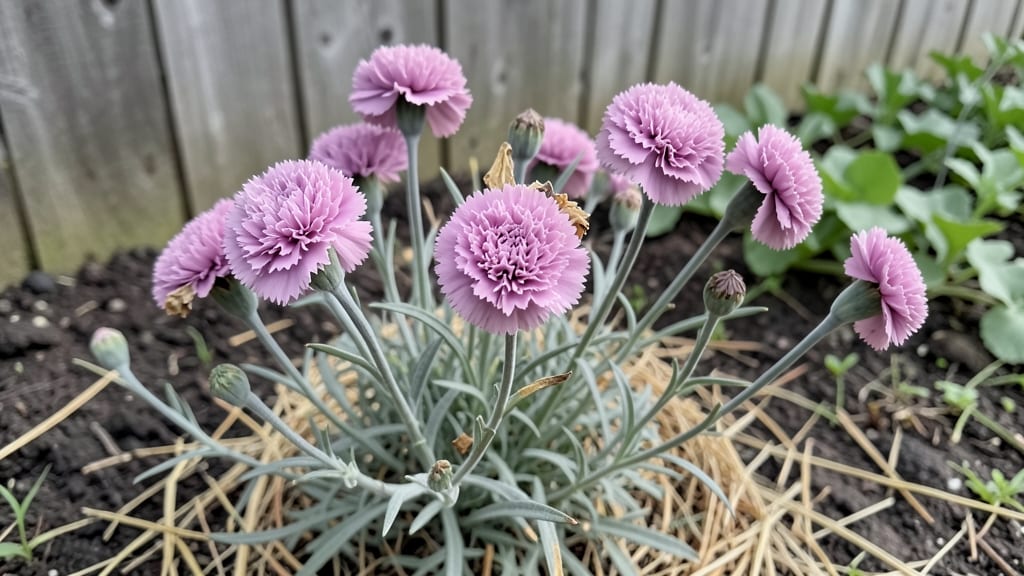
Double dianthus plants bring that cheerful, clover-like charm to gardens with their year-round blooms and pollinator magnet appeal. 🌸 I’ve grown them in my own garden for five seasons now, and I’ll tell you—once you try them, you’ll wonder why you didn’t start sooner.
Their fuzzy foliage and clusters of pink, red, or white flowers thrive where many perennials struggle, making them the unsung hero of cottage-style beds.
The key to their success lies in well-draining soil and full sun—at least six hours daily. Most gardeners overlook their drought tolerance, but these plants actually thrive with less water once established.
Varieties like 'Sweet William' and 'Garden Pinks' add height and texture, while the smaller 'Firewitch' series stays compact for borders. The secret? Plant them in spring or early fall, spacing them 12-18 inches apart for that lush, cottage-garden look.
By midsummer, you’ll be snipping back spent blooms to encourage more flowers, and the fragrance alone—sweet and honey-like—will have bees buzzing all season. These plants reward patience: with proper care, they’ll multiply over time, creating natural drifts that look effortless.
The best part? They handle frost surprisingly well, often reblooming in spring before most perennials even wake up.
Whether you’re filling gaps in your perennial beds or creating a pollinator-friendly border, double dianthus delivers low-maintenance color that keeps giving. Let’s get them planted—your garden will thank you for years to come.
📚 In This Guide
- What you need
- Instructions
- Tips and common mistakes
- Wrapping up and next steps
What you need
- ● Double Dianthus Seeds or Plants: Choose Dianthus barbatus (Sweet William) or Dianthus caryophyllus varieties labeled as "double" for fuller blooms. Buy from a reputable nursery or seed supplier (e.g., blank">Burpee or blank">Baker Creek Heirloom Seeds).
- ● Well-Draining Soil: 5–10 bags of potting mix or garden soil amended with perlite or sand (1 part perlite/sand to 3 parts soil) to prevent root rot.
- ● Containers or Garden Bed: For containers: 5–10-inch pots with drainage holes (1–2 plants per 6-inch pot).
- ● For garden beds: A sunny spot with at least 6 hours of sunlight daily.
- ● Fertilizer: A balanced, slow-release granular fertilizer (10-10-10 or 20-20-20) or organic compost (e.g., worm castings or aged manure).
- ● Mulch: 1–2 inches of organic mulch (e.g., straw, pine needles, or shredded bark) to retain moisture.
- ● Gloves & Hand Trowel: For planting and soil prep.
- ● Watering Can or Hose: With a gentle spray nozzle for hydration.
- ○ Pruning Shears: For deadheading spent blooms (optional but recommended).
- ● pH Test Kit: To ensure soil pH is 6.0–7.0 (dianthus prefers slightly acidic to neutral soil).
- ○ Optional Extras: Stakes or cages for tall varieties (e.g., Sweet William).
- ● Pollinator-friendly companion plants (e.g., lavender, thyme, or marigolds).
- ● Shade cloth (30–50%) for hot climates to prevent wilting.
How to plant and maintain double dianthus for long-lasting blooms
Here's how to grow these fragrant, pollinator-friendly perennials that reward you with vibrant color from spring to frost.
🌱 Step 1: Choose the Right Location and Prepare the Soil
Double dianthus thrives in full sun to partial shade—at least 6 hours of sunlight daily. I always pick the sunniest spot in my garden because these plants reward bright light with bigger, bolder blooms. Avoid heavy, clay soil—they prefer well-draining soil that mimics their Mediterranean origins.
Loosen the top 6-8 inches of soil with a garden fork to break up compaction. Mix in 2-3 inches of compost to improve fertility and drainage. Double dianthus has shallow roots, so focus on creating a loose, airy surface layer rather than digging deep.
🪴 Step 2: Plant at the Correct Depth and Spacing
Dig holes twice as wide as the root ball but only as deep as the container. Planting too deep suffocates the roots, while shallow planting exposes them to temperature swings. Gently remove the plant from its container and tease apart any circling roots with your fingers.
Space plants 12-18 inches apart in rows or 18-24 inches apart for a more natural look. I like to plant them in clusters of three or five for a fuller, more dramatic display. Water each plant deeply right after planting to settle the soil around the roots and eliminate air pockets.
💧 Step 3: Water Deeply and Establish a Consistent Routine
Water double dianthus deeply once a week during the first growing season to encourage deep root growth. You'll know it's time to water when the top inch of soil feels dry. Overwatering is the biggest mistake—these plants hate soggy roots and will quickly develop root rot.
Once established, double dianthus becomes quite drought-tolerant. I water mine every 10-14 days during dry spells, focusing on the base rather than overhead watering. This prevents fungal diseases that love damp foliage. Mulch around the plants with 1-2 inches of organic mulch to retain moisture and regulate soil temperature.
☀️ Step 4: Prune for Continuous Blooms and Shape
Deadhead spent blooms regularly throughout the growing season to encourage more flowers. I pinch off faded blossoms with my fingers or use clean pruners to cut just above the next set of leaves. This simple step extends the blooming season from early summer until frost.
After the first flush of flowers fades in late summer, give your dianthus a light trim to shape the plant and encourage a second round of blooms. Cut back one-third of the plant's height using sharp pruners, making cuts just above a leaf node. This rejuvenates the plant and prepares it for fall color.
⏰ Step 5: Prepare for Winter and Encourage Year-Round Growth
Double dianthus is hardy to USDA Zone 4 with proper winter care. In colder climates, apply a 2-3 inch layer of mulch around the base of the plants after the first frost. This protects the roots from extreme temperature fluctuations and keeps the soil insulated.
In spring, remove the mulch and give the plants a light trim to shape them before new growth begins. You'll see fresh foliage emerge in 3-4 weeks if temperatures stay above 50°F. Double dianthus is one of the first perennials to bloom in my garden, often putting on a show even before the daffodils appear.
Tips & tricks for perfect double dianthus planting and care
A few simple tricks will help you grow double dianthus that thrives and blooms beautifully year after year.
Sunlight Secret: Those 6 hours of sunlight daily are non-negotiable for vibrant blooms. I always test potential spots by observing how much sun they get throughout the day—morning sun is ideal, but afternoon sun works too as long as it's not scorching. If you're in a hot climate, provide afternoon shade to prevent leaf scorch while still getting that essential morning light.
Soil Preparation Tip: The 6-8 inches of loosened soil is about more than just breaking up compaction. I like to add a handful of perlite or coarse sand to the 2-3 inches of compost to create that perfect Mediterranean-style drainage. This prevents waterlogging, which is the number one killer of double dianthus roots. Think of it as creating a sponge-like environment that holds just enough moisture without drowning the roots.
Planting Depth Matters: When digging holes, use a small stake to mark the original soil level on the container. This helps you plant at exactly the right depth—neither too deep nor too shallow. I've learned this the hard way: planting too deep suffocates the roots, while shallow planting makes them vulnerable to temperature swings. Remember, double dianthus has shallow roots that need to stay close to the surface where they can access moisture and nutrients.
Mulching Strategy: That 1-2 inches of organic mulch isn't just for decoration. I use straw mulch because it breaks down slowly, adding organic matter to the soil over time. Apply it after watering so it settles properly around the base of the plants. In winter, increase to 2-3 inches to provide extra insulation—this is what helps these plants survive down to Zone 4 without protection. Just keep the mulch a few inches away from the stems to prevent rot.
Pro Tips for Double Dianthus Plants
- A few simple tricks will help you grow double dianthus that thrives and blooms beautifully year after year.
- Sunlight Secret: Those 6 hours of sunlight daily are non-negotiable for vibrant blooms.
- Soil Preparation Tip: The 6-8 inches of loosened soil is about more than just breaking up compaction.
Frequently asked questions
When is the best time to plant double dianthus?
Plant double dianthus in early spring (after the last frost) or early fall for optimal root establishment. Avoid summer heat, which can stress young plants. If starting from seed, sow indoors 6–8 weeks before the last frost for a head start!
How often should I water double dianthus?
Keep soil consistently moist but not soggy—about 1 inch of water per week, including rainfall. Once established, they’re drought-tolerant but may droop in extreme heat. Mulch around the base to retain moisture and reduce weeds.
Are double dianthus plants good for pollinators?
While their double blooms are sterile (no pollen), nearby single-flowering dianthus varieties attract bees and butterflies. Pair them with pollinator favorites like lavender or alyssum for a buzzing garden. Bonus: Their fragrance repels pests naturally!
Can double dianthus survive winter?
Most double dianthus are hardy to USDA Zones 5–9, but young plants may need winter protection. Cut back dead foliage in late winter, then apply a 2–3 inch layer of mulch to insulate roots. In colder zones, consider container growing for easy overwintering indoors.
Why aren’t my double dianthus blooming?
Check these fixes:
- Deadhead spent blooms regularly to encourage new flowers.
- Ensure they get full sun (6+ hours/day)—shady spots reduce blooming.
- Fertilize lightly with balanced 10-10-10 in spring to boost growth.
- If overcrowded, divide clumps every 2–3 years for better airflow.
Still struggling? Test soil pH—dianthus prefers slightly acidic (6.0–6.5).
What are good companion plants for double dianthus?
Pair them with:
- Low-growing perennials: Thyme, creeping phlox, or ajuga.
- Annuals for color: Petunias, snapdragons, or sweet alyssum.
- Grass or ground cover: Ornamental grasses (like Carex) or sedum to define borders.
Avoid planting near heavy feeders (like tomatoes) that compete for nutrients.
Wrapping up and next steps
Growing double dianthus plants is a rewarding way to attract pollinators while adding vibrant, long-lasting color to your garden. These low-maintenance perennials thrive with minimal effort—just the right soil, sunlight, and occasional care—and their cheerful blooms will keep your space lively from spring to frost.
Whether you're a seasoned gardener or just starting out, double dianthus is a fantastic choice for both beauty and biodiversity!
Ready to get started? Pick your favorite varieties, gather your supplies, and plant them in a sunny spot—your garden (and the bees!) will thank you. 🌸