
Blooming
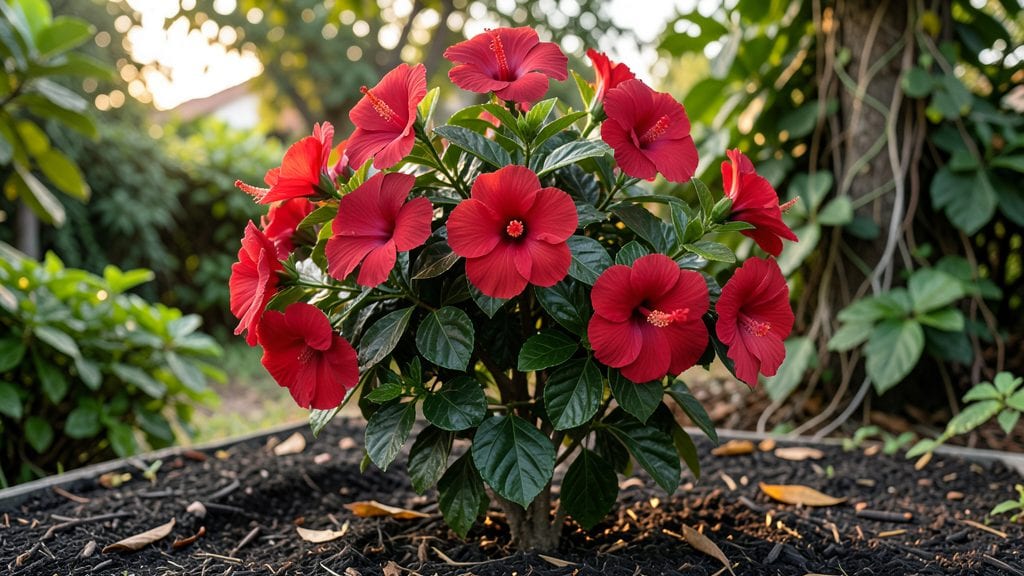
Growing a double bloom hibiscus means turning your garden into a nonstop floral spectacle—those voluminous, layered blooms don’t just show up once a year. 🌸 I’ve wrestled with these plants for years, and the difference between a single flush of flowers and year-round blooms comes down to one critical habit: pruning at the right times.
Most gardeners overlook this, and their hibiscus become wallflowers by midsummer.
The secret isn’t complicated: you’re shaping the plant to focus its energy on producing more buds, not just leaves. Start with a full-size plant that gets at least 6 hours of direct sun daily, and use well-draining soil mixed with compost.
Water deeply 2-3 times a week, but never let them sit in soggy soil—that’s how root rot sneaks in.
The real magic happens when you prune back one-third of the plant right after the first big bloom cycle, then give it a light trim every 4-6 weeks to keep it compact.
What you’ll end up with is a hibiscus that looks like it’s been photoshopped—double-layered blooms opening every 2-3 weeks instead of just once a season. The flowers stay vibrant longer, the plant stays bushier, and you’ll get compliments that make your neighbors question if you’ve been hiding a secret.
The key is consistency: prune, feed with a balanced fertilizer, and protect from frost if you’re in a cooler zone.
This works for both tropical and hardy hibiscus varieties, whether you’re growing in containers or planting directly in the ground. The only rule? Don’t skip the pruning—it’s the difference between a pretty bush and a showstopper. Ready to transform your garden?
📚 In This Guide
- What you need
- Instructions
- Tips and common mistakes
- Wrapping up and next steps
What you need
- ● Double Bloom Hibiscus Plant: Choose a healthy, disease-free specimen (bare-root or potted). Look for varieties like 'Dwarf Red', 'Pink Giant', or 'Lilac' for vibrant blooms.
- ● Well-Draining Potting Mix: 5–10 gallons (depending on pot size), blending 50% garden soil, 30% perlite/pumice, and 20% compost for aeration and nutrients.
- ● Containers: Standard Pots: 12–18 inches in diameter (1–3 plants per pot) with drainage holes.
- ○ Grow Bags: 20–30 gallons for larger specimens (optional for mobility).
- ● Pruning Tools: Bypass pruners (sharp, sterilized) for clean cuts.
- ● Hand pruners (for smaller stems).
- ● Loppers (for thicker branches, if needed).
- ● Fertilizer: Balanced Fertilizer: 10-10-10 or 20-20-20 (water-soluble, applied every 4–6 weeks during growing season).
- ● Slow-Release Granules: 1–2 cups per plant (spring planting).
- ● Mulch: 2–3 inches of organic mulch (e.g., pine bark or shredded leaves) to retain moisture and regulate soil temp.
- ● Support Stakes: 3–4 bamboo stakes (6–8 feet tall) or a small trellis for climbing varieties.
- ● Watering Can/Hose: With a gentle spray nozzle for hydration without damaging blooms.
- ● Soil pH Test Kit: Hibiscus thrives in acidic to slightly acidic soil (pH 6.0–6.5). Adjust with sulfur or lime if needed.
- ● Epsom Salt: 1 tablespoon per gallon of water (monthly spray for magnesium boost).
- ● Insecticidal Soap: For pest control (aphids, spider mites).
- ● Garden Gloves: To protect hands during pruning and soil handling.
- ● Sunlight Meter: To ensure your hibiscus gets 6+ hours of direct sunlight daily.
- ● Plant Food Spikes: For hassle-free, slow-release nutrients.
Step-by-Step instructions for cultivating a double bloom hibiscus
Here's how to coax your hibiscus into a nonstop floral display using precise pruning and seasonal care.
🌱 Step 1: Select and Prepare a Sun-Drenched Location
Hibiscus crave 6-8 hours of direct sunlight daily—no compromise here. I always choose a south- or west-facing spot where the plant gets morning sun and afternoon warmth. If growing in containers, place them where they won’t be shaded by nearby structures or taller plants.
Amend the soil with 2-3 inches of compost mixed into the top 12 inches of soil. Hibiscus roots love loose, well-draining soil with a slightly acidic pH (around 6.0-6.5). Test your soil—if it’s heavy clay, add 1 part perlite to 3 parts native soil to improve drainage. Overly compacted soil leads to root rot, which kills blooms faster than you can say "pruning season."
☀️ Step 2: Plant at the Right Depth and Water Deeply
Dig a hole twice as wide as the root ball but only as deep as the container’s base. Hibiscus hate being buried too deep—plant them so the top of the root ball sits 1 inch above soil level. This prevents water from pooling around the stem, which causes rot.
Water immediately after planting with 1 gallon of water per plant, then again in 3-4 days. The goal is to settle the soil around roots without drowning them. You’ll know you’ve got it right when water drains freely from the bottom of the hole—no soggy soil left behind. Mulch with 2-3 inches of organic mulch (like shredded bark) to retain moisture and regulate soil temperature.
✂️ Step 3: Prune for Bushier Growth and Double Blooms
Prune hibiscus in early spring (just as new growth begins) and again after the first flush of blooms. Cut back one-third of the oldest stems to encourage new, vigorous growth. Remove any dead, diseased, or crossing branches—these steal energy from potential blooms.
For double blooms, focus on pinching back the tips of new growth when they reach 6 inches tall. This forces the plant to branch out instead of growing tall and leggy. I always use clean, sharp pruners dipped in rubbing alcohol between cuts to prevent spreading disease. After pruning, feed with a balanced fertilizer (10-10-10) to support new growth.
💧 Step 4: Maintain Consistent Moisture and Fertilize Monthly
Hibiscus need 1-1.5 inches of water weekly, but never let them sit in soggy soil. Water deeply in the morning so foliage dries by evening—this prevents fungal diseases like powdery mildew. In containers, check soil moisture by sticking your finger 2 inches deep; if it’s dry, water thoroughly.
Feed every 4-6 weeks during the growing season (spring through fall) with a high-phosphorus fertilizer (like 5-10-5). Phosphorus promotes flowering, which is exactly what you want for double blooms. Reduce feeding in winter—hibiscus go semi-dormant and need less support. I always flush the soil with water after fertilizing to prevent salt buildup, which burns roots.
⏰ Step 5: Winter Care for Year-Round Blooms
If you live in a cold climate (below 20°F), protect your hibiscus by wrapping the container in burlap or frost cloth or moving it indoors to a bright, cool spot (like a garage with a window). In warmer zones, prune lightly in late winter to remove dead growth and shape the plant for the next blooming season.
Even in mild winters, reduce watering to every 2-3 weeks—hibiscus need less moisture when growth slows. If you’re growing in containers, move them to a sheltered spot to avoid cold drafts. With proper winter care, your hibiscus will burst into bloom again as soon as temperatures rise, giving you that coveted year-round vibrancy.
Tips & tricks for perfect double bloom hibiscus cultivation
These precision techniques will transform your hibiscus from seasonal blooms to year-round floral splendor.
Sunlight Strategy: The 6-8 hours of direct sunlight in Step 1 isn't just about quantity—it's about quality. Position your hibiscus to capture morning sun (cooler, less intense) and afternoon warmth (gentler light). If you notice leaves turning yellow or brown, you're either getting too much harsh afternoon sun or not enough morning light. A south-facing window or patio gets the perfect balance—west-facing spots work too but may need afternoon shade in peak summer.
Pruning Precision: When you're pinching back tips at 6 inches in Step 3, aim for just above a leaf node where new growth emerges. This tiny detail makes all the difference—pinching too high creates leggy growth, while pinching too low can stunt development. I always make my cuts at a 45-degree angle to prevent water from pooling on the stem, which invites disease. And here's what nobody tells you: the first flush of blooms after pruning will be single—save those flowers for tea, and let the plant redirect energy to producing double blooms next.
Soil Science: The 2-3 inches of compost in Step 1 should be well-aged—fresh compost can burn roots. Mix it thoroughly into the top 12 inches to create a loose, aerated zone where roots can breathe. If your soil tests too alkaline (above 7.0), add sulfur to lower the pH gradually—hibiscus roots are sensitive to sudden pH changes. For container growers, repot every 2-3 years to refresh the soil mix, which prevents nutrient depletion that leads to fewer blooms.
Winter Protection: That 20°F threshold in Step 5 isn't just about survival—it's about setting up next season's blooms. If you're using frost cloth, secure it tightly but leave room for air circulation to prevent moisture buildup. For container hibiscus, move them to a garage with a south-facing window—they need light even in winter. I've found that hibiscus exposed to consistent 50°F temperatures during winter months actually bloom earlier in spring, giving you that coveted head start on summer color.
Pro Tips for Double Bloom Hibiscus Plant
- These precision techniques will transform your hibiscus from seasonal blooms to year-round floral splendor.
- Sunlight Strategy: The 6-8 hours of direct sunlight in Step 1 isn't just about quantity—it's about quality.
- Pruning Precision: When you're pinching back tips at 6 inches in Step 3, aim for just above a leaf node where new growth emerges.
Frequently asked questions
Got questions about keeping your double bloom hibiscus thriving? You’re not alone! Here are answers to the most common queries from gardeners just like you.
How often should I prune my double bloom hibiscus for maximum blooms?
Prune your hibiscus twice a year: once in early spring (before new growth) and again after the first flush of blooms (late spring/early summer). Light trimming between blooms can encourage continuous flowering. Avoid heavy pruning in fall—it disrupts winter dormancy.
Can double bloom hibiscus survive winter outdoors?
Most double bloom hibiscus are tropical/subtropical and need protection below 40°F (4°C). In colder zones, grow them in containers and move them indoors or wrap the pot in burlap + mulch. If left outside, mulch the base heavily and cover with frost cloth.
Why isn’t my hibiscus blooming? Troubleshooting tips?
Check these culprits:
- Light: Needs 6+ hours of direct sun daily—move it if leaves yellow or stems stretch.
- Pruning: Over-pruning or cutting too late in the season can delay blooms.
- Nutrients: Feed with low-nitrogen, high-phosphorus fertilizer (like 5-10-10) every 4-6 weeks during growing season.
- Stress: Sudden temperature drops or transplant shock can halt blooming.
Are there dwarf varieties of double bloom hibiscus for small spaces?
Yes! Look for cultivars like ‘Lil’ Kim’ or ‘Dwarf Red’, which max out at 3–5 feet tall. They’re perfect for containers, patios, or small gardens. Just ensure they still get full sun—dwarf doesn’t mean low-light tolerant!
What pests should I watch for on hibiscus leaves?
Keep an eye out for:
- Aphids (sticky residue, curled leaves) – Spray with soapy water.
- Spider mites (fine webbing, speckled leaves) – Increase humidity or use neem oil.
- Whiteflies (tiny white bugs, sticky sap) – Use yellow sticky traps.
Prevent issues by pruning for airflow and avoiding overwatering.
Pro Tip:
For year-round blooms, deadhead spent flowers gently (don’t cut into old wood) and fertilize lightly every 2 months. Consistency is key—hibiscus reward patience!
Wrapping up and next steps
Growing a double bloom hibiscus is a rewarding journey that combines patience, care, and a little pruning science! 🌸 With the right techniques—like strategic trimming, proper sunlight, and consistent hydration—you’ll enjoy stunning, year-round blooms that turn heads.
Remember, every snip and spray is a step toward a lush, vibrant plant that thrives.
Ready to take the next step? Start small: pick one pruning technique to practice, then gradually expand your skills. Before you know it, your hibiscus will be the star of your garden—or even your balcony! 🌿