
Companion Plants
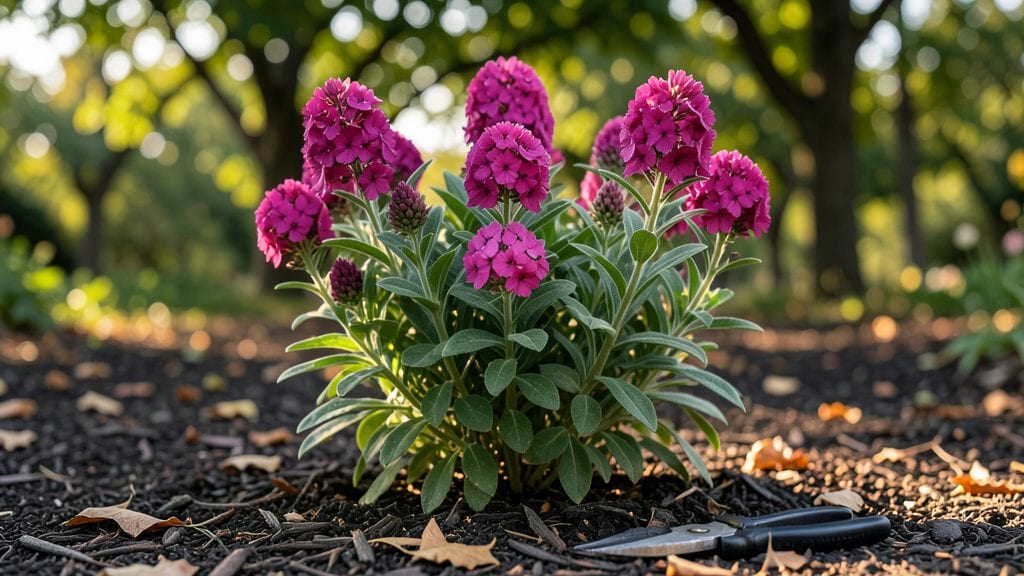
Dividing phlox plants is the secret to keeping your 🌸 blooms lush and your garden bursting with color year after year.
If your phlox plants are looking tired, producing fewer blooms, or struggling to spread, dividing them might be the solution you need to revive their vigor and expand your garden’s beauty.
This simple process not only rejuvenates your existing plants but also gives you free new ones to share or replant.
Timing is everything—early spring or fall is the best window in Zone 6a—but knowing how to do it right makes all the difference.
Whether you’re dealing with an overcrowded clump or just want to encourage healthier growth, this guide will walk you through every step, from digging up the roots to replanting for success.
Ready to transform your phlox from sparse to spectacular? Let’s get started with the tools, techniques, and aftercare tips that will keep your plants thriving for seasons to come.
Best time to divide phlox plants for maximum success
Dividing your phlox plants is one of the best ways to rejuvenate their growth and ensure vibrant blooms year after year. But timing is everything—dividing at the wrong time can stress your plants and reduce their chances of thriving.
The ideal windows are early spring or early fall, when phlox is actively growing but not yet in full bloom. This gives your divided sections enough time to establish strong roots before winter or summer stress sets in.
I’ve found that early spring division (just after the last frost) works best in USDA Zones 5-8, while fall division (4-6 weeks before frost) is ideal for warmer climates. The key is to avoid dividing during extreme heat or cold, as these conditions can shock the plant’s system.
If you live in a region with mild winters, fall division might be your best bet—it allows the roots to settle before dormancy.
Now, let’s talk about how to know when your phlox needs dividing. Look for these clear signs: reduced flowering, crowded centers with bare spots, or stems that lean outward instead of standing upright.
Older phlox plants (typically 3-5 years old) often benefit most from division, as their centers become woody and less productive. If your phlox hasn’t bloomed as beautifully as it once did, it’s likely time to split it up!
Here’s a quick reference to help you decide when and how to divide your phlox for the best results:
If you’re dividing phlox in spring, aim to finish the process by late May to give the roots time to strengthen before summer. For fall division, wrap it up by mid-September in most regions to avoid winter stress.
I’ve personally seen phlox divided in early fall bounce back with even more vigorous growth the following spring, so don’t underestimate the power of timing!
The age of your phlox also plays a role in division success. Younger plants (under 3 years old) typically don’t need dividing unless they’re severely overcrowded. However, phlox that’s 4-5 years old often benefits greatly from division, as their centers become congested and less productive.
If you’ve had the same clump for years and notice fewer blooms or leggy stems, it’s a clear sign that splitting is overdue.
One mistake I see often is dividing phlox during peak bloom. This stresses the plant and can reduce flowering for the current season. Always wait until the blooms have faded or the plant is just waking up from dormancy.
Another tip: if your phlox is creeping phlox (like Phlox subulata), it’s best to divide it every 2-3 years to keep it dense and flowering. Garden phlox (Phlox paniculata) can handle division every 3-4 years.
Before you dig in, check your local climate. In hot, dry regions, fall division is safer because spring can bring intense heat. Conversely, in cooler, wet climates, spring division gives plants more time to establish before winter.
I once divided my phlox in late spring in a humid climate, and the plants struggled until summer—so always consider your microclimate!
Finally, don’t forget that dividing phlox is also a great way to share plants with friends or expand your garden. Each division can be replanted to create thicker, more vibrant blooms in new spots.
Just remember: the healthier the mother plant, the better the divisions will perform. If your phlox looks weak before division, give it a boost with compost or balanced fertilizer a few weeks beforehand.
With the right timing and care, dividing phlox can transform tired, sparse plants into lush, blooming powerhouses. Whether you choose spring or fall, the key is to act when your phlox is ready—and your garden will thank you with showstopping color for years to come! 🌸
Step-by-step guide to dividing phlox: tools and techniques
Dividing phlox plants is a fantastic way to revitalize overgrown clumps and create new plants for your garden. When done correctly, this process encourages healthier blooms and prevents the center of your phlox from becoming bare.
The key lies in using the right tools and techniques while handling the roots with care. Let’s walk through each step to ensure your phlox thrives after division.
Before you begin, gather your essential tools—a sharp garden shovel, clean pruning shears, heavy-duty gardening gloves, and a hose or watering can. You’ll also need a wheelbarrow or bucket to transport clumps and a spray bottle for keeping roots moist.
Working in a shaded area will help prevent stress on the plants during the process.
Step-by-Step Guide to Dividing Phlox
-
Step 1: Prepare Tools and Workspace
Sanitize your tools with rubbing alcohol to prevent disease spread. Lay out a tarp or old blanket to work on and keep a bucket of water nearby to mist roots as needed. -
Step 2: Water the Plant Thoroughly
Water the phlox 24 hours before dividing to soften the soil and make roots easier to separate. This reduces stress on the plant during the process. -
Step 3: Dig Up the Phlox Clump
Use your shovel to dig around the base of the plant, creating a 12-inch diameter circle. Lift the entire clump gently, shaking off excess soil to expose the roots. -
Step 4: Separate the Roots Carefully
Hold the clump and tease apart the roots with your hands or a knife for stubborn sections. Aim for 3-5 inch sections with at least 3-5 buds per division for best regrowth. -
Step 5: Prune and Prepare Divisions
Trim damaged or weak stems to 6 inches tall, leaving healthy foliage. Remove any yellow or diseased leaves to promote recovery. -
Step 6: Replant with Proper Spacing
Dig holes 18-24 inches apart for garden phlox or 12-18 inches for creeping varieties. Place divisions so the crown sits slightly above soil level to prevent rot. -
Step 7: Water and Mulch New Plantings
Water deeply after replanting and apply a 2-inch layer of mulch to retain moisture and suppress weeds. Avoid heavy watering for the first week to prevent root rot.
One of the most common mistakes when dividing phlox is damaging the roots while separating clumps. Always work gently and avoid pulling or tearing the roots. Another pitfall is improper spacing—crowded plants compete for nutrients, leading to weaker blooms.
For creeping phlox, space divisions closer together, while garden phlox needs more room to thrive.
After replanting, monitor your divided phlox for signs of stress or disease. Yellowing leaves may indicate overwatering, while wilted foliage could signal underwatering. If you notice pests like aphids, treat them immediately with neem oil or insecticidal soap.
With proper care, your divided phlox should rebound beautifully and produce even more vibrant blooms next season.
🌸