
Pests
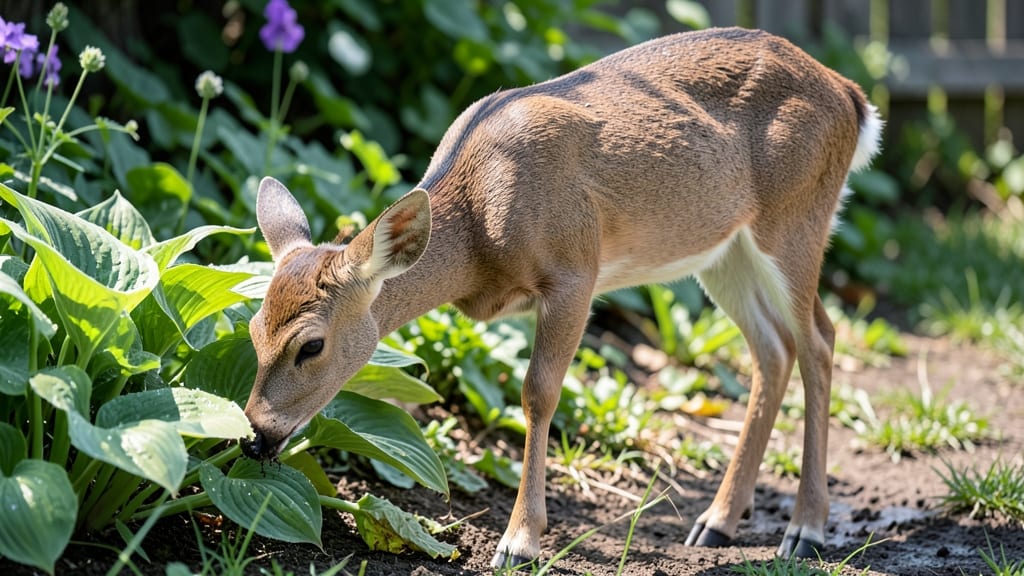
That deer ear plant with its velvety, deer-ear-shaped leaves isn't just pretty—it's a natural pest deterrent that actually works. 🌿 I've grown it in both garden beds and hanging baskets, and the deer, rabbits, and even squirrels stay away from it like it's poison.
The secret lies in its slightly bitter foliage, which animals instinctively avoid while humans find it ornamental and easy to care for.
You'll need bright, indirect light for lush growth—think east-facing windows or dappled shade outdoors. The soil should drain well (a mix of potting soil and perlite works great), and watering should be consistent but not soggy. Overwatering is the #1 killer, so let the top inch dry out between waterings.
Propagation is even easier: just snip a stem, dip it in rooting hormone, and stick it in moist soil. New plants pop up in about 3-4 weeks.
Once established, this plant thrives for years with minimal fuss. The leaves stay vibrant green and slightly fuzzy, and it spreads gently if you let it. Place it near veggie gardens to keep pests at bay, or grow it indoors as a low-maintenance air purifier.
The best part? It multiplies effortlessly, so you'll soon have more than you know what to do with.
Works equally well in containers, garden borders, or as a trailing plant in hanging pots. If you've struggled with deer nibbling your garden, this is your secret weapon—beautiful, functional, and foolproof once you get the hang of it.
📚 In This Guide
- What you need
- Instructions
- Tips and common mistakes
- Wrapping up and next steps
What you need
- ● Deer ear plant (Coleus blumei) – 1 to 3 nursery-grown plants (choose varieties like 'Wagon Wheel' or 'Kong' for bold foliage).
- ● Well-draining potting mix – 5-10 gallons (for containers) or amend garden soil with compost (for in-ground planting).
- ● Garden gloves – 1 pair (to protect your hands from soil and sap).
- ● Watering can or hose – With a gentle spray nozzle for even moisture.
- ○ Fertilizer (optional but recommended) – Balanced 10-10-10 or slow-release granules (1 tbsp per plant).
- ● Trowel or small shovel – For transplanting (if in-ground).
- ○ Containers (optional) – 1-2 gallon pots with drainage holes (if growing in pots).
- ● Pruning shears – For trimming and shaping (sterilize with rubbing alcohol).
- ○ Mulch (optional but helpful) – 2-3 inches of shredded bark or straw to retain moisture.
- ● Sunlight assessment – Partial shade (4-6 hours of indirect light daily) is ideal for most varieties.
Step-by-Step instructions for growing deer ear plant
This fuzzy, deer-resistant beauty thrives with minimal fuss—here's how to grow it strong.
🌱 Step 1: Choose the Perfect Planting Spot
Deer ear plant (Coleus scutellarioides) loves bright, indirect light but tolerates partial shade—just avoid deep shadow where it’ll stretch and lose its signature fuzzy texture. A south- or east-facing window delivers ideal conditions, while outdoor spots need 4-6 hours of dappled sunlight daily.
This plant deters pests naturally, so position it near your veggie garden or along walkways where deer and rabbits might browse. I always plant mine 12-18 inches apart to let those fuzzy leaves spread and create a dense barrier. The key is airflow—crowding invites fungal issues, so space matters.
💧 Step 2: Prepare Well-Draining Soil Mix
Use a blend of 50% potting soil and 50% perlite or coarse sand to ensure drainage—deer ear hates soggy roots. Amend garden soil with compost if planting outdoors, but avoid heavy clay. The goal is a mix that feels like a damp sponge when squeezed.
Test your soil by filling a container with the mix and watering it. If water pools on top after 10 minutes, add more perlite. If it drains too fast, mix in a bit of peat moss. This plant’s thick leaves store moisture, so water only when the top inch feels dry—overwatering causes root rot faster than anything else.
☀️ Step 3: Plant and Provide Consistent Light
Dig a hole twice as wide as the root ball but no deeper—deer ear dislikes being buried too deeply. Gently remove the plant from its pot, loosen the roots if they’re circling, and place it in the hole. Backfill with soil, pressing lightly to eliminate air pockets. Water deeply right after planting to settle everything.
Place your new plant within 12 inches of a grow light if indoors, or move it to a bright spot where it gets morning sun and afternoon shade. Watch for leaves stretching toward the light—that’s your signal to adjust its position. Once established, deer ear handles temperature swings well, thriving in 60-80°F ranges.
✂️ Step 4: Prune for Bushier Growth and Pest Control
Pinch back the tips of new growth when the plant reaches 6 inches tall to encourage bushier, fuller foliage. Use clean scissors to snip just above a leaf node, and you’ll see new branches sprout within 2-3 weeks. This also keeps the plant compact and more effective as a pest deterrent.
Remove any yellow or damaged leaves immediately—they attract pests and spread disease. Deer ear rarely needs heavy pruning, but if it gets leggy, trim back the longest stems by one-third. The fuzzy leaves repel deer naturally, but a light spray of neem oil occasionally keeps other insects at bay without harming the plant.
🪴 Step 5: Overwinter for Next Year’s Growth
When temperatures drop below 50°F, bring potted deer ear indoors near a bright window. Reduce watering to every 2-3 weeks—the plant enters a semi-dormant state. If growing outdoors in mild climates, mulch heavily around the base to protect roots from frost.
In spring, trim back any leggy growth and fertilize lightly with a balanced 10-10-10 mix. You’ll see fresh, vibrant leaves within 4-6 weeks, ready to repel pests and add texture to your garden again. This plant’s resilience makes it a low-maintenance workhorse for any landscape.
Tips & tricks for perfect deer ear plant growth
A few simple strategies will help you grow a lush, deer-resistant plant that thrives season after season.
Lighting Secret: Deer ear plants need that 4-6 hours of dappled sunlight daily mentioned in Step 1, but here's the trick: rotate your plant every 2-3 weeks so all sides get even exposure. This prevents lopsided growth and keeps those fuzzy leaves looking their best. I notice the most vibrant color on plants that get morning sun and afternoon shade—just like the instructions recommend.
Soil Test Hack: When testing your soil mix in Step 2, don't just watch for pooling water after 10 minutes. Also check how quickly it drains by tilting the container—water should drip steadily but not rush out. The perfect mix should feel like a damp sponge that holds moisture without becoming soggy. This is crucial because deer ear roots are particularly sensitive to waterlogged conditions.
Pruning Timing: The instructions mention pinching back at 6 inches tall, but here's what nobody tells you—do this first thing in the morning. New growth stimulated by pruning needs time to harden off before evening moisture sets in. I've found that morning pruning also gives the plant a full day to recover before nightfall, which helps prevent fungal issues that can develop from wet foliage.
Overwintering Tip: When moving your plant indoors below 50°F, place it near a bright window but keep it away from heating vents. The 60-80°F range mentioned for optimal growth works well indoors, but sudden heat changes can stress the plant. A consistent 70°F spot with indirect light is ideal during winter months. This helps maintain its health until spring.
Pro Tips for Deer Ear Plant
- A few simple strategies will help you grow a lush, deer-resistant plant that thrives season after season.
- Lighting Secret: Deer ear plants need that 4-6 hours of dappled sunlight daily mentioned in Step 1, but here's the trick: rotate your plant every 2-3 weeks so all sides get even exposure.
- Soil Test Hack: When testing your soil mix in Step 2, don't just watch for pooling water after 10 minutes.
Frequently asked questions
Got questions about growing and using deer ear plant (also called mullein) as a natural pest deterrent? Here are some of the most common ones—and their answers!
How long does it take for deer ear plant to grow tall enough to deter deer?
Most Verbascum thapsus varieties reach their full height (3–6 feet) within 60–90 days from planting, depending on your climate. For best results, plant seeds in early spring so the foliage matures before deer browsing season peaks in late summer or fall. Pro tip: If you need faster coverage, consider transplanting young seedlings (6–12 inches tall) for an immediate height advantage.
Will deer ear plant harm birds or wildlife?
No—this plant is non-toxic to birds, bees, and other wildlife! In fact, its tall stalks provide habitat for beneficial insects like bees and moths. However, avoid overcrowding it with other plants, as dense growth can displace smaller native species. Bonus: The flowers attract pollinators, making it a great addition to wildlife-friendly gardens.
Can I use deer ear plant as a mulch or compost?
Yes! Once the plant dies back in late fall or winter, you can chop and drop the dried leaves as mulch to suppress weeds and retain moisture. For composting, add the stems and leaves in small amounts—they break down slowly but enrich soil with potassium. Warning: Avoid composting if the plant has been treated with pesticides, as deer ear is often grown organically.
What if deer still eat my garden after planting deer ear?
Deer ear plant is deterrent, not foolproof. If deer persist, try these fixes:
- Combine with other repellents: Sprinkle hot pepper flakes or use commercial deer repellent sprays.
- Fence strategically: A 7–8 foot fence is most effective—deer can jump surprisingly high!
- Rotate plants: Mix in lavender, rosemary, or boxwood as additional barriers.
Does deer ear plant grow well in containers or small spaces?
While it thrives in open garden beds, deer ear plant adapts well to large containers (12+ inches deep) with good drainage. Use well-draining potting mix and place in full sun. Note: In containers, it may grow slightly shorter (2–4 feet) but still deters deer effectively. Ideal for patios, balconies, or small yards!
Wrapping up and next steps
Growing a deer ear plant is a fantastic way to add beauty to your garden while keeping pests at bay naturally! 🌿 Its striking foliage and deer-resistant properties make it a win-win for both aesthetics and functionality.
Whether you're a seasoned gardener or just starting out, this hardy plant is easy to care for and offers long-lasting results.
Ready to take the next step? Plant your deer ear today and enjoy a lush, pest-free garden all season long! 🌱 Don’t forget to share your progress with fellow gardeners—you’ll inspire others to try this eco-friendly solution too.