
Pests
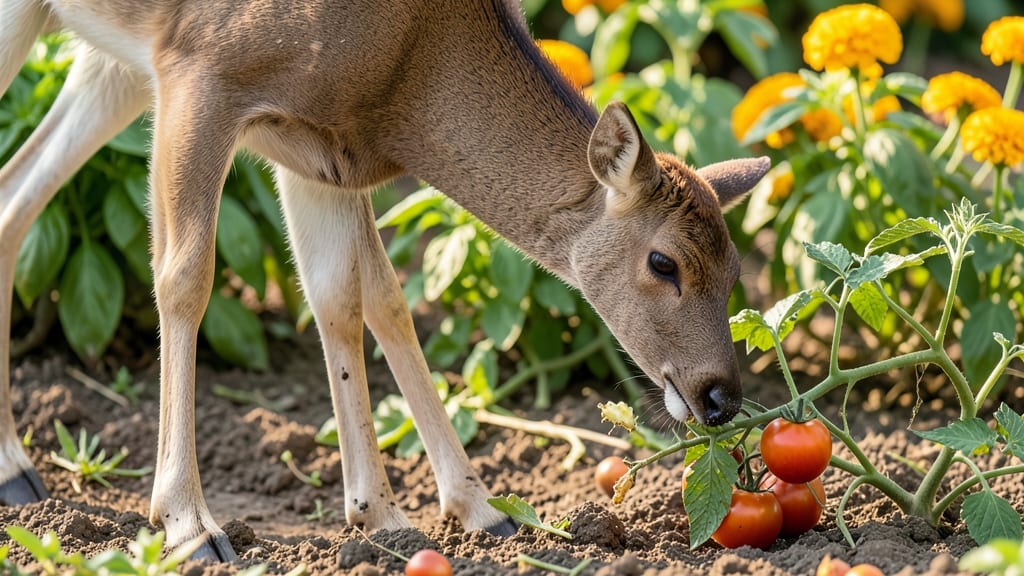
When deer ate my tomato plants, I thought my garden was doomed—until I discovered these humane repellents that actually work without harming wildlife. 🌱 The first year, my prized heirloom tomatoes vanished overnight, leaving only jagged stems behind.
But after testing different methods, I found solutions that protect plants while keeping deer safe.
Physical barriers like 8-foot fencing or deer netting are the gold standard, but they’re not always practical. Instead, I rely on a mix of homemade sprays (garlic, hot pepper, and egg solutions), commercial repellents, and deer-resistant companion plants like marigolds and basil.
These tactics work best when combined—no single method is foolproof.
You’ll see results within a few days of consistent application, with plants growing strong and deer moving on to easier snacks. The key is persistence: reapply sprays after rain and check fencing for gaps. Even in high-risk areas, this approach saves your harvest without cruelty.
For gardeners who’ve given up on tomatoes, this is your second chance. I’ll walk you through the most effective methods, from DIY recipes to store-bought options, so you can enjoy a bountiful harvest—deer be damned.
The Real Culprits Behind Garden Raids
If your lush tomato plants have suddenly become a deer buffet, you’re not alone—these graceful but hungry browsers have a knack for turning gardens into their personal salad bar.
Understanding why deer target your tomatoes is the first step to reclaiming your harvest. Let’s break down the science and behavior behind their plant-plundering habits.
Deer are selective foragers, and tomatoes rank high on their menu for several reasons:
- High moisture content: Tomato plants are juicy and hydrating, especially during dry spells when natural water sources dwindle. Deer prioritize foods that replenish their fluids.
- Rich in nitrogen: Young tomato leaves and stems are packed with nitrogen, which deer need for muscle repair and growth. Think of it as their version of a protein shake!
- Sweet, aromatic foliage: While ripe tomatoes aren’t as appealing, the unripe leaves and green fruits emit volatile organic compounds (VOCs) that deer detect from up to 100 yards away. Their keen sense of smell makes your garden a beacon.
- Low toxicity: Unlike some plants (e.g., foxglove or oleander), tomatoes lack natural chemical defenses that repel deer. They’re essentially a safe snack in the wild.
Pro tip: 💡 If your tomatoes are the only plants being munched, deer may be targeting them specifically for their nutritional value. Try planting deer-resistant alternatives nearby to distract them.
Deer don’t raid gardens out of malice—they’re driven by seasonal food scarcity and metabolic needs. Here’s how timing plays a role:
| Season | Why Deer Target Tomatoes | Peak Risk Period |
|---|---|---|
| Spring | New tomato shoots are tender and packed with nutrients, making them an easy, high-reward meal. Plus, deer are recovering from winter and need to rebuild fat reserves. | April–June (varies by climate) |
| Summer | Drought or overgrazing of natural forage (like clover or grasses) forces deer to seek out irrigated gardens. Tomatoes provide both water and calories. | July–August (heat stress increases foraging) |
| Fall | Deer bulk up for winter by consuming high-carb foods. Ripe tomatoes (though less preferred than foliage) offer a quick energy boost. | September–October (pre-hunting season surges) |
Key insight: Deer activity often spikes before dawn and after dusk (crepuscular behavior) and during mild, rainy days when they’re less stressed by heat or predators. This is when your plants are most vulnerable.
Deer aren’t picky—they’re opportunistic. Your garden might be sending mixed signals that make it irresistible:
- Lack of natural barriers: Open fields, fences lower than 8 feet, or hedges deer can jump over turn your garden into a buffet. Their vertical leap can reach 10 feet!
- Overwatered or stressed plants: Deer seek out plants that are easy to eat. If your tomatoes are wilted or overripe, they’re more likely to be targeted. Healthy plants with thorns or prickly stems (like some heirloom varieties) deter them.
- Proximity to wooded edges: Gardens adjacent to forests or thickets provide deer with cover and quick escape routes. They’ll graze closer to safety.
- Human food scraps: Even indirectly, if you compost fruit/veggie waste nearby, deer associate your yard with food and expand their raids to include plants.
Actionable fix: ✨ Create a deer-proof perimeter with a mix of physical barriers (e.g., 8-foot fencing) and scent-based deterrents to break their “garden = food” association.
Now that you know why deer are eyeing your tomatoes, the next step is humane, effective repellents to send them packing—without harm. Stay tuned!
Stopping Deer Damage Naturally
Now that you understand why deer are feasting on your tomato plants, it’s time to take action—without resorting to harmful traps or lethal methods. The good news? There are effective, humane, and often low-cost ways to protect your garden.
Below, we’ll break down solutions by the most common causes of deer munching and provide step-by-step fixes to keep your tomatoes safe.
If deer are already in your garden, they’re likely drawn by the scent, sight, or accessibility of your plants. Physical barriers are the most reliable way to block their access entirely.
🔥 Install Fencing (The Gold Standard)
Deer can jump 8 feet high and leap 10 feet horizontally, so standard chicken wire won’t cut it.
Instead: - Use 8-foot-tall fencing made of hardware cloth, woven wire, or deer-proof netting. - Bury the fence 12 inches deep to prevent digging underneath. - Pro Tip: 💡 Add slanted tops (like an "A" frame) to deter climbing. Deer dislike uneven surfaces.
🍳 Temporary Solutions for Small Gardens
If fencing isn’t an option, try these quick fixes:
- Plant deer-resistant companions (like marigolds, basil, or garlic) around tomatoes to mask the scent.
- Use raised beds with fine mesh (1/4-inch or smaller) draped over the top.
- Hang reflective objects (old CDs, aluminum pie pans, or mylar tape) to startle them away.
Deer have an exceptional sense of smell, so overwhelming or confusing scents can deter them. These are easy to make at home and reapply as needed.
👨🍳 Homemade Spray Repellents (Safe & Effective)
Mix one of these in a spray bottle and apply to plants (especially leaves and stems):
| Ingredient Combo | How to Use |
|---|---|
| Hot Pepper + Garlic | Blend 2 tbsp cayenne pepper + 2 tbsp garlic + 1 quart water. Spray on plants. |
| Eggs + Water | Beat 2 raw eggs in 1 gallon water, add 1 tbsp dish soap. Smells terrible to deer! |
| Predator Urine | Buy coyote or fox urine (pet stores sell it) and spray around the garden. |
⏰ Reapply every 5-7 days or after rain. 🎯 Pro Tip: Spray evening and morning for maximum effectiveness.
🌡️ Commercial Repellents (Ready-to-Use)
If DIY isn’t your style, try these deer-repellent sprays (look for USDA-approved options):
- Liquid Fence Deer & Rabbit Repellent (contains putrescent eggs)
- Bobby’s Organic Deer Repellent (plant-based, safe for edibles)
- Deer Out! (uses predator urine scents)
Deer are skittish—sudden movements or loud noises can train them to avoid your garden.
🎯 Motion-Activated Sprinklers
- Devices like the ScareCrow Solar-Powered Sprinkler spray water when deer approach.
- Works best in open areas where deer can’t easily sneak in.
- 💡 Pro Tip: Place multiple units around the garden for full coverage.
🔊 Ultrasonic Repellents (Mixed Results)
- Some gardeners swear by ultrasonic emitters (like the Deer Out! Ultrasonic Repeller).
- Effectiveness varies—works better for some than others. Test first in a small area.
The best defense is a deer-proof garden ecosystem. Here’s how to reduce temptation long-term:
🥘 Plant Deer-Resistant Alternatives
Deer hate these plants—interplant them with tomatoes:
- Marigolds (strong scent deters deer)
- Basil (masks tomato smell)
- Onions & Garlic (natural repellents)
- Russian Sage or Lavender (deer avoid woody plants)
🌡️ Rotate Plantings & Use Companion Planting
- Avoid planting tomatoes in the same spot yearly—deer learn patterns.
- Surround tomato beds with prickly plants (like rosemary or thyme) to create a natural barrier.
🌿 Maintain a "Deer-Friendly Buffer Zone"
- Plant native grasses or clover at the garden’s edge to distract deer from your veggies.
- Remove fallen fruit (deer love ripe tomatoes on the ground).
- ❌ Avoid mothballs (toxic to pets and plants).
- ❌ Skip reapplying repellents—deer get used to scents!
- ❌ Use only one method—combine barriers + repellents + deterrents for best results.
Deer are persistent, but so are you! Start with one or two methods, monitor what works, and adjust as needed. With consistent effort, you’ll reclaim your tomato patch without harming a single deer.
🌱 Ready to save your tomatoes? Pick a strategy today and watch those hungry deer move on!
Frequently asked questions
Why do deer specifically target tomato plants over other garden vegetables?
Deer love tomatoes because they're packed with moisture and nitrogen—perfect for their diet. Young tomato leaves are especially appealing, while ripe fruit provides quick energy. Unlike some plants, tomatoes lack natural chemical defenses that repel deer, making them an easy, safe snack.
Will commercial deer repellents really work, or is it just a waste of money?
Commercial repellents can work, but effectiveness varies. Look for USDA-approved options like Liquid Fence or Bobby's Organic. The key is consistency—reapply every 5-7 days or after rain. Combine them with physical barriers (like fencing) for best results, as no single method is foolproof.
How do I know if deer are still coming back after I've applied repellents?
Check for fresh damage at dawn or dusk when deer are most active. Look for jagged edges on leaves or stems—deer don't chew cleanly like rabbits. Also, monitor repellent effectiveness by observing deer behavior; if they linger near your garden, it's time to switch methods or increase coverage.
Are there any plants that can completely replace tomatoes if deer keep destroying them?
While nothing replaces tomatoes, try deer-resistant alternatives like peppers, eggplants, or green beans. For foliage, consider kale, Swiss chard, or nasturtiums. These plants are less appealing to deer but still productive. Plant them strategically around your garden to create natural barriers.
Can I use motion-activated sprinklers in my vegetable garden without harming the plants?
Yes, but choose gentle settings to avoid damaging tender plants. Motion-activated sprinklers like ScareCrow use low-pressure water bursts that deter deer without harming vegetables. Test them first in a small area to ensure they don't disturb your plants' roots or leaves. They work best in open areas where deer can't easily sneak in.