
Pruning
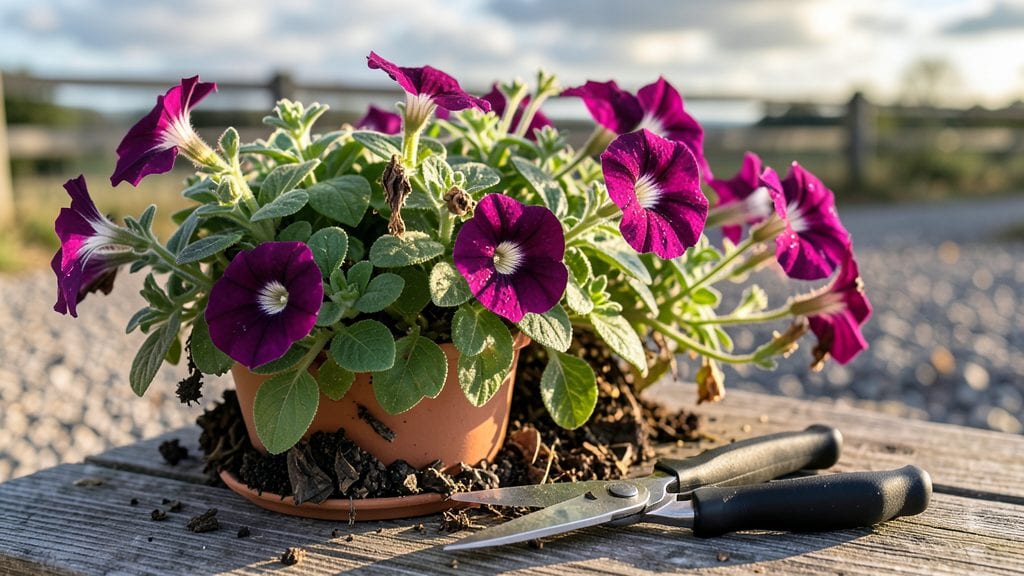
Deadheading plants in October isn’t just about tidying up—it’s the secret to stronger roots and next year’s blooms. I learned this the hard way when my fall asters bolted to seed instead of reblooming, leaving bare stems by winter.
The right cuts now mean healthier perennials and fewer weeds from self-seeding annuals.
You’ll need clean pruners, a sunny day (so cuts heal fast), and a sharp eye for spent blooms. Focus on perennials like coneflowers and annuals like zinnias—they respond best to late-season snips.
Skip deadheading frost-sensitive plants like mums or craspedia, though. Their seed heads add winter interest and protect tender stems.
The payoff? Plants redirect energy to roots instead of seeds, so they’ll emerge earlier and bushier next spring. Just avoid cutting into woody stems or you’ll invite disease. A quick inspection for pests or mildew before you start saves headaches later.
For colder regions, hold off if frost is forecast—wait until temperatures stay above 40°F for a few days. In milder zones, keep deadheading until the first hard freeze. This one habit turns fall cleanup into a springhead start for your garden.
📚 In This Guide
- What you need
- Instructions
- Tips and common mistakes
- Wrapping up and next steps
What you need
- ● Pruning shears: Sharp, bypass-style shears (1 pair) for clean cuts—avoid dull blades that crush stems!
- ● Hand pruners: Small, ergonomic pair (1) for delicate blooms or tight spaces.
- ● Gloves: Heavy-duty, gardening gloves (1 pair) to protect hands from thorns and dirt.
- ○ Garden clippers: Long-reach clippers (optional but handy for tall perennials like Echinacea or Rudbeckia).
- ● Disposable pruning bags: 2–3 mesh bags (10–15 gallon capacity) for easy debris disposal.
- ○ Rake or leaf blower: Lightweight garden rake (for cleanup) or a leaf blower (optional, for large areas).
- ● Hose with nozzle: For rinsing tools and plants post-deadheading.
- ● Compost bin: If you’re composting spent blooms (ensure they’re disease-free!).
- ● Knee pad: For comfort if you’re working on the ground.
- ● Plant identifiers: A field guide or app (like PlantNet) to confirm what you’re pruning.
- ● Mulch: Straw or shredded leaves (1–2 bags) to protect roots after deadheading.
Instructions for deadheading plants in October
Late-season deadheading keeps your garden tidy and primes perennials for next year’s vigor.
Identify Plants Ready for Deadheading
Focus on perennials that have finished blooming or are nearing dormancy. Look for spent flowers where the petals have dropped or turned brown. Annuals like zinnias and marigolds should be deadheaded until frost, while perennials like coneflowers and black-eyed Susans benefit from a more strategic approach. I always check the plant’s growth habit—if it’s woody or has thick stems, it’s likely hardy enough for late-season pruning.
Resist the urge to cut back everything aggressively. Some plants, like ornamental grasses, should only have their seed heads removed, not the entire stem. Wait until after the first frost to cut back herbaceous perennials, as this gives them time to harden off naturally. Use sharp pruners to make clean cuts just above a set of healthy leaves or a leaf node.
Remove Spent Blooms and Seed Heads
Grab your pruners and locate the base of the spent bloom or seed head. Cut just above the first set of leaves or where the stem begins to thicken. This encourages new growth from the base rather than allowing the plant to redirect energy into seed production. For plants like lavender, which form woody stems, trim back about one-third of the oldest growth to promote fresh, vigorous shoots.
If you’re dealing with leggy stems, cut them back to a lower leaf node to maintain a compact shape. Avoid cutting into old wood—it won’t regrow. For plants like coneflowers, leave the dried seed heads if you want to attract birds over winter. Otherwise, snip them off cleanly. Always disinfect your pruners with rubbing alcohol between cuts to prevent spreading disease.
Clean Up Debris and Mulch
Rake up all the cuttings and spent foliage to prevent pests and diseases from overwintering in the garden. Place debris in a compost bin or trash bag—never leave it piled near plants. This is also the perfect time to apply a 2-3 inch layer of mulch around the base of your perennials. Use shredded bark, straw, or leaves to insulate roots and retain moisture.
Mulching now protects plants from temperature fluctuations and keeps soil microbes active longer into winter. Avoid piling mulch directly against stems, as this can cause rot. Instead, create a donut-shaped ring around the plant, leaving a 1-2 inch gap at the base. This simple step makes a huge difference in survival rates for tender perennials.
Assess and Plan for Next Season
Take a moment to evaluate which plants thrived and which struggled. Note which ones needed more deadheading or pruning to stay tidy. If a perennial flopped or failed to rebloom, consider replacing it with a more cold-hardy variety. I always jot down observations in a small notebook or garden journal—it’s invaluable for future planning.
For plants that did well, mark their location with stakes or flags if you’re rotating crops next year. This helps prevent soil depletion and pest buildup. If any plants showed signs of disease, like powdery mildew or black spot, remove and dispose of infected foliage separately. Now’s the time to order seeds or divide overcrowded perennials for spring planting.
Tips & tricks for perfect late-season plant care
Late-season deadheading isn't just about tidying up—it's about setting your garden up for next year's success. These practical tips will help you avoid common mistakes and maximize your plants' winter resilience.
Pruning Precision: When cutting back plants in Step 2, focus on making clean cuts just above a leaf node or where the stem begins to thicken. This simple technique encourages new growth from the base rather than allowing the plant to waste energy on seed production. For woody plants like lavender, trim back about one-third of the oldest growth to stimulate fresh shoots. Remember, cutting into old wood won't regrow, so always target younger stems.
Timing is Everything: In Step 1, resist the temptation to cut back everything aggressively before the first frost. Herbaceous perennials benefit from hardening off naturally after frost, so wait until after that first chilly night to prune. This natural process helps them prepare for winter dormancy. For annuals like zinnias, continue deadheading until frost to encourage continuous blooming.
Mulching Mastery: The 2-3 inch layer of mulch mentioned in Step 3 is your plant's winter blanket. Use organic materials like shredded bark or leaves to insulate roots and retain moisture. The key detail is creating that donut-shaped ring with a 1-2 inch gap at the base—this prevents rot while still providing protection. Apply mulch after the ground has cooled but before hard frosts for best results.
Disease Prevention: Always disinfect your pruners with rubbing alcohol between cuts in Step 2. This simple step prevents cross-contamination and spreads of diseases like powdery mildew or black spot. I keep a small bottle of rubbing alcohol in my gardening toolkit specifically for this purpose—it's one of those small details that makes a big difference in plant health.
Pro Tips for Deadheading Plants October
- Late-season deadheading isn't just about tidying up—it's about setting your garden up for next year's success.
- Pruning Precision: When cutting back plants in Step 2, focus on making clean cuts just above a leaf node or where the stem begins to thicken.
- Timing is Everything: In Step 1, resist the temptation to cut back everything aggressively before the first frost.
Frequently asked questions
Got questions about deadheading in October? You’re not alone! Here are some of the most common concerns—and straightforward answers—to help you tackle late-season plant care like a pro.
Why should I deadhead in October at all?
Deadheading in October isn’t just about tidying up—it’s about preparing your plants for winter. Removing spent blooms redirects energy to root and stem growth, helping perennials store nutrients for next year’s comeback. Plus, it reduces seed production, which can lead to unwanted self-seeding or pests over winter.
Is it too late to deadhead in October?
Not at all! October is a great time for deadheading perennials (like coneflowers, black-eyed Susans, or daylilies) and some annuals (such as zinnias or marigolds). Just avoid cutting back woody plants (e.g., shrubs) or tender perennials (like hostas) until after the first frost—they need time to harden off.
What’s the best way to deadhead woody plants in October?
For shrubs and trees, focus on light pruning to remove dead, diseased, or crossing branches. Avoid heavy cuts—wait until late winter or early spring (when the plant is dormant) for major shaping. In October, stick to sanitizing cuts (use rubbing alcohol on pruners) and avoid over-trimming, which can stress the plant before winter.
Can I skip deadheading and just mulch instead?
Mulching is a fantastic complement to deadheading, but it’s not a replacement. Mulch insulates roots and retains moisture, but it doesn’t remove spent blooms or prevent seed production. For the best results, deadhead first, then add 2–3 inches of mulch around the base of perennials (keep it away from stems to avoid rot).
What if my plants look sad after deadheading?
Don’t panic! A little post-deadheading lag is normal—your plants are redirecting energy. If they look severely wilted or yellowing, check for:
- Underwatering: October air can be dry; water deeply but less frequently.
- Over-pruning: Avoid cutting into old wood or more than ⅓ of the plant at once.
- Pests/disease: Inspect leaves for signs of stress (e.g., holes, spots).
Pro Tip:
For evergreens (like boxwoods or holly), skip deadheading entirely in October. Instead, focus on removing dead foliage and light shaping in early spring to avoid attracting pests to fresh cuts over winter.
Wrapping up and next steps
Deadheading your plants in October is the perfect way to extend blooms, boost next year’s growth, and prep your garden for winter. 🌿 By removing spent flowers, you’re not just tidying up—you’re giving your plants a fresh start and keeping pests at bay.
Whether you’re a seasoned gardener or just starting, this simple task makes a huge difference in your garden’s health.
Ready to take the next step? Grab your pruners, head outside, and enjoy the satisfaction of a well-maintained garden. Your future blooms will thank you! 🌸