
Blooming
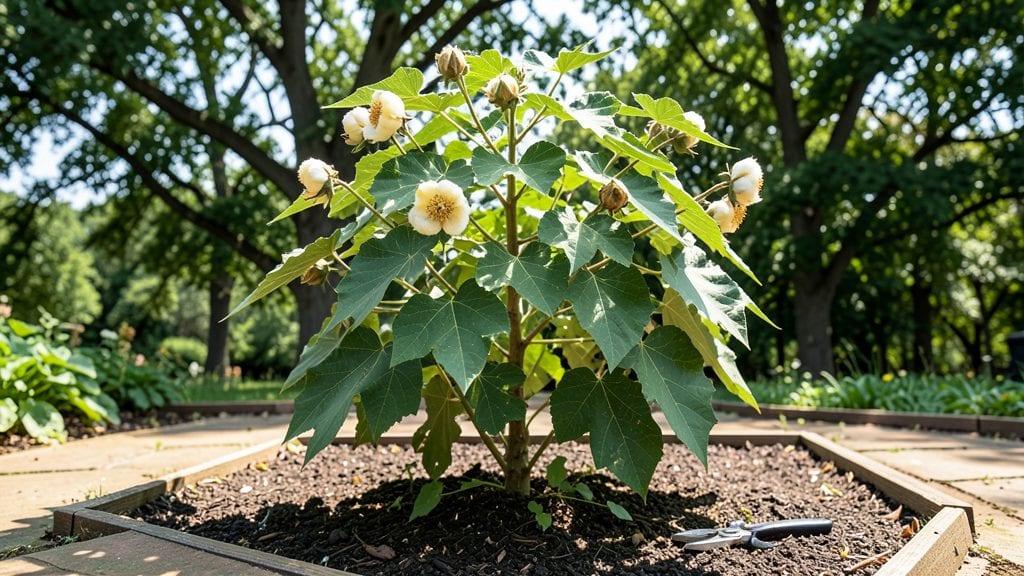
Your cotton plant bloom game changes when you stop fighting nature and work with it—because these plants already know how to put on a show. 🌸 I’ve grown cotton for years, and the secret to those fluffy blooms isn’t complicated: it’s about giving your plant the right conditions without overcomplicating things.
Most gardeners prune too much or water on a schedule, but cotton thrives when you let it grow wild with just a few key adjustments.
The real magic happens in the soil and sunlight. Cotton loves full sun (at least 6-8 hours daily) and well-draining soil that’s slightly sandy—think of it like a desert plant that secretly loves humidity.
Water deeply once a week, letting the top 2 inches dry out between soakings, and skip the pruning unless you’re shaping for aesthetics. My plants produce dozens of blooms without a single cut, and the flowers last longer than most annuals.
What you’ll end up with is a plant that blooms throughout the season—pink, white, or lavender flowers that turn into cotton bolls, all while staying pest-resistant and low-maintenance.
The best part? You’ll spend less time fussing and more time enjoying the show. Here’s how to set it up right the first time.
Works for garden beds, containers, or even as a striking houseplant in warm climates. Once you see how easy it is, you’ll wonder why you didn’t try cotton sooner. Let’s get those blooms going!
📚 In This Guide
- What you need
- Instructions
- Tips and common mistakes
- Wrapping up and next steps
What you need
- ● Cotton plant (Oxybasis or Kochia scoparia): 1–3 mature plants (check local nurseries or online plant shops). Opt for healthy, well-established specimens with green foliage.
- ● Well-draining potting mix: 2–3 bags (10–12 quarts each). Use a blend designed for succulents or cacti (e.g., 60% mineral grit, 30% coco coir, 10% perlite).
- ● Containers or garden bed: For containers: 1–3 pots (10–12 inches in diameter) with drainage holes. Terracotta or ceramic works best.
- ● For in-ground planting: A sunny spot with loose, sandy soil (amend with compost if needed).
- ● Slow-release fertilizer: 1–2 pellets (10–14-10 NPK ratio) or 1 tbsp. granular fertilizer per plant. Apply at planting and again mid-season.
- ● Garden trowel or hand shovel: For transplanting or loosening soil.
- ● Pruning shears: Sharp, sterilized shears (small, 4–6 inch blades) for minimal trimming.
- ● Watering can or hose with a gentle spray nozzle: Avoid overwatering—cotton plants hate soggy roots!
- ○ pH test kit (optional): To check soil pH (ideal range: 6.0–7.5). Adjust with lime or sulfur if needed.
- ○ Mulch (optional): 1–2 inches of gravel or pebbles to retain moisture and deter weeds.
- ● Sunlight: Full sun (6+ hours daily). Partial shade may reduce blooms.
- ● Temperature: Hardy to USDA Zones 3–11. Protect from frost if in cooler climates.
- ● Watering routine: Water deeply once a week (or when top 1–2 inches of soil are dry). Drought-tolerant once established!
Step-by-step guide for encouraging cotton plant blooms
Here’s how to coax vibrant blooms from your cotton plants with simple care.
🌱 Step 1: Plant in Well-Draining Soil and Full Sun
Cotton thrives in loose, fertile soil with excellent drainage—think sandy loam or amended garden beds. Mix in 2-3 inches of compost before planting to boost nutrients, which directly supports flower production. I dig holes twice as wide as the root ball to encourage root spread, then place the plant so the top of the root ball sits 1 inch below soil level. This ensures stability without burying the stem too deep.
Position your cotton plants in a spot with at least 8 hours of full sun daily. Partial shade slows growth and reduces blooms. If your garden lacks direct sun, supplement with a grow light positioned 12-18 inches above the plants for 14 hours a day. You’ll notice leaves turning pale or stems stretching toward light—these are signs your plant needs more brightness.
💧 Step 2: Water Deeply and Consistently
Water cotton plants at the base with 1-2 gallons per plant weekly, soaking the soil to a depth of 6-8 inches. Shallow watering encourages weak roots and fewer blooms. I check moisture by sticking my finger 2 inches deep—if it feels dry, it’s time to water. Avoid wetting leaves to prevent fungal diseases like powdery mildew, which can stunt flower development.
During hot spells, increase watering to every 2-3 days, but never let the soil stay soggy. Overwatering causes root rot, which kills the plant before it can bloom. Mulch around the base with 2-3 inches of organic mulch to retain moisture and regulate soil temperature. This simple step keeps roots happy and blooms coming.
☀️ Step 3: Fertilize for Flower Production
Use a balanced fertilizer (like 10-10-10) at half-strength every 4-6 weeks starting when plants are 12 inches tall. Too much nitrogen makes plants grow leaves instead of flowers. I switch to a low-nitrogen, high-phosphorus fertilizer (like 5-10-5) when buds form to encourage blooming. Apply fertilizer in the early morning so it has time to soak in before evening heat.
Watch for yellowing leaves or stunted growth—these are signs of over- or under-fertilizing. If you see excessive leaf growth with no buds, cut back on nitrogen. For container-grown cotton, reduce fertilizer amounts by half since roots have less space to absorb nutrients. Healthy foliage supports strong stems that hold blooms upright.
✂️ Step 4: Prune Strategically to Encourage Blooms
Prune cotton plants lightly to improve airflow and redirect energy to flowers. Remove any dead, yellowed, or crossing branches with clean sterilized pruners. I also pinch off the first few buds that form near the base—this encourages the plant to focus energy on stronger, higher-up blooms. Prune in the early morning when plants are hydrated and wounds seal faster.
Avoid heavy pruning, as cotton plants are sensitive to stress. If you notice new growth slowing after pruning, the cut was too severe. Instead, aim for selective trimming—just enough to shape the plant without removing more than 20% of the foliage. This keeps the plant blooming steadily without shock.
🌿 Step 5: Protect and Maintain for Long-Lasting Blooms
Shield cotton plants from strong winds and heavy rain, which can damage delicate buds. Use stakes or cages if needed, especially in exposed areas. I also monitor for pests like aphids or spider mites, which suck sap and weaken plants. Spray infested areas with neem oil or insecticidal soap at the first sign of pests to prevent spread.
Deadhead spent blooms by snipping stems just above the next set of leaves to encourage new flowers. This keeps the plant focused on producing rather than seeding. In cooler climates, bring potted cotton indoors before temperatures drop below 50°F—they’re tender perennials that need warmth to rebloom. With consistent care, your cotton plant will reward you with months of vibrant color.
Tips & tricks for perfect cotton plant blooms
Here's what I've learned after years of growing cotton plants with vibrant, long-lasting blooms—these small tweaks make all the difference.
Soil Preparation Secret: Before planting, mix in 2-3 inches of compost and add a handful of perlite or coarse sand to improve drainage. Cotton roots need air, and compacted soil leads to weak stems and fewer blooms. I also add a slow-release fertilizer at planting time to give the plant a nutrient boost right away—this jumpstarts flower production. The key is creating that loose, crumbly texture where roots can spread freely.
Lighting Strategy: If your garden doesn't get enough natural sunlight, position your grow light 12-18 inches above the plants and run it for 14 hours daily. I use a timer to automate this so I don't forget. For extra vibrancy, add a small LED bulb with a warm white spectrum—cotton plants respond well to this light quality. Watch for leaves turning pale or stretching toward light; these are clear signs your plant needs more brightness to produce those signature blooms.
Pruning Precision: When you pinch off those first few buds near the base (as mentioned in Step 4), focus on removing only the very bottom buds where they meet the main stem. This redirecting of energy to higher buds creates stronger, more abundant blooms. I use clean, sharp pruners and make cuts at a 45-degree angle just above a leaf node. The early morning timing is crucial—it gives the plant time to heal before evening temperatures drop.
Temperature Transition: If you're in a cooler climate, start preparing your potted cotton plants for indoor transition when temperatures approach 50°F. Gradually move them indoors over 3-4 days to avoid shock. Place them near a south-facing window where they can still get plenty of light. I've found that maintaining consistent warmth above 50°F helps cotton plants continue blooming indoors during winter months—just keep an eye out for any signs of stress like leaf drop or yellowing.
Pro Tips for Cotton Plant Bloom
- Here's what I've learned after years of growing cotton plants with vibrant, long-lasting blooms—these small tweaks make all the difference.
- Soil Preparation Secret: Before planting, mix in 2-3 inches of compost and add a handful of perlite or coarse sand to improve drainage.
- Lighting Strategy: If your garden doesn't get enough natural sunlight, position your grow light 12-18 inches above the plants and run it for 14 hours daily.
Frequently asked questions
Got questions about nurturing vibrant cotton plant blooms? You’re not alone! Here are answers to the most common queries—from timing to troubleshooting—so you can enjoy lush, low-maintenance color all year.
When do cotton plants typically bloom?
Cotton plants (like Gossypium varieties) usually bloom 6–8 weeks after planting in warm climates, often between late spring and early summer. However, some dwarf or hybrid types (like Abelmoschus manihot) may bloom earlier—even as soon as 4–6 weeks! Check your seed packet for specifics, and ensure full sun (6+ hours/day) and well-draining soil to encourage timely blooms.
How can I speed up blooming?
To coax earlier blooms, prune leggy stems to encourage bushier growth, and fertilize lightly with a balanced, phosphorus-rich formula (like 10-10-10) when planting. Deadhead spent blooms regularly to redirect energy to new flowers. For container growers, move pots to a sunnier spot or use a small grow light (12–14 hours/day) to mimic long summer days. Patience pays off—most cotton plants reward consistency with blooms within 2–3 months!
Why aren’t my cotton plant flowers opening?
Bud drop or unopened blooms often signal stress. Check for these fixes:
- Water issues: Overwatering (root rot) or underwatering (wilting) can halt blooms. Aim for 1–1.5 inches of water weekly.
- Temperature shock: Cotton plants thrive in 70–90°F; frost or sudden cold snaps (<50°F) can stall blooming. Use row covers in early spring/fall if needed.
- Nutrient deficiency: Yellow leaves? Add magnesium (Epsom salt) or a potassium-rich fertilizer to support flower development.
Can I grow cotton plants indoors for blooms?
Dwarf varieties like ‘Cotton Candy’ or ‘Pink Cotton’ thrive indoors with bright light (south-facing window or grow lights) and humidity (mist leaves or use a pebble tray). Use a well-draining pot (12+ inches deep) and fertilize monthly with a half-strength bloom booster. Expect smaller blooms than outdoor plants, but the effort is worth the tropical vibes!
What are some low-maintenance alternatives to cotton plants?
If cotton plants feel too high-maintenance, try these easy-care bloomers with minimal pruning:
- Lantana: Drought-tolerant, attracts pollinators, and blooms nonstop in sun.
- Zinnia: Fast-growing, cut-and-come-again blooms in vibrant colors.
- Portulaca (Moss Rose): Thrives in heat, spreads effortlessly, and blooms all summer.
- Salvia: Drought-resistant, deer-proof, and packed with long-lasting spikes.
Wrapping up and next steps
The cotton plant bloom isn’t just a fleeting spectacle—it’s a year-round celebration of vibrant color with minimal effort! 🌸 By understanding its needs and embracing a few simple care tips, you’ve unlocked the secret to lush, blooming plants that thrive with confidence.
Whether you’re a gardening newbie or a seasoned green thumb, these insights make the process effortlessly rewarding.
Ready to transform your space? Start by selecting your favorite cotton plant varieties and experiment with placement—your garden (or balcony!) will thank you. Happy planting! 🌿