
Planting
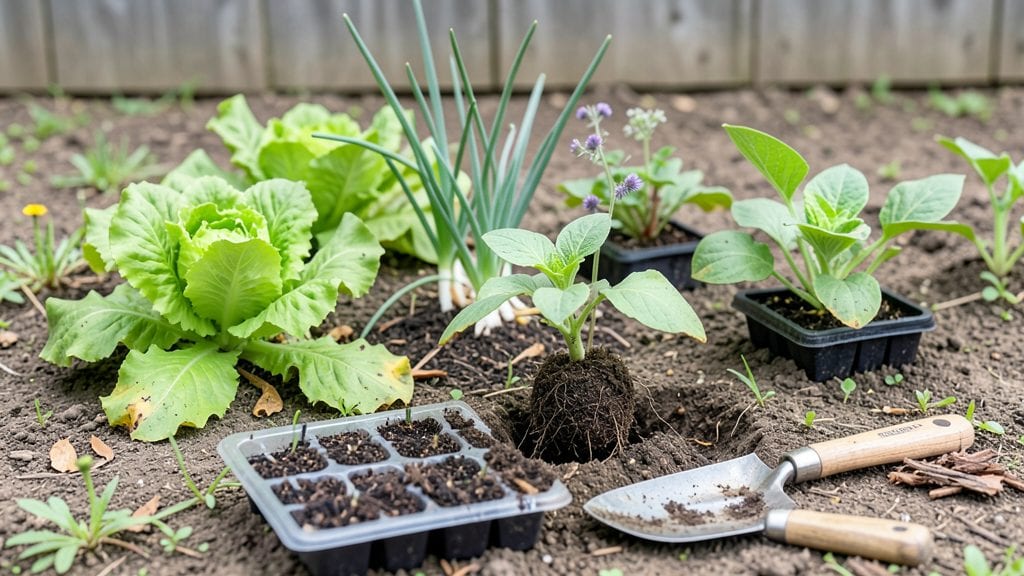
Getting your Colorado planting schedule right means the difference between a lush garden and a frozen mess—especially when Denver’s chilly springs and late summers throw off the usual timing.
Colorado’s unique high-altitude climate means your planting schedule can’t follow the same rules as lower elevations—get it wrong, and your garden could freeze, bolt, or fail entirely. But with the right timing, you’ll grow thriving vegetables, flowers, and herbs year-round, even in Denver’s chilly springs and late summers.
Whether you’re a first-time gardener or a seasoned pro, knowing when to plant 🌱 in Colorado’s USDA Zones 5-7 is key. From cool-season crops like spinach to heat-loving tomatoes, the right schedule keeps your garden productive from April through October.
Below, I’ll break down the best months to plant, adjust for microclimates, and share tips to maximize your harvest—so you can enjoy fresh produce all season long.
Colorado planting schedule by month: when to plant in different hardiness zones
Colorado’s diverse USDA hardiness zones (4-7) create unique planting challenges, from Denver’s chilly springs to the Western Slope’s longer growing seasons. Unlike lower elevations, our high-altitude gardens demand precise timing—plant too early, and frost will kill tender seedlings; too late, and your harvest arrives after the first freeze.
Understanding your last spring frost (typically mid-April in Zone 5) and first fall frost (early October) is critical for success.
Even within Colorado, microclimates vary dramatically. The Front Range (Denver, Boulder) often has earlier frosts than the Western Slope (Grand Junction, Durango), where warmer temperatures allow extended growing seasons. Meanwhile, the Eastern Plains (Pueblo, Colorado Springs) experience hotter summers and colder winters, requiring careful crop selection.
Below, I’ve broken down the month-by-month planting schedule tailored to these regions, including cool-season vs. warm-season crops and frost-sensitive plants.
🌱
| Month | Hardiness Zones | Plant Type | Key Crops | Frost Notes |
|---|---|---|---|---|
| March | Zones 5-7 | Cool-season starts | Peas, spinach, kale, onions, potatoes | Frost possible; use row covers |
| April | Zones 5-7 | Direct sow hardy crops | Lettuce, radishes, carrots, broccoli, cabbage | Last frost mid-April; wait for soil >50°F |
| May | Zones 5-7 | Warm-season starts | Tomatoes, peppers, beans, corn, cucumbers | Night temps >55°F; harden off seedlings |
| June | Zones 6-7 | Succession plant | Basil, squash, melons, okra | Hot days; mulch to retain moisture |
| July-August | Zones 5-7 | Fall prep | Garlic, cover crops, cold-hardy greens | Watch for late heatwaves; extend season |
| September | Zones 5-7 | Cool-season restart | Spinach, arugula, Brussels sprouts, beets | First frost late Sept-Oct; use cold frames |
| October-Nov | Zones 6-7 | Winterize | Garlic, onions, hardy perennials | Frost likely; protect tender plants |
*Adjust dates 1-2 weeks earlier for Western Slope (Zones 6-7) and later for Eastern Plains (Zone 5).
For Zone 5 (Eastern Plains and higher elevations like Steamboat Springs), start cool-season crops like peas and spinach in early March under row covers. By mid-April, when the last frost typically passes, you can direct-sow lettuce, radishes, and carrots.
Wait until late May to plant tomatoes and peppers, as soil temperatures must reach 60°F+ for warm-season crops to thrive. In Zone 6-7 (Denver, Fort Collins, Western Slope), you can push warm-season planting into early May, and even extend fall harvests with cold frames until November
Best cold-hardy vegetables for Colorado’s short growing season
Colorado’s chilly springs and early frosts demand cold-hardy vegetables that thrive in USDA Zones 4-7. These resilient crops tolerate cool soil temperatures and short growing seasons, ensuring bountiful harvests even when summer feels fleeting.
My top picks—spinach, kale, potatoes, and peas—are just the beginning of a list that will keep your table stocked from spring to fall.
Timing is everything in Colorado’s high-altitude gardens. Plant too early, and frost will nip your seedlings. Too late, and your warm-season crops won’t mature before the first frost.
The key is to align your planting schedule with Colorado’s last spring frost (typically mid-April) and first fall frost (around mid-October). Below, I’ve outlined the best cold-hardy vegetables and their ideal planting windows.
🌱 Colorado Planting Schedule for Cold-Hardy Vegetables
- Spinach & Kale – Direct sow in early spring (March-April) or late summer (August-September) for fall harvests. Use row covers to extend season.
- Potatoes – Plant seed potatoes in early spring (April) when soil reaches 40°F. Choose early-maturing varieties like Yukon Gold or Red Pontiac.
- Peas – Sow sugar snap or snow peas in late winter (February-March) or early fall (September). They thrive in cool temperatures and tolerate light frosts.
- Beets & Carrots – Direct sow March-April or August-September. Thin seedlings to 2-3 inches apart for optimal growth. Varieties like Detroit Dark Red or Nantes carrots excel.
- Lettuce – Plant leaf lettuce in early spring (March-April) or late summer (August). Use shade cloth in summer to prevent bolting. Romaine and Buttercrunch are reliable choices.
- Broccoli & Cabbage – Start indoors in March or transplant April-May. These cool-season crops handle light frosts and mature well before summer heat arrives.
- Radishes – Fast-growing and frost-tolerant, sow March-April or August-September for quick harvests. Cherry Belle or French Breakfast are great picks.
To extend your growing season, I swear by row covers or cold frames. These simple tools can add 2-4 weeks to your harvest window, protecting tender crops from late frosts.
For example, I’ve used floating row covers to keep spinach and lettuce growing well into November—even in Denver’s Zone 5 climate.
Don’t overlook fall planting as a strategy to beat Colorado’s short season. Many cool-season crops like kale, carrots, and radishes perform better in the milder fall temperatures than the scorching summer heat.
I’ve had my best kale harvests in October, when the weather is crisp and the leaves are sweeter.
For high-altitude success, choose fast-maturing varieties and prioritize disease-resistant strains. Colorado’s dry air and intense sunlight can stress plants, so mulch heavily to retain moisture and protect roots. My go-to mulch is straw or shredded leaves, which also suppress weeds and regulate soil temperature.
With the right cold-hardy vegetables and a smart planting schedule, you’ll turn Colorado’s challenges into opportunities. Start with these top 10 crops, experiment with season extenders, and soon you’ll be enjoying homegrown harvests year-round—no matter how short (or chilly) your growing season may be. 🌱