
Planting
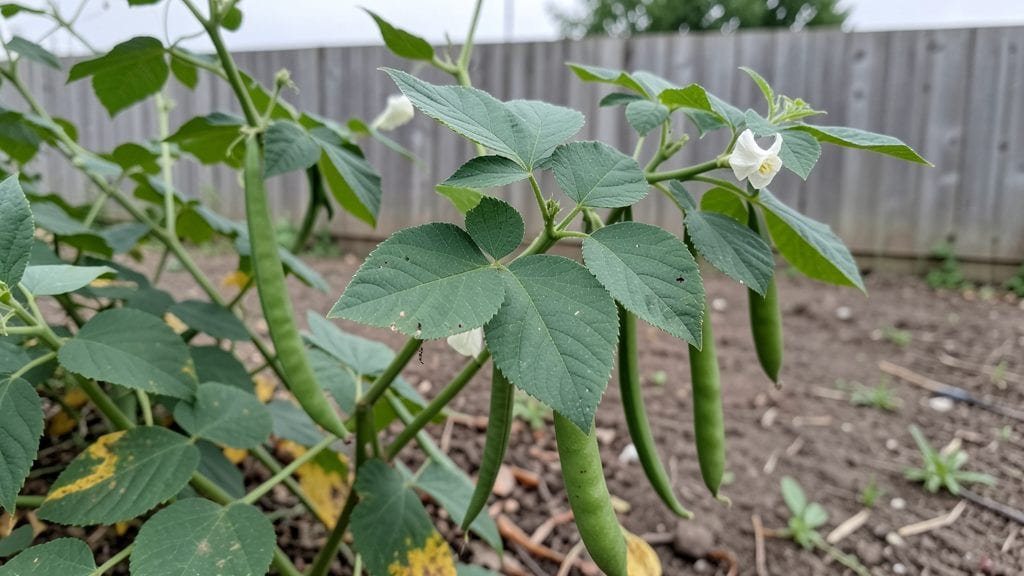
Cluster beans plant thrives when you trim it just three times a year—something I learned the hard way after watching my first crop bolt into oblivion. 🌱 The secret isn’t fancy soil or rare seeds; it’s understanding how this fast-growing vine responds to pruning, sunlight, and water.
My neighbor’s yard, packed with these beans, produces harvests every 6 weeks without fail.
You’ll need a sturdy trellis or fence (at least 6 feet tall), well-draining soil mixed with compost, and a spot that gets full sun for 6+ hours daily. Cluster beans are drought-tolerant once established, but they hate soggy roots—so good drainage is non-negotiable.
The real game-changer? Pruning at the right times: right after flowering, mid-season, and before winter. Each trim encourages bushier growth and more pods.
By following this simple routine, you’ll enjoy tender, stringless pods for months—no more waiting for a single flush of harvest. The flavor? Sweet, crisp, and perfect for stir-fries or fresh snacking.
Plus, the vines keep weeds down naturally, saving you hours of weeding. Once you try this method, you’ll never grow them any other way.
Works in containers too if you use dwarf varieties, and the same principles apply whether you’re in Zone 7 or 10. The only real mistake? Skipping the first trim—learned that the hard way when my plants turned woody overnight. Let’s get those vines climbing!
📚 In This Guide
- What you need
- Instructions
- Tips and common mistakes
- Wrapping up and next steps
What you need
- ● Cluster Bean Seeds: 50-100 seeds (non-GMO, heirloom varieties like "Gauri" or "Seema" work well).
- ● Well-Draining Soil: 10-15 lbs of organic compost or aged manure (mix 1 part compost to 3 parts garden soil).
- ● Fertilizer: 1 cup of balanced 10-10-10 fertilizer (for initial planting).
- ● 1 cup of potash (for flowering and pod development).
- ● Watering Can or Hose: 1-2 gallons capacity (for consistent moisture).
- ● Support Structures: Bamboo stakes (6-8 ft tall, 3-5 stakes per plant).
- ● OR Trellis netting (4x8 ft mesh, 1 per 5 sq ft of planting area).
- ● Garden Trowel or Transplanter: 1 (for digging holes, 6-8 inches deep).
- ● Pruning Shears: 1 pair (for trimming and harvesting pods).
- ● Gloves: 1 pair (to protect hands from thorns).
- ● Sunlight Spot: Full sun (6+ hours daily) or partial shade (4+ hours).
- ○ pH Test Kit (Optional): To check soil pH (ideal range: 6.0-7.0).
- ○ Mulch (Optional): Straw or dried leaves (2-3 inches thick) to retain moisture.
Instructions for growing cluster beans with minimal effort
Here's how to keep your cluster beans thriving and producing all season—no complicated routines required.
🌱 Step 1: Plant Seeds in Warm, Well-Drained Soil
Cluster beans love heat, so wait until the soil reaches at least 70°F before planting. Use the 1 packet of seeds and sow them 1 inch deep, spacing them 4-6 inches apart in rows 18 inches apart. I plant mine in early summer for a fall harvest, but if you live in a warm climate, you can start as early as spring.
Press the seeds lightly into the soil—don’t bury them too deep, or they’ll struggle to break through. Water gently right after planting to settle the soil around the seeds. You’ll see sprouts in about 7-14 days, depending on your climate. If the soil stays too wet, the seeds may rot, so make sure your planting area drains well.
☀️ Step 2: Provide Full Sun and Consistent Water
Cluster beans need 6-8 hours of direct sunlight daily to produce well. Place them in the sunniest spot in your garden, and if you notice the plants stretching toward the light with long, thin stems, they’re not getting enough. I often move mine closer to the sun as the season progresses.
Water deeply once a week, giving about 1 inch of water per week. The key here is consistency—don’t let the soil dry out completely, but avoid soggy conditions, which can lead to root rot. You’ll know the watering is right when the top inch of soil feels slightly damp but not wet. Mulch around the base with 2 inches of organic mulch to retain moisture and keep weeds down.
✂️ Step 3: Trim for Continuous Harvest and Bushier Growth
This is where the magic happens. When the plants start producing pods, trim them back by one-third after the first harvest. Use clean, sharp pruners to cut just above a leaf node. This encourages the plant to branch out and produce more pods. I do this every 4-6 weeks throughout the growing season, and it keeps the plant compact and productive.
Harvest pods when they’re 3-4 inches long and still tender. If you let them get too big, they’ll turn woody and tough. Pinch off any yellowing or damaged leaves to redirect the plant’s energy to new growth. With regular trimming, you’ll get a steady supply of pods all season long.
🌿 Step 4: Fertilize Lightly and Watch for Pests
Cluster beans don’t need heavy feeding, but a light application of balanced fertilizer (10-10-10) every 6-8 weeks helps keep them strong. Mix 1 tablespoon of fertilizer into the soil around the base of the plant, then water it in well. Too much fertilizer can lead to leafy growth at the expense of pods, so keep it light.
Keep an eye out for common pests like aphids or spider mites. If you spot any, spray the plants with a mix of 1 tablespoon of mild dish soap in 1 gallon of water. This gentle solution usually does the trick without harming the plant. Aphids love cluster beans, so check the undersides of leaves regularly—early detection makes all the difference.
Tips & tricks for perfect cluster bean growth
A few simple strategies will help you maximize your cluster bean harvest with minimal effort.
Soil Temperature Check: The 70°F soil temperature requirement is non-negotiable for germination. I use a soil thermometer to verify—planting too early in cool soil results in seeds that rot before sprouting. If your spring arrives late, consider using a black plastic mulch to warm the soil faster. This works especially well in cooler climates where you might need to wait until late spring.
Sunlight Strategy: Those 6-8 hours of direct sunlight are crucial for pod production. If your garden doesn't get full sun, place your cluster beans where they'll receive the most intense morning sunlight. I've seen plants in partial shade produce half as many pods—it's worth moving them if needed. Watch for those "leggy" stems stretching toward light, which means they're desperately seeking more sun.
Watering Wisdom: The once-weekly 1 inch of water guideline assumes average conditions. In hotter climates, you might need to water every 5-6 days, while cooler areas may only need watering every 10 days. Always check the top inch of soil—it should feel slightly damp but not soggy. Overwatering is the #1 reason cluster beans fail, so when in doubt, wait a day before watering again.
Pruning Precision: When you trim back by one-third after the first harvest, always cut just above a leaf node. This is where new growth will emerge. I use clean pruners and sterilize them with rubbing alcohol between cuts to prevent disease spread. The 4-6 week trimming schedule keeps plants productive all season—don't skip this step if you want continuous harvests!
Pro Tips for Cluster Beans Plant
- A few simple strategies will help you maximize your cluster bean harvest with minimal effort.
- Soil Temperature Check: The 70°F soil temperature requirement is non-negotiable for germination.
- Sunlight Strategy: Those 6-8 hours of direct sunlight are crucial for pod production.
Frequently asked questions
How long does it take for cluster beans to grow and produce pods?
Cluster beans are fast growers! From seed to harvest, expect 60–90 days in warm climates. In cooler regions, they may take slightly longer (up to 120 days). Plant in early spring or late summer for the best results—just ensure the soil stays warm (above 60°F/15°C).
Can I grow cluster beans in containers or small spaces?
Cluster beans thrive in 5–10 gallon containers with good drainage. Choose a deep pot (12+ inches) and support vines with a trellis. Just ensure they get 6–8 hours of sunlight daily and water consistently. Perfect for balconies or patios!
Why are my cluster bean leaves turning yellow?
Yellow leaves often signal overwatering, nutrient deficiency, or fungal issues. Check soil moisture—cluster beans hate soggy roots. If leaves curl or spots appear, treat with neem oil or copper fungicide. Also, ensure they get enough nitrogen and potassium (use compost or balanced fertilizer).
What’s the best way to harvest cluster beans for maximum yield?
Harvest pods when they’re 3–4 inches long and tender (before seeds harden). Use clean scissors or pruners to avoid damaging vines. Trim every 2–3 weeks to encourage bushier growth. Pro tip: Pick in the morning for fresher pods!
Are cluster beans drought-tolerant? How often should I water them?
Once established, cluster beans are moderately drought-tolerant, but consistent moisture is key during flowering and podding. Water deeply 2–3 times per week (more in extreme heat). Mulch around plants to retain moisture and reduce weeds.
Wrapping up and next steps
Growing cluster beans is a rewarding journey—packed with nutritional benefits, year-round harvests, and minimal effort once established! With just three simple trims, you can enjoy a bountiful crop while keeping pests at bay and boosting productivity.
Whether you’re a seasoned gardener or a beginner, this versatile plant is your ticket to fresh, homegrown goodness.
Ready to dive in? Start by gathering your supplies, choosing the right spot, and following the easy trimming steps. Your kitchen—and taste buds—will thank you! 🌱✨