Companion Plants
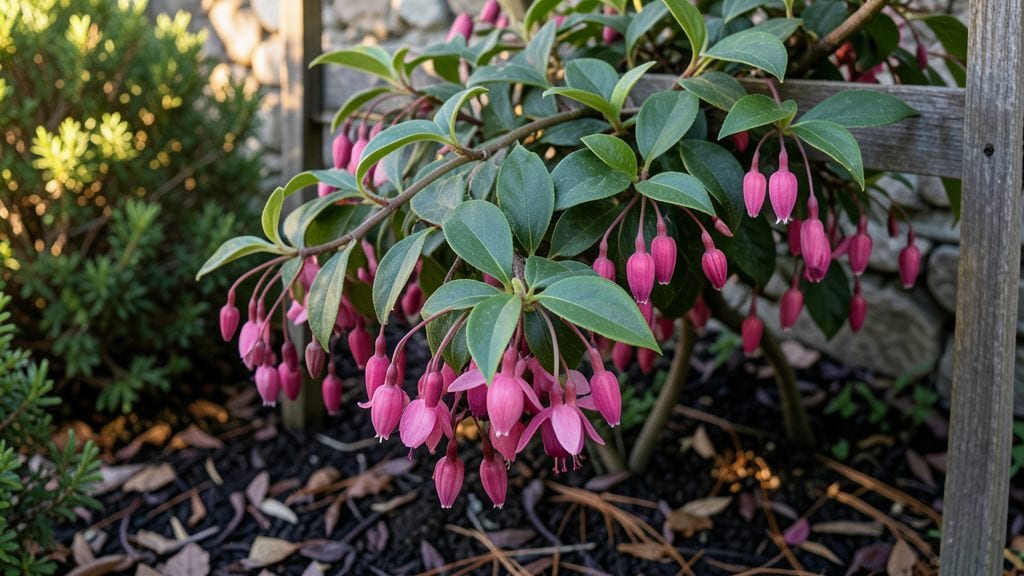
The climbing fuchsia plants I’ve grown for years transform walls into waterfall gardens of velvety blooms, and their secret isn’t complicated—it’s all about light, humidity, and a little patience. 🌿 These plants thrive where others struggle, draping themselves over trellises or hanging baskets with effortless grace.
The right setup makes all the difference: partial shade, well-draining soil, and consistent moisture keep them blooming from spring until frost. My ‘Riccartonii’ variety produces 3-inch flowers all season, and with the right pruning, they stay compact and lush. Even in hotter climates, a little afternoon shade prevents wilting.
You’ll end up with a living tapestry of color—deep purples, pinks, and whites—that hummingbirds can’t resist. The best part? They’re forgiving. A little neglect won’t kill them, but proper care means nonstop blooms from May through October. Here’s how to get started without the guesswork.
Works just as well in containers as in the ground, so whether you’ve got a balcony or a sunny patio, these vines will transform your space. Let’s get those roots growing!
📚 In This Guide
- What you need
- Instructions
- Tips and common mistakes
- Wrapping up and next steps
What you need
- ● Climbing Fuchsia Plants: 2–5 young fuchsia plants (choose trailing varieties like Fuchsia ‘Giant Marble’ or Fuchsia ‘Lady Boothby’ for best results).
- ● Support Structure: Trellis (4–6 ft tall, metal or wooden)
- ● OR hanging baskets (10–14" diameter, with drainage holes)
- ● OR obelisk or A-frame stakes (for vertical growth)
- ● Potting Mix: 1–2 bags of well-draining, peat-based mix (or add perlite/pumice for aeration).
- ● Containers (if not planting in ground): 1–2 pots (10–12" deep) with drainage holes.
- ● Fertilizer: Balanced liquid fertilizer (10-10-10 or 20-20-20, diluted to half-strength).
- ● Gloves & Pruning Shears: For handling and trimming (sterilize shears with rubbing alcohol!).
- ● Mulch: Organic mulch (e.g., shredded bark) to retain moisture.
- ● Spray Bottle: For misting (fuchsias love humidity!).
- ○ Stakes/Ties (optional): Soft plant ties or clips to secure vines to trellises.
- ○ Shade Cloth (optional): 30–50% shade cloth for hot climates (fuchsias prefer partial shade).
- ● Location: Bright, indirect light (east or north-facing windows/patio). Avoid harsh afternoon sun.
- ● Climate: Thrives in USDA Zones 9–11; in colder zones, grow as annuals or overwinter indoors.
- ● Watering Commitment: Keep soil consistently moist (not soggy) during growing season.
Step-by-Step guide to cultivating climbing fuchsia plants
Here’s how to coax those dramatic, trailing fuchsias into lush vertical displays—no green thumb required.
🪴 Step 1: Select Containers and Prepare the Growing Medium
Climbing fuchsias thrive in hanging baskets or wall-mounted planters with at least 12 inches of depth to accommodate their sprawling roots. I use terracotta pots for their breathability, but plastic works too if you drill extra drainage holes. Fill each container with a mix of 50% peat-based potting soil and 50% perlite or orchid bark—this ensures aeration while retaining moisture without suffocating roots.
Moisten the mix until it feels like a wrung-out sponge: damp but not dripping. Avoid garden soil, which compacts easily and invites fungal rot. Add a slow-release fertilizer (like 10-10-10) at planting time—just 1 tablespoon per gallon of soil—to give your fuchsias a nutrient head start. This prevents the leggy growth that happens when plants scramble for food.
🌱 Step 2: Plant and Stake for Vertical Growth
Gently remove your fuchsia from its nursery pot and tease the roots apart if they’re circling—this encourages outward growth. Place the plant in the center of the container, then fill around the base with the prepared mix, pressing lightly to eliminate air pockets. Climbing fuchsias need support right away, so insert a 5-foot bamboo stake or trellis into the pot before backfilling soil. Secure the main stem to the stake with soft plant ties, leaving 2-3 inches of stem exposed above the soil.
Water deeply until it drains freely from the bottom. Fuchsias hate soggy roots but also despise drought stress—aim for consistently moist (not waterlogged) soil. Place the container in bright, indirect light for the first week to help the plant establish without shock. This is where most growers fail: too much sun too soon causes leaf scorch, while too little light leads to weak stems that can’t support their own weight.
☀️ Step 3: Train Vines and Manage Light Exposure
Once your fuchsia has 4-6 inches of new growth, it’s time to guide those vines upward. I weave the trailing stems through the trellis or wrap them gently around the stake, securing each 6-inch section with a fresh tie. This prevents the stems from snapping under the weight of flowers. Fuchsias grow fastest in morning sun and afternoon shade, so position your containers where they get 4-6 hours of direct light daily—a south- or east-facing window or porch is ideal.
Rotate the pots quarter-turn weekly to ensure even growth. You’ll notice the vines lean toward the light; this is normal, but without rotation, one side becomes woody and bare. If you see yellowing leaves, it’s a sign of overwatering or poor drainage—let the top inch of soil dry out before watering again. Fertilize every 4-6 weeks with a balanced liquid fertilizer (diluted to half-strength) to fuel that vibrant blooming.
💧 Step 4: Prune and Encourage Continuous Blooms
Pinch back the tips of new growth when stems reach 12 inches long to encourage bushier, more robust vines. This isn’t just about aesthetics—pruning reduces legginess and forces the plant to produce more side shoots, which means more flowers. Deadhead spent blooms weekly by snipping the stem just above the first set of leaves below the flower. This redirects the plant’s energy into new buds instead of seed production.
Fuchsias bloom best when daytime temperatures stay between 65-75°F—hotter than that, and the flowers drop prematurely. If your climate dips below 50°F at night, move the containers indoors or cover them with frost cloth. I’ve seen fuchsias recover from light frosts, but prolonged cold weakens them permanently. Watch for aphids or spider mites on the undersides of leaves—spray with neem oil at the first sign of pests, as these insects sap the plant’s vitality and stunt growth.
⏰ Step 5: Overwinter and Prepare for Next Season
When temperatures drop below 50°F consistently, it’s time to bring your fuchsias indoors. Cut back the vines by one-third to reduce stress on the plant, then repot into clean containers with fresh potting mix. Place them near a south-facing window or under grow lights for 12-14 hours of light daily. Reduce watering to every 10-14 days, allowing the top 2 inches of soil to dry out between waterings—this mimics their natural dormancy period.
Resume regular care in early spring when you notice new growth. This is the moment to divide any overcrowded plants—gently separate the stems and repot them into their own containers. You’ll often get two or three new plants from a single division, which is how I’ve expanded my collection over the years. By late spring, your fuchsias will be ready to return outdoors, and with proper care, they’ll reward you with nonstop blooms until frost.
Tips & tricks for perfect climbing fuchsia plants
A few key strategies will transform your climbing fuchsias from struggling vines into showstopping vertical cascades. Here's what I've learned after years of trial and error.
Container and Soil Selection: The 50/50 mix of peat-based potting soil and perlite or orchid bark is non-negotiable for proper aeration. I've found that adding a handful of coconut coir to the mix improves moisture retention without compacting—especially useful in hotter climates. For containers, terracotta may be my go-to, but I've had great success with fabric grow bags that allow roots to breathe while preventing waterlogging. The key is ensuring those drainage holes are large enough to prevent root rot, which is the silent killer of fuchsias.
Light Exposure Strategy: The 4-6 hours of morning sun and afternoon shade rule is critical, but don't stop there. I've discovered that placing containers on a rotating plant stand every few days helps prevent the vines from leaning toward one light source. This creates more uniform growth and prevents those unsightly bare patches. If you notice new growth stretching toward light, it's time to adjust your placement—this is your plant's way of telling you it needs more balanced exposure.
Pruning Technique: When pinching back those 12-inch stems in Step 4, I always look for the first set of leaves below the flower cluster—this is where new side shoots will emerge. The secret is to use clean, sharp scissors and make your cuts at a 45-degree angle just above a leaf node. This prevents water from pooling on the cut surface, which could lead to rot. I've found that doing this pruning in the morning gives the plant the entire day to recover before nightfall, which is when most fungal issues develop.
Overwintering Insight: That one-third vine reduction in Step 5 might seem drastic, but trust me on this—it's about survival, not aesthetics. I've seen fuchsias recover beautifully after this pruning, often producing even more vigorous growth in spring. When bringing them indoors, I always place them near a grow light for those critical 12-14 hours of light. Without this, you'll notice the stems elongate dramatically as they search for light, a condition called "etiolation" that weakens the plant. The key is maintaining that light consistency during dormancy.
Pro Tips for Climbing Fuchsia Plants
- A few key strategies will transform your climbing fuchsias from struggling vines into showstopping vertical cascades.
- Container and Soil Selection: The 50/50 mix of peat-based potting soil and perlite or orchid bark is non-negotiable for proper aeration.
- Light Exposure Strategy: The 4-6 hours of morning sun and afternoon shade rule is critical, but don't stop there.
Frequently asked questions
Got questions about growing these stunning climbers? You’re not alone! Here are answers to the most common queries about climbing fuchsia plants—from care tips to troubleshooting—so you can keep your vertical garden thriving.
How fast do climbing fuchsias grow, and how tall can they get?
Climbing fuchsias typically grow 6–12 inches per year, reaching heights of 6–10 feet with proper support (like trellises or obelisks). With ideal conditions—full sun to partial shade, consistent moisture, and regular pruning—they can even sprawl wider than they grow tall! Patience is key; these beauties take time to reach their full, cascading potential.
When is the best time to plant climbing fuchsias for blooms next year?
Plant in early spring (after the last frost) or early fall for the best results. Spring planting gives roots time to establish before summer heat, while fall planting allows them to settle in before winter dormancy. Avoid planting in mid-summer—the heat can stress young plants, delaying blooms for the following season.
Can I grow climbing fuchsias in containers or hanging baskets?
These plants thrive in containers—just choose a pot with drainage holes and a mix of well-draining potting soil and perlite. Hanging baskets are perfect for their trailing habit! For containers, aim for at least 12–18 inches in diameter and fertilize monthly during the growing season to encourage lush growth and abundant blooms.
Why aren’t my climbing fuchsias blooming, even though they look healthy?
Lack of blooms often stems from over-fertilizing with nitrogen (which promotes leafy growth but few flowers) or too much shade. Try these fixes:
- Switch to a balanced or phosphorus-rich fertilizer (like 10-10-10 or 5-10-5).
- Ensure they get 4–6 hours of sunlight daily.
- Prune leggy stems to encourage bushier, more compact growth.
- Deadhead spent blooms to stimulate new flowers.
How do I protect climbing fuchsias from winter frost or cold snaps?
Climbing fuchsias are tender perennials and typically die back in frost. To overwinter them:
- Cut back stems to 6–12 inches after the first frost.
- Mulch the base with 2–3 inches of straw or leaves to insulate roots.
- For container plants, move them to a garage or unheated shed (keep above freezing).
- In USDA Zones 8–10, they may survive mild winters with frost cloth.
Wrapping up and next steps
Climbing fuchsias bring a burst of color and life to any vertical garden, offering low-maintenance beauty with minimal effort. Whether you’re a seasoned gardener or just starting, these vibrant plants are a fantastic way to transform walls, trellises, or hanging baskets into stunning displays. 🌸
Ready to dive in? Start by selecting your favorite fuchsia varieties and gathering the supplies you’ll need—then watch your garden bloom with effortless elegance. Happy planting! 🌱