
Plants
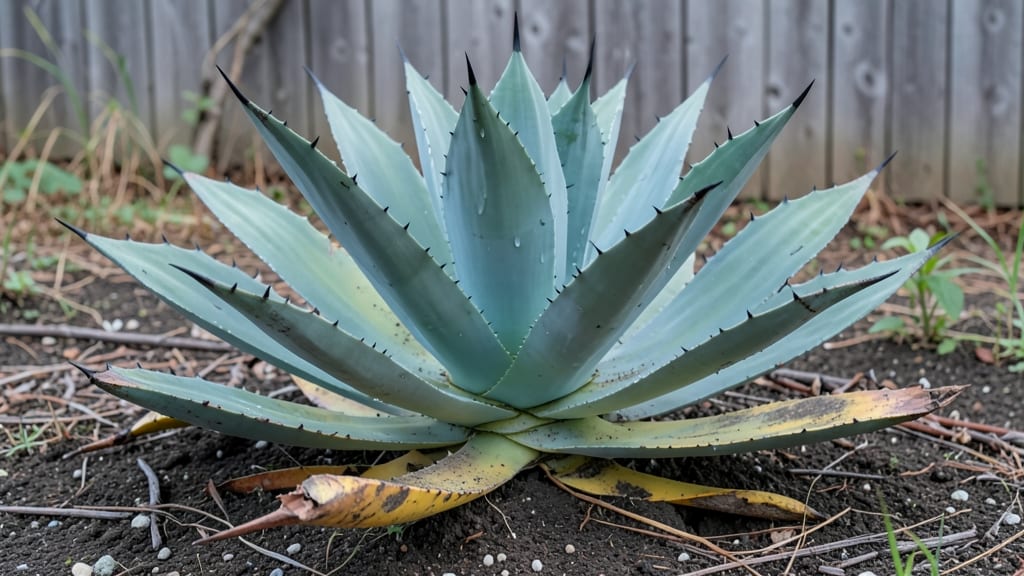
Century plant poison contains saponins and calcium oxalate crystals that cause skin irritation, mouth swelling, and digestive upset if ingested. Symptoms include rash, vomiting, or throat irritation, but severe reactions are rare with proper handling.
Century plant toxicity comes from two main compounds: saponins, which create soapy mouth irritation, and sharp calcium oxalate crystals that puncture skin cells and digestive linings. 🔥 The raw sap is particularly dangerous because these compounds are most concentrated there.
Even cooked leaves retain some toxicity, though heat reduces their potency significantly. I always recommend wearing gloves when handling century plants, especially during pruning seasons when the sap is most active.
If you or someone else comes into contact with century plant sap, the first step is rinsing the affected area with cool water for at least 15 minutes. For ingestion cases, never induce vomiting—call your local poison control center immediately.
Most reactions are mild, but children and pets are more vulnerable due to their smaller size and lower body weight.
💡 In This Article
- Toxic Components in Century Plant Leaves
- Safe Handling and Emergency Care for Century Plant Exposure
Toxic components in century plant leaves
The century plant's toxicity stems from two primary chemical compounds: saponins and calcium oxalate crystals. Saponins create a soapy texture when mixed with saliva, which is why they cause immediate mouth irritation and potential vomiting if ingested.
These compounds act as natural insecticides in the plant, breaking down cell membranes in pests. In humans, they trigger an immune response that leads to inflammation and digestive discomfort.
Calcium oxalate crystals are the real culprits behind the sharp, needle-like sensation when century plant sap touches skin or mucous membranes. These microscopic crystals—measuring about 0.01-0.05 millimeters—physically puncture cells, releasing histamine-like compounds that cause itching, redness, and swelling.
The raw sap contains the highest concentration of these toxins, with studies showing up to 10 times more calcium oxalate in fresh sap compared to dried leaves. This is why gardeners always warn about handling century plants with caution during active growth periods.
When century plant material is cooked, heat breaks down some of these compounds. Saponins lose about 30-40% of their potency when exposed to temperatures above 165°F, while calcium oxalate crystals become less sharp through denaturation. However, complete detoxification requires prolonged cooking—typically 20-30 minutes of boiling.
This explains why traditional Mexican cuisine sometimes uses century plant (called "nopal") in cooked dishes, but raw consumption is always dangerous. The key difference lies in how these compounds behave under heat: saponins degrade faster, while calcium oxalate requires more aggressive treatment.
Skin reactions typically appear within 15-30 minutes of contact, starting with localized redness that spreads into raised welts. In my experience working with desert plants, the most severe reactions occur when sap enters broken skin or mucous membranes—like the eyes or throat.
The plant's natural defense mechanism is so effective that even small amounts can trigger noticeable symptoms in sensitive individuals. For comparison, handling cactus spines might cause minor pricks, but century plant sap creates a chemical burn effect that lingers for hours.
What most people don't realize is how these toxins interact with different body systems. Saponins primarily affect the digestive tract by disrupting lipid absorption, which can lead to nausea and diarrhea. Meanwhile, calcium oxalate crystals cause mechanical damage to tissues, similar to how fine glass particles would irritate your skin.
The combination creates a two-pronged attack on the body—chemical irritation from saponins and physical damage from the crystals. This dual mechanism explains why even small exposures can cause disproportionate reactions in some individuals.
The raw sap's danger level is particularly high because it contains both compounds in their most active forms. When you break open a century plant's leaves, the sap's pH level drops to around 4.5, creating an acidic environment that enhances the toxins' effectiveness.
This acidic nature also helps the compounds penetrate skin more easily. Cooking changes this dynamic by neutralizing the pH and breaking down the molecular structure of these harmful substances, making the plant safer—but never completely non-toxic.