
Plants
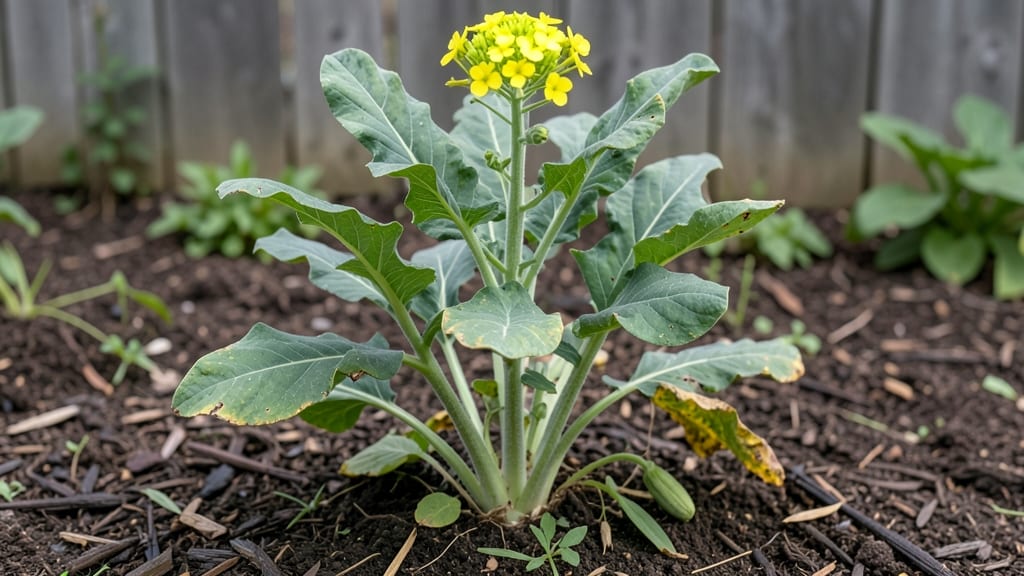
Canola plant images reveal their full lifecycle—from delicate seedlings to striking yellow blooms—highlighting critical stages like germination, rosette formation, stem elongation, and flowering that help gardeners assess plant health and address potential problems early.
Understanding these visual milestones is key to successful canola cultivation. 🌱 The early seedling stage features tiny round leaves, while the rosette phase shows a low-growing cluster of broad leaves.
When stems begin elongating, you'll notice rapid vertical growth before the dramatic shift to flowering, where bright yellow blossoms signal readiness for harvest. These distinct phases make visual documentation invaluable for tracking progress and diagnosing issues like stunted growth or discoloration.
For growers, capturing these stages through photography creates a useful reference tool.
Whether you're comparing your plants to professional agricultural images or documenting your own garden's development, these visual records help identify deviations from healthy growth patterns. 💫 Many agricultural extension services offer free growth charts and image libraries—great resources for both beginners and experienced farmers looking to refine their cultivation techniques.
💡 In This Article
- Identifying Canola Growth Stages Through Visual Clues
- Best Sources for High-Quality Canola Plant Photography
Identifying canola growth stages through visual clues
Canola plants reveal their growth stages through distinct visual transformations that act like nature's progress report. The seedling stage begins with cotyledons—those first tiny, round leaves that emerge within 5-10 days of planting, measuring about 1-2 centimeters wide.
These initial leaves lack the complex vein structure of mature leaves, appearing almost smooth-edged and slightly bluish-green due to high chlorophyll concentration.
The transition to the rosette phase is marked by the appearance of true leaves—broad, oval-shaped with slightly wavy edges and prominent veins radiating from the center.
At this stage, plants typically grow 15-25 centimeters tall with a dense cluster of leaves forming a circular pattern close to the ground. 🌱 This phase lasts 30-45 days and is when nitrogen deficiency shows up as yellowing between leaf veins, while sulfur deficiency causes uniform yellowing throughout.
When stems begin elongating (the bolting phase), you'll notice rapid vertical growth—stems can shoot up 2-3 centimeters per day under optimal conditions, reaching 60-90 centimeters tall. The leaves become more upright and narrower, and you might spot small buds forming at the stem tips.
This is when clubroot disease appears as swollen, distorted roots and stunted tops, while flea beetle damage shows as shot-hole patterns in leaves.
The final transformation to flowering is dramatic—stems continue elongating to 120-150 centimeters while developing clusters of bright yellow flowers that resemble tiny broccoli florets.
Each flower cluster contains 20-40 individual blossoms, and the entire plant takes on a golden hue. 🌼 Flower color variations can indicate stress—pale yellow suggests phosphorus deficiency, while dark green stems with sparse flowers may signal potassium issues.
Understanding these visual cues helps growers make timely interventions. For example, identifying the rosette stage early allows for proper weed control before stems elongate, while recognizing bolting helps schedule irrigation to prevent stress during flowering.
Comparing your plants to high-quality reference images can reveal subtle differences that might indicate pest pressure or nutrient imbalances before they become severe problems.
One particularly useful comparison is between healthy growth and common issues: healthy seedlings have firm stems and vibrant green leaves, while damping-off (a fungal disease) causes stems to darken and collapse at soil level.
Similarly, healthy rosettes have uniform leaf color, whereas herbicide damage creates irregular yellow patches along leaf edges. These visual distinctions become clearer with practice and comparison to documented growth charts.