
Planting
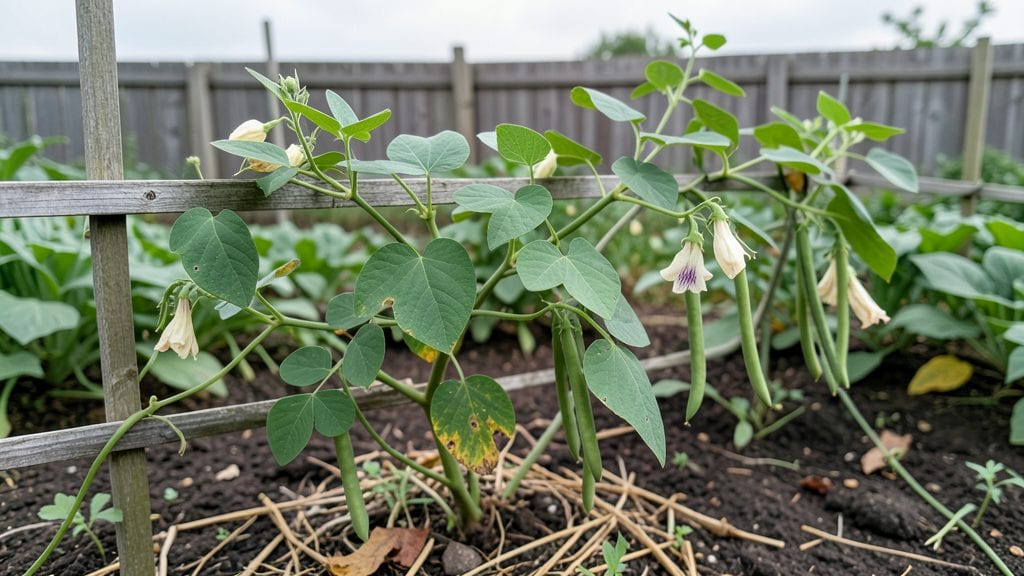
This cannellini bean plant is one of the fastest ways to transform your garden into a protein-packed harvest—sprouts appear in just days. 🌱 I’ve grown them for years, and they’re the only bean that actually delivers on that "quick" promise—you’ll see them... days and pods ready by midsummer.
The secret isn’t fancy soil or expensive seeds, but knowing exactly when and how to plant them for maximum speed.
These beans thrive in warm soil and bright sun, so timing matters more than anything else. Start seeds indoors 4-6 weeks before your last frost, or plant them directly in the ground after temperatures stay above 60°F. A loose, well-draining mix with compost works best—no need for anything fancy.
Just keep the soil consistently moist (not soggy) and watch those first leaves pop up in under a week.
By late summer, you’ll be harvesting tender pods straight from the vine, perfect for fresh eating or drying. The plants grow tall and bushy, so give them 4-6 inches of space between plants and a sturdy trellis if you’re short on ground space.
The flavor? Rich, buttery, and way better than anything you’ll find in a can.
Works in containers too, making them ideal for small spaces or urban gardens. Just plant them deeper than you think—roots love to stretch—and watch them grow faster than you expect. Here’s how to keep them thriving from seed to table.
📚 In This Guide
- What you need
- Instructions
- Tips and common mistakes
- Wrapping up and next steps
What you need
- ● Cannellini Bean Seeds: 10–20 seeds (or 1–2 packets for a small harvest; 3–4 packets for larger yields). Choose Phaseolus vulgaris varieties like ‘Aldea’ or ‘Santiago White’ for reliability.
- ● Growing Containers or Garden Bed: Containers: 12–18" deep pots (5+ gallons each) with drainage holes. 3–5 plants per container for optimal growth.
- ● Garden Bed: Full sun (6+ hours/day) and well-draining soil. Space plants 4–6 inches apart in rows 18–24 inches apart.
- ● Potting Mix or Soil: Lightweight, nutrient-rich mix (e.g., 60% compost, 30% garden soil, 10% perlite/sand). Avoid heavy clay.
- ○ Fertilizer: Optional (but helpful): Balanced organic fertilizer (e.g., 5-5-5 or compost tea) at planting and mid-season.
- ● Critical: No high-nitrogen fertilizer—beans fix their own nitrogen!
- ● Support Structures: Trellis or Cage: 5–6 ft tall for climbing varieties (e.g., bamboo stakes, A-frame trellis, or tomato cages). 1–2 plants per trellis.
- ○ Optional: String or twine to guide vines upward.
- ● Watering Supplies: Watering can, hose with gentle nozzle, or drip irrigation system.
- ● Pro Tip: Mulch (straw or shredded leaves) to retain moisture and suppress weeds.
- ● Climate: Cannellini beans thrive in USDA Zones 3–10. Start seeds indoors 4–6 weeks before last frost or direct-sow after soil reaches 60°F (15°C).
- ● Sunlight: Full sun (6+ hours/day) is non-negotiable—partial shade reduces yields.
- ● Soil pH: 6.0–7.0 (test with a kit or amend with lime/sulfur if needed).
- ● Patience: Germination takes 7–14 days in warm soil. Harvest in 60–90 days!
- ● Seedling heat mat (for early starts in cool climates).
- ● Row covers (to protect from pests or frost).
- ● Pruning shears (for trimming leggy vines).
- ● Bean companion plants (e.g., basil, marigolds, or corn to improve yields).
Step-by-step instructions for growing cannellini beans
Here's how to grow this fast-growing variety with minimal fuss—ready for harvesting in just a few months.
🌱 Step 1: Choose the Right Location and Soil
Cannellini beans thrive in full sun (at least 6-8 hours daily) and well-draining soil. If your garden soil is heavy clay, mix in 2-3 inches of compost to lighten it up. These beans grow best in soil with a pH between 6.0-7.0—most garden soil falls in this range, so no adjustments are usually needed.
I like to plant them in a spot with afternoon shade if you live in a hot climate—this prevents the pods from cracking open too soon. Work the soil to a depth of 12 inches to help roots establish quickly. Cannellini beans are sensitive to waterlogged roots, so avoid planting in low spots where water pools.
🌱 Step 2: Plant Seeds at the Right Depth and Spacing
Sow seeds 1-2 inches deep and 3-4 inches apart in rows spaced 18-24 inches apart. I plant 4-5 seeds per spot since germination isn't always perfect. For a faster harvest, you can also plant them in 6-inch deep containers with good drainage—just use the same spacing rules.
If you're planting in cooler climates, wait until after the last frost when soil temperatures reach at least 60°F. You'll know it's time when you can press your hand into the soil and feel warmth at a depth of 2 inches. Water the soil thoroughly before planting to help seeds establish contact with moisture.
💧 Step 3: Water Consistently Without Overdoing It
Keep the soil evenly moist but never soggy—cannellini beans hate sitting in wet soil. Water 1-2 inches per week, adjusting for rain. I check moisture by sticking my finger 1 inch deep; if it feels dry, it's time to water. Once plants are established (about 3-4 weeks after planting), they become more drought-tolerant.
Here's the thing—don't water from above once plants start flowering. Instead, water at the base to keep leaves dry. Wet foliage encourages fungal diseases like powdery mildew, which can ruin your harvest. Mulch around plants with 2-3 inches of straw to retain moisture and keep weeds down.
☀️ Step 4: Provide Support for Vertical Growth
Cannellini beans grow 3-5 feet tall, so they need sturdy support. Install 5-foot tall trellises, stakes, or cages at planting time—waiting until later can damage roots. I use bamboo stakes tied with soft twine because they're affordable and easy to work with.
Train vines to climb by gently weaving them around the support as they grow. Don't force them—just guide them upward. You'll see faster growth and better pod production when vines aren't struggling to stay upright. If you're growing in containers, choose ones with built-in trellises or use tomato cages for support.
✂️ Step 5: Harvest at Peak Maturity for Best Flavor
Start checking for pods about 2-3 months after planting. Harvest when pods are 4-5 inches long and firm but still slightly tender. I pick every 2-3 days during peak production to encourage more flowers and pods. Use sharp scissors or pruners to snip stems—this prevents damage to the plant.
Don't wait too long or pods will become tough and stringy. You'll know they're past their prime when the outer shell turns hard and the beans inside rattle loudly when shaken. For a continuous harvest, pick consistently and you'll enjoy fresh beans all season long. Store unharvested pods in the fridge for up to 5 days or freeze them for longer storage.
Tips & tricks for growing cannellini beans
These simple tricks will help you grow healthy, productive cannellini bean plants with minimal effort—because who has time for complicated gardening?
Soil Prep Shortcut: If you're short on compost, mix in 1 cup of coffee grounds per planting hole before adding seeds. The nitrogen boost helps roots establish faster, and it's a great way to use up those leftover grounds. Just make sure to mix them into the soil rather than piling them on top—this prevents clumping and ensures even distribution.
Germination Hack: To speed up germination, soak your seeds overnight in a damp paper towel before planting. This gives them a head start, especially if you're in a cooler climate. Just don't soak them in water—keep the paper towel damp but not soggy. I've seen germination improve by 2-3 days when I use this trick.
Watering Wisdom: The 1-2 inches per week watering guideline works great, but here's what I do differently: I water in the early morning instead of evening. This gives leaves time to dry completely before nightfall, reducing the risk of fungal diseases. Plus, morning watering means the soil stays moist longer during the heat of the day.
Support System: Don't wait until your plants are already growing to install support! Set up your 5-foot tall trellises or stakes at planting time—it takes about 10 minutes and saves you from damaging delicate roots later. I like to use bamboo stakes because they're sturdy, affordable, and blend right into the garden. If you're growing in containers, choose ones with built-in trellises or use tomato cages for support.
Pro Tips for Cannellini Bean Plant
- These simple tricks will help you grow healthy, productive cannellini bean plants with minimal effort—because who has time for complicated gardening?
- Soil Prep Shortcut: If you're short on compost, mix in 1 cup of coffee grounds per planting hole before adding seeds.
- Germination Hack: To speed up germination, soak your seeds overnight in a damp paper towel before planting.
Frequently asked questions
Got questions about growing your own cannellini bean plant? You’re not alone—this fast-growing legume is packed with potential, but it’s natural to have a few curiosities before diving in. Below, we tackle the most common queries to help you cultivate success from seed to harvest!
How long does it take for cannellini beans to grow from seed to harvest?
With the right conditions, cannellini beans typically take 80–100 days to mature. Early varieties may ready in as little as 70 days, while heirloom types lean toward the longer end. Plant seeds 1–2 inches deep and space them 4–6 inches apart for optimal airflow and growth. Patience pays off—these beans reward you with a bountiful harvest!
Can cannellini beans survive winter, or do I need to replant each season?
Cannellini beans are annuals, meaning they don’t survive winter—so yes, you’ll need to replant each spring or fall (depending on your climate). However, they’re fast-growing, so you can often squeeze in two harvests per year in warmer regions. For cooler areas, start seeds indoors 6–8 weeks before the last frost or use row covers to extend the season.
Are cannellini beans easy to grow for beginners?
Cannellini beans are one of the most beginner-friendly legumes. They thrive in well-draining soil, tolerate poor conditions better than many plants, and fix nitrogen in the soil—meaning they improve your garden over time. Just ensure they get full sun (6–8 hours/day) and consistent moisture. With minimal fuss, you’ll be harvesting in no time!
What pests or diseases should I watch out for when growing cannellini beans?
Common pests include bean beetles, aphids, and Mexican bean beetles, while diseases like bacterial blight or powdery mildew can occur in humid conditions. To prevent issues:
- Rotate crops annually to avoid soil-borne diseases.
- Use row covers early in the season to deter pests.
- Remove affected leaves immediately if you spot mildew.
- Encourage beneficial insects like ladybugs with companion plants (e.g., marigolds).
Can I grow cannellini beans in containers, or do they need a garden bed?
Yes! Cannellini beans adapt well to containers as long as the pot is at least 12–18 inches deep and has drainage holes. Use a lightweight potting mix and a trellis to support their vines (they can grow 3–5 feet tall). Just ensure the container gets plenty of sunlight and water regularly. Perfect for balconies or small spaces!
Wrapping up and next steps
Growing a cannellini bean plant is a rewarding journey that brings fresh, flavorful harvests to your table year-round! With the right soil, sunlight, and care, you’ll enjoy fast-growing vines and a steady supply of these versatile beans—whether you’re whipping up creamy soups, hearty stews, or crunchy salads. 🌱
Ready to take the next step? Start by planting your first seeds this season and watch your garden transform! For even better results, experiment with companion planting or succession sowing to maximize your yield. Happy growing—your taste buds (and your dinner plate) will thank you! 🌟