
Plants
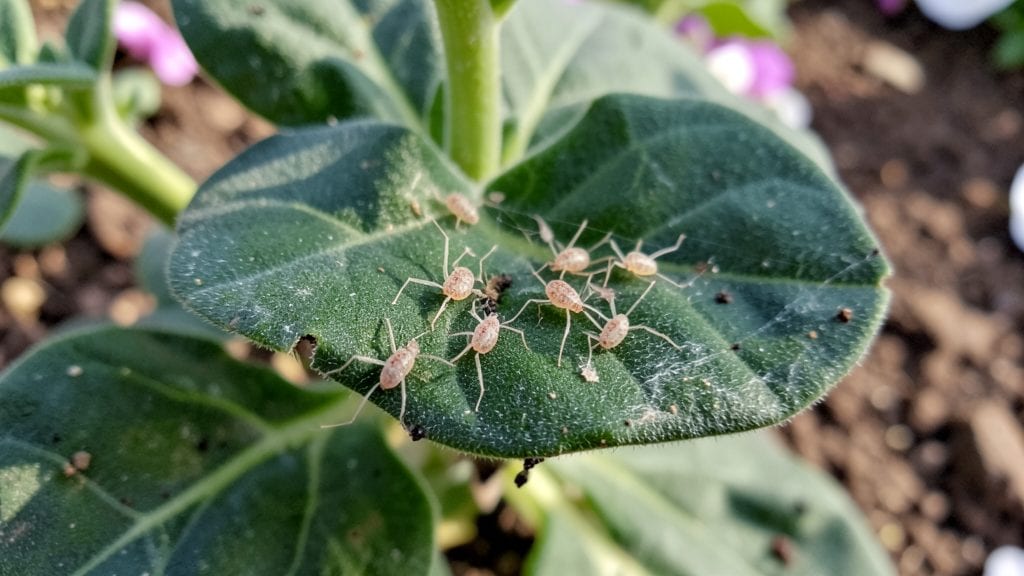
Bugs on petunia plants are the last thing you want when those velvety blooms should be stealing the show. 🌿 I’ve spent years watching petunias go from showstopper to sad in weeks—until I learned the telltale signs of aphids, spider mites, and earwigs, and how to kick them out without harming the plants (or my conscience).
The worst part? Most pests arrive uninvited—aphids hitch rides on new plants, spider mites thrive in dry heat, and earwigs sneak in under mulch. But the good news is early action keeps petunias lush and pest-free.
A quick spray of soapy water or neem oil can save a plant before damage spreads, and a few simple tweaks—like proper spacing and evening watering—keep pests from moving in again.
You’ll spot the difference within days: no more sticky leaves from aphids, no webbing from mites, and no chewed petals from earwigs. The blooms stay vibrant, the growth stays strong, and you avoid the heartbreak of a ruined season. Here’s how to keep those bugs out for good.
Works for container petunias, hanging baskets, or in-ground beds—no matter how the pests arrive, these methods stop them in their tracks. Let’s get your petunias back to their best.
Root Causes of Petunia Pests
Petunias are vibrant, low-maintenance favorites, but their lush foliage and sweet nectar make them prime targets for unwanted visitors. Understanding why these critters show up is the first step to keeping your plants thriving without resorting to harsh chemicals.
Below, we break down the most common reasons—backed by science—and what your garden might be telling you.
When petunias are packed too closely together or struggling with poor growing conditions, their weakened state becomes an open invitation for pests. Here’s why:
- Reduced airflow: Tightly clustered plants create humid microclimates, perfect for soft-bodied insects like aphids and whiteflies. Poor ventilation slows evaporation, leaving surfaces damp—a buffet for moisture-loving pests.
- Nutrient competition: Overcrowding forces plants to compete for water, sunlight, and soil nutrients. Malnourished petunias produce less chlorophyll and more sugary sap (a natural byproduct of stress), which attracts sap-sucking insects like spider mites and thrips.
- Root damage: Competing roots can become tangled or damaged, reducing water uptake. This stress triggers the plant to release volatile organic compounds (VOCs), chemical signals that alert pests to an "easy meal."
Actionable fix: Space petunias 12–18 inches apart and prune crowded stems to improve airflow. Mulch with organic matter (e.g., straw or shredded leaves) to retain moisture without smothering roots.
Petunias produce high-sugar nectar and abundant pollen, which are irresistible to many insects. But why do some bugs turn destructive?
- Natural attractants: Flowers like petunias evolved to lure pollinators (e.g., bees, butterflies). Unfortunately, they also attract aphids, whiteflies, and leafhoppers, which feed on nectar and sap. These pests excrete honeydew, a sticky residue that fosters sooty mold—a fungal growth that blocks sunlight and weakens the plant.
- Color and scent cues: Bright petunia blooms (especially purple and pink hues) emit specific volatile organic compounds (VOCs) that signal "food source" to flying insects. Studies show that thrips are particularly drawn to blue and white flowers, while aphids prefer yellow and orange tones.
- Overnight nectar production: Some petunia varieties produce nectar even after dark, making them targets for nocturnal pests like earwigs and cutworms.
Actionable fix:
- Choose double-bloom varieties (e.g., 'Wave Purple'), which produce less accessible nectar.
- Deadhead spent blooms daily to reduce overnight nectar buildup.
- Use yellow sticky traps near plants to intercept flying pests before they land.
Temperature, humidity, and seasonal changes directly influence pest populations. Petunias are especially vulnerable during:
| Condition | Pest Connection | Why It Happens |
|---|---|---|
| High humidity (60%+) | Whiteflies, aphids, fungal gnats | Moisture slows plant transpiration, creating sticky leaf surfaces that trap pests and their eggs. Fungal gnats thrive in overly wet soil (e.g., from overhead watering). |
| Drought stress | Spider mites, thrips | Dry conditions cause petunias to wilt slightly, reducing their ability to produce defensive compounds like triterpenoids. This makes them more palatable to mites. |
| Sudden temperature drops | Cutworms, slugs | Cooler nights (<60°F) slow plant metabolism, making them easier targets for chewing pests. Slugs seek out soft, stressed foliage during damp evenings. |
Actionable fix:
- Water deeply at the base in the morning to avoid fungal growth.
- Use drip irrigation to maintain consistent soil moisture without wetting leaves.
- Apply mulch to stabilize soil temperature and retain moisture.
Unbalanced soil creates the perfect storm for pests by weakening plant defenses and providing shelter for insects.
- Excess nitrogen: While nitrogen promotes leafy growth, too much (e.g., from over-fertilizing) makes petunias softer and more sap-rich, attracting aphids and whiteflies. Soil tests show that nitrogen levels above 0.1% can trigger pest outbreaks.
- Compacted or clay soil: Poor drainage leads to root rot, which stresses plants and emits ethanol and other VOCs that repel beneficial insects (like ladybugs) but attract pests like root maggots.
- Lack of beneficial microbes: Healthy soil teems with mycorrhizal fungi and Bacillus subtilis bacteria, which help plants fend off pathogens. When these microbes are missing, petunias become more susceptible to secondary pest invasions.
Actionable fix:
- Test soil pH—petunias thrive in 6.0–7.0. Amend with lime (to raise pH) or sulfur (to lower pH) as needed.
- Add compost or worm castings to improve soil structure and microbial activity.
- Use slow-release fertilizers (e.g., organic 5-5-5) to avoid nitrogen spikes.
By addressing these root causes, you’ll disrupt the conditions that invite pests in the first place. The key? Proactive care—think of it as pest-proofing your petunias before the bugs even arrive! 🚀
Quick Fixes for Petunia Pests
Got unwanted critters munching on your petunias? Don’t panic—these targeted solutions will help you reclaim your garden without harming your plants (or the bugs!). Below, we’ve matched common causes to simple fixes, plus pro tips to keep pests away for good.
Fix: These sap-sucking pests cluster on stems and leaves, leaving sticky residue. Here’s how to evict them:
- 💦 Blast Them Away Spray aphids off with a strong stream of water from a hose. Repeat every 2–3 days until gone. - 🌿 Soap It Out Mix 1 tbsp mild dish soap + 1 quart water in a spray bottle.
Test on a small leaf first, then spray directly on aphids. Reapply after rain. - 🐝 Attract Predators Ladybugs and lacewings love aphids. Plant nearby marigolds or dill to lure them in.
💡 Prevention Tip: Encourage airflow around plants—aphids thrive in crowded, damp spots.
Fix: These nearly invisible pests create fine webbing and turn leaves yellow. Act fast!
- 🚿 Rinse Off Infestations Wipe leaves with a damp cloth or spray with water to dislodge mites. Do this early in the morning for best results. - 🌿 Neem Oil Spray Mix 1 tbsp neem oil + 1 tsp mild soap + 1 quart water.
Spray undersides of leaves (mites hide there!). Reapply every 5–7 days. - 💦 Increase Humidity Spider mites hate humidity. Place a tray of water near plants or mist leaves daily.
💡 Prevention Tip: Avoid over-fertilizing—mites love stressed plants!
Fix: These tiny, winged pests flutter above leaves and weaken plants. Trap them with:
- 🕯️ Yellow Sticky Traps Hang yellow cards coated with petroleum jelly near petunias.
Whiteflies are drawn to the color and get stuck. - 🌿 Insecticidal Soap Use the same soap solution as for aphids, but spray undersides of leaves where whiteflies lay eggs. - 🌿 Beneficial Wasps Release Encarsia formosa (a parasitic wasp) to hunt whiteflies naturally. Ask at garden centers!
💡 Prevention Tip: Inspect new plants before bringing them indoors—whiteflies often hitchhike.
Fix: These slimy critters leave chewed leaves and silvery trails. Try these barriers:
- 🍞 Beer Traps Bury a shallow dish filled with beer near plants. Slugs crawl in and drown—problem solved! - 🪨 Copper Barriers Place copper tape around pots or garden beds.
The mild electric shock repels slugs. - 🌿 Eggshell Rings Crush eggshells into a ring around petunias. The sharp edges deter slugs naturally.
💡 Prevention Tip: Water plants in the morning so slugs aren’t attracted to damp soil at night.
Fix: These shiny beetles skeletonize leaves in hours. Stop them with:
- 🍎 Handpick & Drop Fill a bucket with soapy water.
Pluck beetles off plants and dunk them—it’s gross but effective! - 🌿 Neem Oil or Kaolin Clay Spray leaves with neem oil or dust with kaolin clay to create a barrier they dislike. - 🌿 Plant Traps Grow rose bushes or marigolds nearby—beetles prefer these over petunias.
💡 Prevention Tip: Prune petunias regularly to remove eggs laid on stems.
✨ Pro Tip: Always rotate methods to prevent pests from building resistance. And remember—healthy plants are pest-resistant! Keep soil moist, fertilize lightly, and prune often for happy petunias. 🌸
Frequently asked questions
Why do petunias attract so many different bugs?
Petunias produce sweet nectar and pollen that lure beneficial insects like bees, but also pests like aphids, whiteflies, and earwigs. Their tender leaves and crowded growth create perfect hiding spots for soft-bodied insects. The bright colors even signal "food source" to flying pests through scent cues.
Can I use chemical pesticides safely on petunias?
Chemical pesticides can harm petunias and beneficial insects. Always choose organic options like neem oil or insecticidal soap first. If you must use chemicals, opt for targeted sprays (like pyrethrin) and apply early in the morning to minimize harm to pollinators. Always follow label instructions for dosage.
How do I know if my petunias have spider mites vs. aphids?
Spider mites leave fine webbing on leaves and cause yellow stippling, while aphids create sticky honeydew and cluster on stems. Check leaf undersides with a magnifying glass—mites are tiny red/yellow dots, while aphids are green/black ovals. Tap leaves over white paper: mites scatter quickly, aphids don't.
Will companion planting really keep bugs away?
Yes! Planting marigolds, basil, or dill nearby repels pests naturally. Marigolds deter aphids and whiteflies, while basil confuses thrips. Even garlic or chives planted at the edges of petunia beds act as pest barriers. The key is spacing them properly—aim for 12-18 inches apart for best results.
What's the fastest way to stop slug damage overnight?
Set out shallow dishes filled with beer or vodka near petunias. Slugs are drawn to the liquid and drown within hours. For immediate protection, create a barrier of crushed eggshells or diatomaceous earth around plant bases. Always remove slugs in the morning to prevent reinfestation.