
Companion Plants
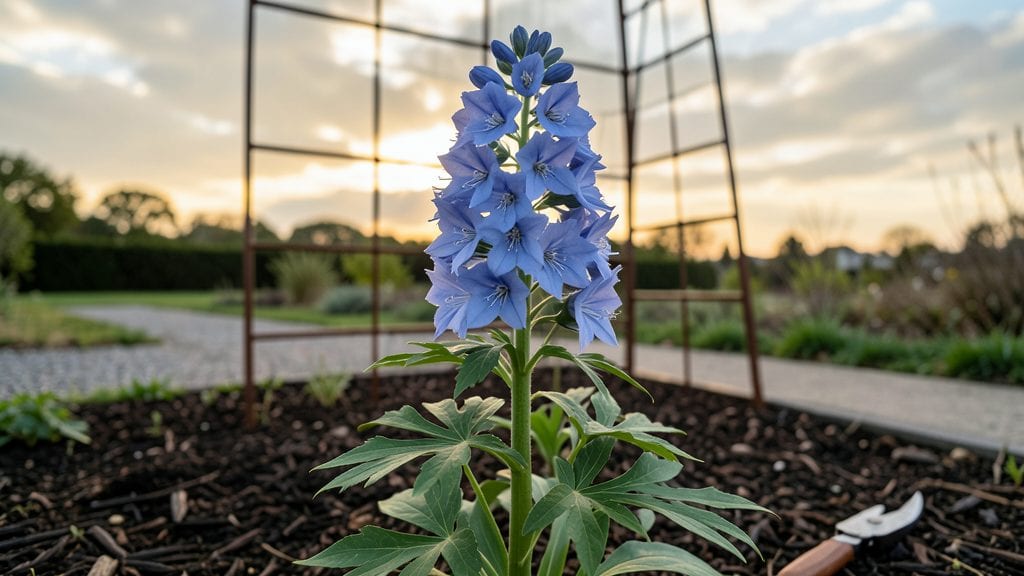
Blue flowered plants transform any garden into a serene, buzzing paradise where bees and butterflies never want to leave. 🌿 I’ll never forget the first time my backyard turned into a cobalt-blue dream—delicate petals swaying in the breeze while hummingbirds darted between them.
These aren’t just pretty faces; they’re the backbone of a thriving pollinator ecosystem that keeps your garden alive long after the blooms fade.
The magic happens when you mix shades of blue—from sky-high lavender to deep indigo salvia—with complementary colors like yellow, purple, or white. Most blue bloomers thrive in full sun but adapt to partial shade, making them perfect for borders, containers, or even tucked into cottage-style gardens.
The key is choosing plants that bloom at different times, so your garden stays vibrant from spring through fall without a single dull moment.
Imagine waking up to morning glories climbing your trellis, their trumpets unfurling in the light, while Russian sage releases its fragrant purple haze in the afternoon. These plants don’t just look stunning—they work.
They attract pollinators that boost your vegetable yields and create a peaceful atmosphere that feels like a retreat. Plus, they’re surprisingly low-maintenance once established.
Whether you’re designing a pollinator-friendly border, filling a container with cascading blue, or adding a dramatic focal point, these plants deliver. They’re the secret weapon for gardens that feel alive, intentional, and impossible to resist. Let’s dive into the best blue bloomers for your space!
📚 In This Guide
- What you need
- Instructions
- Tips and common mistakes
- Wrapping up and next steps
What you need
- ● Blue flowering plants: Choose from pollinator favorites like Delphinium, Salvia, Lobelia, or Brunnera. (3–5 mature plants or 10–20 seeds per variety, depending on desired coverage.)
- ● Well-draining potting mix: 1–2 bags (18–25 lbs each) for containers or 50–100 sq. ft. of garden soil amended with compost (3–4 inches).
- ● Organic fertilizer: Slow-release granular (10–10–10 ratio) or liquid bloom booster (e.g., fish emulsion or seaweed extract).
- ● Mulch: 2–3 cubic feet of shredded bark or straw to retain moisture and suppress weeds.
- ● Gardening tools: Trowel or hand shovel (for transplanting)
- ● Pruners (sterilized with rubbing alcohol)
- ○ Gloves (optional but recommended)
- ● Watering supplies: Hose with adjustable nozzle or watering can (1–2 gallons capacity).
- ● Sunlight access: 4–6+ hours of direct sun (varies by plant; check tags!).
- ○ Optional (but helpful!): Stakes or cages (for tall varieties like Delphinium)
- ● Soil pH tester (ideal range: 6.0–7.0 for most blue bloomers)
- ● Pollinator-friendly companions (e.g., Echinacea or Coneflower)
Step-by-Step guide to creating a blue flowered pollinator haven
Turn your garden into a vibrant blue paradise that keeps bees and butterflies buzzing all season.
🌱 Step 1: Choose the Right Blue Flowering Plants
Select a mix of season-long bloomers to ensure continuous color. I recommend starting with 4-6 plants from this proven lineup: Delphiniums for towering spikes, Salvia for drought-tolerant beauty, Lobelia for trailing blue cascades, and Brunnera for ground cover. Each brings different heights and textures to create visual interest.
Check your USDA hardiness zone—most blue perennials thrive in zones 4-9. Annuals like Bachelor's Buttons or Blue Flax offer instant color if you need quick impact. I always include at least one native species (like Blue Wild Indigo) to support local pollinators most effectively.
☀️ Step 2: Position for Optimal Sunlight and Soil
Most blue flowers crave full sun (6+ hours daily)—place taller varieties like Delphiniums at the north end of your bed to prevent shading smaller plants. If your site gets partial shade (3-6 hours), opt for shade-tolerant choices like Brunnera or Blue Lobelia instead.
Prepare the soil by amending with 2-3 inches of compost (mix into the top 6 inches of soil). Blue flowers often prefer slightly alkaline soil (pH 6.5-7.5)—test your soil and add lime if needed. I always work in a slow-release fertilizer at planting to give roots a nutrient boost without burning tender foliage.
💧 Step 3: Plant with Proper Spacing and Watering
Dig holes twice as wide as the root ball but only as deep as the container's base. Space perennials 18-24 inches apart (check plant tags for exact needs) to allow airflow and prevent disease. For annuals like Lobelia, plant 6-12 inches apart—they'll fill in quickly.
Water deeply at planting to settle the soil and remove air pockets. After that, keep the soil evenly moist (not soggy) for the first 2 weeks. You'll know you're doing it right when the soil feels like a wrung-out sponge—damp but not dripping. Mulch with 2 inches of shredded bark to retain moisture and suppress weeds.
✂️ Step 4: Maintain for Continuous Blooms
Deadhead spent blooms regularly—this encourages second flushes of flowers and keeps plants looking tidy. For Delphiniums, I snip back 1/3 of the tallest stems after the first bloom to promote bushier growth. For Salvia, simply pinch off faded flowers at the base.
Feed once in early summer with a balanced 10-10-10 fertilizer (follow package rates). Blue flowers often need less fertilizer than red or pink varieties—they thrive more on good drainage than heavy feeding. Watch for powdery mildew on Delphiniums in humid climates and space plants 3 feet apart to improve airflow.
🪴 Step 5: Extend the Season with Smart Pairings
Layer plants by bloom time to create 3-4 months of continuous color. Start with early spring Brunnera, then add midseason Delphiniums, followed by summer Salvia, and finish with fall Blue Flax. I always include one late-season bloomer like Blue Aster to keep pollinators fed into October.
Add blue foliage plants like Heuchera or Blue Chips Juniper as accents—they provide year-round structure and contrast beautifully with flowering plants. Group 3-5 plants of each type together to create impactful drifts that attract pollinators in force.
Tips & tricks for perfect blue flowered pollinator gardens
Creating a thriving blue flower haven takes a few strategic moves that make all the difference between a pretty garden and a pollinator magnet.
Plant Placement Matters: In Step 2, when positioning your Delphiniums and Salvia for full sun, remember taller varieties like Delphiniums should face north to prevent shading smaller plants. I've seen gardens where Delphiniums completely overshadowed Lobelia, which needs at least 3-6 hours of sunlight. Place them strategically along the north edge of your bed to maintain that perfect light balance.
Soil Prep Secret: The 2-3 inches of compost mixed into the top 6 inches of soil in Step 2 is non-negotiable for blue flowers. I learned this the hard way—my Brunnera struggled in compacted soil until I properly amended it. For extra insurance, work in some perlite or coarse sand if your native soil drains poorly. Blue flowers hate soggy roots, and proper drainage prevents powdery mildew on Delphiniums.
Watering Wisdom: That first 2-week watering period in Step 3 is critical. I always test soil moisture by squeezing a handful—it should feel like a wrung-out sponge, not dripping wet. Overwatering can lead to root rot, especially in heavy clay soils. For container plants, check moisture daily as they dry out faster. Mulching with 2 inches of shredded bark helps maintain consistent moisture levels while suppressing weeds.
Deadheading Strategy: When you deadhead spent blooms in Step 4, don't just snip the flowers—cut back to the first set of healthy leaves. For Delphiniums, I snip back 1/3 of the tallest stems after the first bloom to encourage bushier growth. This simple technique can extend your flowering season by 3-4 weeks and keeps your plants looking fuller. For Salvia, simply pinch off faded flowers at the base—they'll reward you with another flush of blooms.
Pro Tips for Blue Flowered Plants
- Creating a thriving blue flower haven takes a few strategic moves that make all the difference between a pretty garden and a pollinator magnet.
- Plant Placement Matters: In Step 2, when positioning your Delphiniums and Salvia for full sun, remember taller varieties like Delphiniums should face north to prevent shading smaller plants.
- Soil Prep Secret: The 2-3 inches of compost mixed into the top 6 inches of soil in Step 2 is non-negotiable for blue flowers.
Frequently asked questions
Got questions about adding blue-flowered plants to your garden? You’re not alone! Here are some of the most common questions—and answers—to help you get started with confidence.
Which blue flowers attract the most pollinators?
Bees, butterflies, and hummingbirds love lobelia, salvia, delphinium, and cornflowers. These plants are packed with nectar and bright hues that signal "stop by for a snack!" For extra buzz, pair them with white or purple blooms—pollinators adore the contrast.
When is the best time to plant blue-flowered annuals vs. perennials?
Annuals like bachelor’s buttons thrive when planted in early spring (after the last frost) or late summer for fall blooms. Perennials such as blue flag iris or catmint should go in the spring or early fall to establish roots before winter. Pro tip: Check your USDA zone—some perennials need a head start in colder climates!
How often should I water blue-flowered plants?
Most blue bloomers prefer consistent moisture but hate soggy soil. Water deeply 2–3 times per week in hot/dry weather, aiming for 1–1.5 inches total. Delphiniums and lupines may need extra care—their tall stems can flop without sturdy support. Mulch helps retain moisture and keeps roots cool.
What can I do if my blue flowers fade or stop blooming?
Fading blooms often mean over-mature flowers or nutrient deficiencies. Try these fixes:
- Deadhead spent blooms regularly to encourage new growth.
- Fertilize with a balanced 10-10-10 or low-phosphorus formula (too much phosphorus = fewer flowers!).
- Check for pests like aphids or powdery mildew—neem oil or insecticidal soap can help.
- Ensure they get 6+ hours of sunlight (most blue flowers are sun-worshippers!).
Are there blue-flowered plants that thrive in shade?
If your garden is shady, try:
- Blue lobelia (drought-tolerant once established)
- Virginia bluebells (spring ephemerals)
- Hosta ‘Blue Angel’ (foliage, not flowers, but stunning!)
- Cobaea scandens (morning glory vine with blue trumpet blooms)
These beauties handle partial shade (2–6 hours of sun/day) and add color where sun-lovers struggle.
Wrapping up and next steps
Blue-flowered plants aren’t just a stunning addition to your garden—they’re a lifeline for pollinators and a year-round source of joy! From lavender to delphiniums, these vibrant blooms attract bees, butterflies, and hummingbirds while keeping your outdoor space lively.
Whether you’re a seasoned gardener or just starting, these plants prove that beauty and function go hand in hand.
Ready to transform your space? Start small—pick one or two blue beauties to plant this season, and watch your garden thrive! 🌸 For more inspiration, explore companion planting guides or visit local nurseries to find the perfect match for your climate.