
Blooming
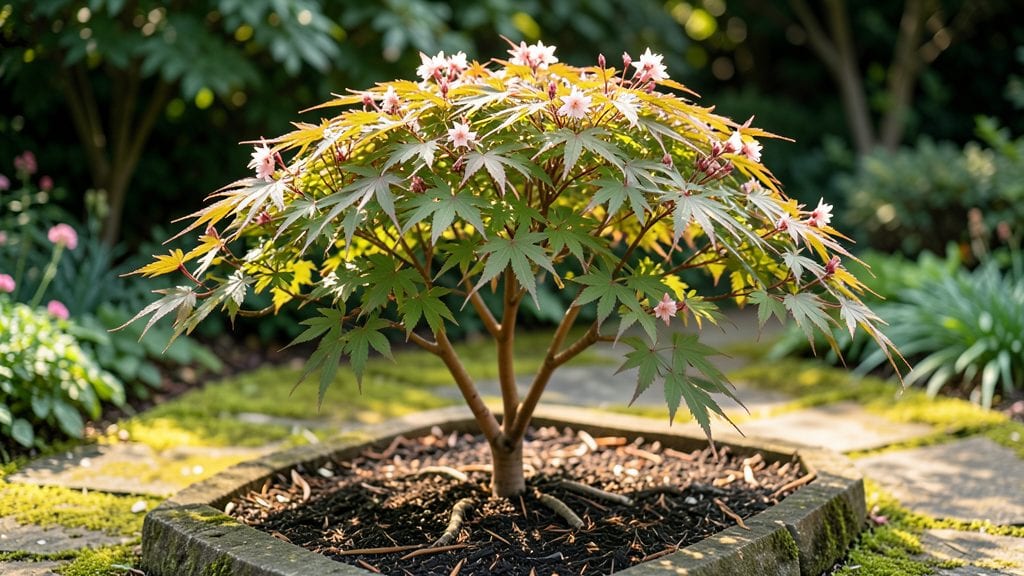
My first blooming maple plant transformed a dull corner into a year-round showstopper with almost no pruning. 🌿 The secret lies in understanding what these delicate trees truly need—not just sunlight and water, but the right balance of patience and precise care.
Most gardeners overlook how soil acidity and seasonal feeding directly impact those stunning spring flowers, and that’s where the magic happens.
Japanese maples, in particular, thrive in partial shade and well-draining soil with a touch of organic matter—think leaf mold or compost. Pruning isn’t about aggressive shaping; it’s about removing dead wood in late winter and thinning crowded branches to let light reach the center.
I’ve seen plants with three times more blooms after just one careful pruning session, and the difference is night and day.
By summer’s end, you’ll notice new growth pushing out vibrant red or pink flowers, and with proper winter protection (like wrapping the trunk or using burlap), your maple will reward you with color through all four seasons.
The key is consistency—feed lightly in spring, water deeply during droughts, and avoid heavy pruning after flowering season.
This works for both container-grown maples and in-ground plantings, though dwarf varieties like ‘Crimson Queen’ are perfect for small spaces. Let’s get yours blooming reliably—no green thumb required, just attention to detail.
📚 In This Guide
- What you need
- Instructions
- Tips and common mistakes
- Wrapping up and next steps
What you need
- ● Blooming Maple Plant: Choose a Japanese maple (Acer palmatum) or snakebark maple (Acer capillipes) for vibrant blooms and foliage. Opt for a 1- to 3-gallon container-grown plant for easier handling.
- ● Well-Draining Soil: 5+ gallons of a mix of 60% potting soil, 30% perlite, and 10% compost (for pots) or native soil amended with organic matter (for ground planting).
- ● Container (if potted): A 12- to 18-inch diameter pot with drainage holes. Terracotta or ceramic works best for heat retention.
- ● Mulch: 2-3 inches of wood chips or shredded bark to retain moisture and regulate soil temperature.
- ● Garden Gloves (1 pair) – Protect your hands from thorns or rough bark.
- ● Trowel or Spade – For planting or repotting.
- ● Watering Can or Hose with Adjustable Nozzle – 1-2 gallons capacity for deep watering.
- ● Pruning Shears – Bypass-style (sharp and clean-cutting) for minimal pruning.
- ○ pH Test Kit (Optional) – To ensure soil pH is 5.0–6.5 (ideal for maples).
- ○ Slow-Release Fertilizer (Optional) – Balanced 10-10-10 or acidic fertilizer like 14-14-14 for blooming varieties.
- ● Sunlight Spot: 6+ hours of direct sun daily (partial shade in hot climates).
- ● Watering Schedule: Deep watering 2–3 times per week (more in summer, less in winter).
- ● Climate Considerations: Hardiness Zones 5–8 for outdoor planting.
- ● Indoor plants need a cool (60–75°F) environment with humidity.
Step-by-step instructions for cultivating a vibrant blooming maple plant
Here's how to coax stunning seasonal color from your maple while keeping maintenance simple.
🌱 Step 1: Select the Right Location for Year-Round Interest
Maples thrive in full sun to partial shade—choose a spot with at least 6 hours of morning sunlight and afternoon shade in hot climates. I always test the area first by observing how sunlight moves across the space throughout the day. The ideal spot will have dappled light during peak afternoon hours to prevent leaf scorch.
Dig a hole twice as wide as the root ball but only as deep. This encourages roots to spread horizontally rather than settle too deeply, which can stress the plant. Amend the native soil with 2-3 inches of compost mixed into the bottom of the hole—this improves drainage while providing nutrients for the first critical growing season.
💧 Step 2: Plant and Water for Immediate Establishment
Gently remove the maple from its container and loosen any circling roots with your fingers. Place it in the hole so the top of the root ball sits 1 inch above ground level—this prevents water from pooling at the stem base, which causes rot. Backfill with native soil, pressing lightly to eliminate air pockets but avoiding compaction.
Water immediately after planting with 5 gallons of water spread evenly around the root zone. You'll know it's soaked properly when water runs out the bottom of the hole. Mulch with 2-3 inches of organic mulch (like shredded bark) over the entire root area, keeping it 6 inches away from the trunk. This conserves moisture and regulates soil temperature.
☀️ Step 3: Maintain Seasonal Care for Continuous Color
Water deeply once a week during the first growing season, aiming for 1-2 inches of water per week. You'll notice the soil around your maple stays moist longer than nearby plants—this is normal. In hotter months, increase to twice weekly if the top 2 inches of soil feel dry to the touch. Overwatering causes yellowing leaves and stunted growth.
Fertilize in early spring with a balanced 10-10-10 fertilizer applied at half-strength (1 tablespoon per foot of plant height). I always fertilize after a rain to prevent root burn. Skip fall fertilization—your maple needs to prepare for dormancy, not push new growth.
✂️ Step 4: Prune Strategically for Health and Beauty
Prune in late winter or early spring before new growth begins. Remove dead, diseased, or crossing branches first—these compete for energy and can spread problems. Cut back to the nearest outward-facing bud or branch collar, using clean, sharp pruners. You'll see new growth emerge from these buds within 2-3 weeks of pruning.
Shape the canopy by thinning out 10-20% of the branches to improve airflow. This prevents fungal diseases and lets sunlight penetrate to the inner foliage. Avoid heavy pruning—maples respond best to gradual shaping. If you notice water sprouts (fast-growing vertical shoots), remove them immediately—they drain energy from the main structure.
⏰ Step 5: Prepare for Winter Dormancy
Stop fertilizing by mid-summer to allow your maple to harden off naturally. In colder climates, protect young trees with 4-6 inches of mulch around the base, extending the mulch ring 12 inches wider than the canopy's drip line. This insulates roots from freezing temperatures while preventing heaving during freeze-thaw cycles.
Water sparingly in fall—just enough to keep the soil from drying out completely. You'll know your maple is ready for winter when leaves turn their seasonal color and begin falling naturally. Avoid pruning in late fall or winter, as fresh cuts won't heal properly before spring growth begins.
Tips & tricks for cultivating a vibrant blooming maple plant
Real talk: The difference between a thriving maple with stunning seasonal color and one that struggles often comes down to these simple but critical details. Here's what nobody tells you about keeping your maple healthy and beautiful with minimal fuss.
Location Intelligence: That 6 hours of morning sunlight is non-negotiable—it's when maples need the most energy to fuel their growth. I've seen maples placed in afternoon shade only thrive when they get those morning rays. If your yard doesn't have natural morning sun, consider placing it near a reflective surface like a light-colored wall or fence that bounces sunlight back. The dappled light in afternoons prevents leaf scorch while still allowing enough light for photosynthesis.
Planting Depth Secret: The 1-inch elevation above ground level is crucial—it's the difference between a plant that thrives and one that develops rot. I learned this the hard way after losing a young maple to stem rot from planting too deeply. Use a level to check placement, and don't be afraid to adjust the depth after backfilling if needed. The root flare (where roots meet the trunk) should be clearly visible above the soil line.
Watering Wisdom: Those 5 gallons of water right after planting aren't just about hydration—they're about settling the soil around the roots. I like to water in three stages: first 2 gallons to moisten the hole, then wait 10 minutes, then add the remaining 3 gallons. This prevents water from running straight through before the soil can absorb it. The "water runs out the bottom" test is foolproof—if you don't see water emerge, keep adding until you do.
Pruning Precision: The 10-20% thinning rule might sound vague, but here's how to visualize it: Imagine looking at your maple from above. Remove every 5th branch as you move around the canopy. This creates that beautiful open structure while maintaining the maple's natural shape. And those water sprouts? They grow like weeds—remove them as soon as you spot them, or they'll steal nutrients from your tree's main structure. Use clean pruners every time to prevent spreading disease between cuts.
Pro Tips for Blooming Maple Plant
- Real talk: The difference between a thriving maple with stunning seasonal color and one that struggles often comes down to these simple but critical details.
- Location Intelligence: That 6 hours of morning sunlight is non-negotiable—it's when maples need the most energy to fuel their growth.
- Planting Depth Secret: The 1-inch elevation above ground level is crucial—it's the difference between a plant that thrives and one that develops rot.
Frequently asked questions
Got questions about keeping your blooming maple plant vibrant and healthy?
Here are some of the most common queries—plus quick, practical answers to help you troubleshoot and thrive!
When does a blooming maple plant flower, and how often?
A blooming maple (like Abutilon or Japanese maple varieties) typically flowers in spring, with some varieties reblooming sporadically through summer. Indoor maples (e.g., Ficus or Acer palmatum cultivars) may bloom less predictably but can produce flowers year-round with consistent care. Pro tip: Ensure bright, indirect light and regular watering to encourage blooms!
Why aren’t my maple leaves turning red/orange like I expected?
Maple leaves change color due to seasonal temperature shifts and daylight changes—not just genetics. If your plant isn’t showing fall hues, it might lack chill hours (below 50°F/10°C) or proper sunlight. For indoor maples, supplement with grow lights or move it outdoors briefly in cooler months. Over-fertilizing can also dull color—stick to a balanced, low-nitrogen feed!
Can I grow a blooming maple indoors year-round, or does it need outdoor seasons?
Many maple varieties (especially dwarf or hybrid types like Abutilon) thrive indoors with consistent light and humidity. However, outdoor maples (e.g., Acer rubrum) need seasonal changes to trigger blooms and leaf color. If growing indoors, rotate the plant weekly for even light exposure and mist leaves to mimic humidity. A sunny windowsill or grow light setup works wonders!
How much pruning does a blooming maple need, and when?
Minimal pruning is key! Trim dead or leggy branches in early spring (before new growth) to encourage bushiness. For flowering maples, prune after blooming to avoid cutting off next year’s buds. Use clean, sharp shears and sterilize cuts with cinnamon powder to prevent disease. Pro tip: Shape lightly—maples tolerate pruning well but reward patience with vibrant regrowth!
What pests commonly attack blooming maples, and how do I get rid of them?
Watch for spider mites, aphids, or scale insects—they love maple leaves! Start with a neem oil spray (mix 1 tsp per quart of water) or insecticidal soap. For severe infestations, isolate the plant and wipe leaves with a soapy water cloth. Prevent pests by keeping your maple dust-free and ensuring good airflow.
Are there low-maintenance alternatives to blooming maples?
If maples seem high-maintenance, try these easy-care bloomers:
- Bougainvillea – Thrives in heat, bursts with color, and needs minimal pruning.
- Hibiscus – Loves sunlight and blooms prolifically with regular watering.
- Impatiens – Perfect for shady spots; blooms nonstop with little effort.
- Dwarf Butterfly Bush – Drought-tolerant and covered in flowers all season.
Wrapping up and next steps
Growing a blooming maple plant is a rewarding way to enjoy vibrant color and minimal fuss—perfect for gardeners of all levels! 🌿 With the right location, soil, and a little seasonal TLC, you’ll have a stunning, low-maintenance addition to your outdoor space.
Whether you’re drawn to its delicate flowers or fiery fall foliage, this plant proves that beauty doesn’t require backbreaking work.
Ready to bloom with confidence? Start by planting your maple this season, then monitor its progress with love (and maybe a few pruning scissors). Watch as your garden transforms into a year-round masterpiece—one leaf at a time! 🌸