
Companion Plants
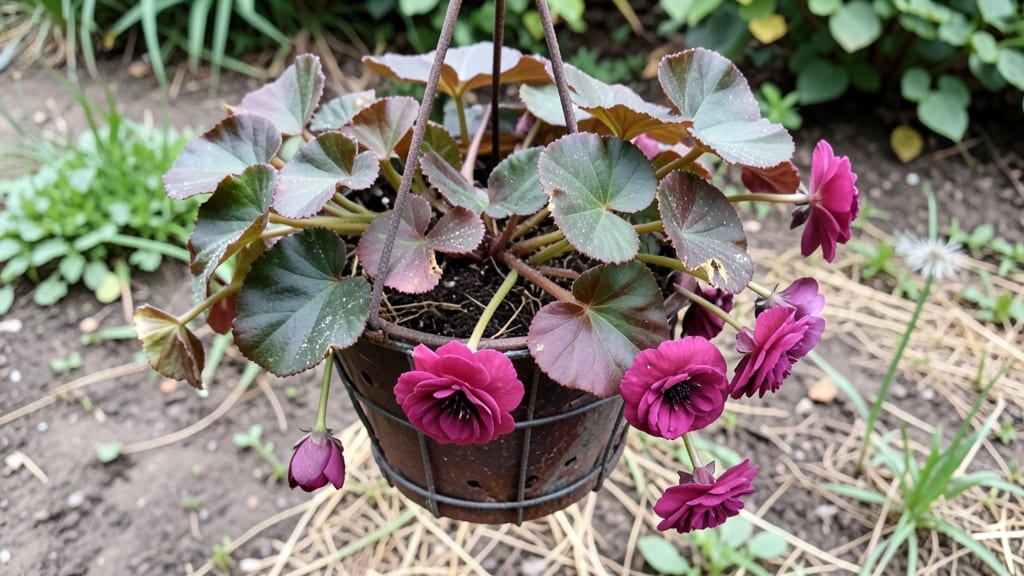
Growing begonia basket plants turns any porch or balcony into a cascading waterfall of color that never stops blooming. 🌸 I’ve filled my own terra-cotta baskets with trailing begonias that spill over edges in pink, red, and white, creating a show that lasts from spring through frost.
The key isn’t just picking the right variety—it’s replicating the cozy, moist environment these tropical plants crave in a way that’s simple enough for beginners.
Start with wax begonias or rex begonias for their lush foliage, or go for angel-wing begonias if you want dramatic blooms. Mix 50% peat moss with 50% perlite to keep roots airy but hydrated, and choose a basket with drainage holes—no soggy roots here.
Place your baskets where they’ll get morning sun and afternoon shade, mimicking their natural dappled-light habitat. Overwatering is the #1 killer, so stick your finger in the soil before watering: if the top inch feels dry, it’s time.
By mid-summer, your baskets will be bursting with blooms and trailing vines, drawing hummingbirds and butterflies like a magnet. Prune leggy stems in early spring to encourage bushier growth, and feed with a balanced liquid fertilizer every 4-6 weeks.
The payoff? A hanging garden that stays vibrant all season, with minimal effort once you’ve got the rhythm down. Here’s how to keep them thriving without the guesswork.
This method works for container gardens, patios, or even indoor hanging spots near bright windows. The same principles apply whether you’re in a hot-summer climate or a cooler zone—just adjust watering frequency.
Once you’ve mastered one basket, you’ll find yourself collecting more varieties, each one a splash of color that brightens even the grayest day. Let’s get those begonias growing!
📚 In This Guide
- What you need
- Instructions
- Tips and common mistakes
- Wrapping up and next steps
What you need
- ● Begonia plants: 3–5 trailing or semi-trailing varieties (e.g., Begonia boliviensis, Begonia rex, or Begonia pendula). Choose healthy, vibrant plants with no signs of pests.
- ● Hanging basket: 10–14 inches in diameter with drainage holes (plastic, ceramic, or coconut fiber are great options).
- ● Potting mix: 1–2 gallons of well-draining, peat-based or coco coir mix (avoid heavy garden soil). Add perlite or orchid bark (10–20% by volume) for extra aeration.
- ○ Moss or liner (optional but recommended): Sphagnum moss: 1–2 cups to retain moisture and prevent roots from poking through gaps.
- ● Coir fiber liner: Pre-cut to fit your basket (eco-friendly alternative to moss).
- ● Slow-release fertilizer: 1–2 tablespoons of organic granular fertilizer (e.g., 10-10-10 or balanced blend) mixed into the soil.
- ● Gloves: A pair to protect your hands from soil and sharp moss edges.
- ● Trowel or small shovel: For planting and adjusting the moss/liner.
- ● Scissors or pruners: To trim moss or adjust plant stems if needed.
- ● Watering can with a rose (fine spray): For gentle hydration without disturbing the soil.
- ○ Support stakes (optional): 2–3 bamboo stakes or small trellises if your begonias need extra support.
- ○ Mulch (optional): A light layer of bark chips or pine needles to conserve moisture.
How to create a thriving begonia basket display
Here's the method I've used to keep these showstopping plants lush and blooming for seasons.
🪴 Step 1: Select the Right Hanging Baskets and Materials
Choose 12-14 inch diameter hanging baskets with sturdy metal or plastic frames—plastic won't rust and lasts longer. Line each basket with 2-3 layers of sphagnum moss, overlapping the edges to create a water-retaining barrier. I find the moss holds moisture better than plastic liners and prevents root rot from overwatering.
Add a 2-inch layer of orchid bark mix over the moss. This ensures excellent drainage while retaining enough moisture for begonia roots. The bark also helps prevent compaction that can suffocate roots over time. Leave about 1 inch of space at the top for plants and watering.
🌱 Step 2: Plant Begonias for Maximum Impact
Remove begonias from their nursery pots and gently tease apart the roots if they're crowded. Place 3-5 plants per basket, arranging them so the largest ones face outward and smaller ones fill gaps. The goal is a full, cascading look—think "spill-over abundance" rather than sparse placement.
Dig holes just deep enough to bury the root balls completely, but don't pack soil tightly around them. I press lightly with my fingers to settle the plants without compressing the bark mix. Space plants 4-6 inches apart to allow air circulation and prevent fungal issues.
💧 Step 3: Water Thoroughly and Establish a Routine
Water immediately after planting until water runs freely from the drainage holes. This ensures the bark mix is fully saturated and roots establish contact with moisture. I use room-temperature water to avoid shocking the plants. After the initial soak, let the basket drain completely before placing it in its final location.
Water every 2-3 days until the top ½ inch of bark feels dry. Begonias hate soggy roots but also despise drying out completely. I check moisture by lifting the basket—if it feels light, it's time to water. During winter months, reduce to once a week unless your home has dry air.
☀️ Step 4: Position for Optimal Light and Airflow
Place baskets in bright, indirect light—think filtered sunlight rather than harsh afternoon rays. A north or east-facing window works best, or use a grow light 12-18 inches away for 12-14 hours daily. Too much direct sun causes leaf scorch, while too little light leads to sparse blooming.
Ensure good airflow by spacing baskets 6-12 inches apart. This prevents humidity buildup that encourages powdery mildew. I rotate baskets quarter-turn weekly so all sides receive even light exposure. You'll notice leaves growing toward the light—this is your cue to reposition.
✂️ Step 5: Maintain Blooms and Health Through the Seasons
Deadhead spent blooms regularly to encourage continuous flowering. Simply pinch off faded flowers at the base with your fingers—no need for pruners. I do this every 3-4 days during peak bloom season. This simple act extends the flowering period by weeks and keeps plants looking fresh.
Fertilize every 4-6 weeks with a balanced liquid fertilizer diluted to half strength. I switch to a low-nitrogen, high-phosphorus formula in spring to promote blooming. Reduce fertilizing in winter when growth naturally slows. Watch for yellowing leaves—they signal it's time to reduce fertilizer strength.
Tips & tricks for perfect begonia basket displays
Here's what I've learned after years of perfecting these cascading beauties—tricks that'll keep your begonias thriving and blooming like a pro.
Layering Matters: When creating that 2-inch layer of orchid bark mix in Step 1, don't just dump it in—fluff it up first. Compacted bark mix suffocates roots and prevents proper drainage. I use my fingers to create small air pockets throughout the layer, almost like aerating soil. This mimics the natural airy environment begonias love in their native habitats. The extra effort prevents that dreaded soggy bottom that leads to root rot.
Root Handling Technique: In Step 2, when teasing apart crowded roots, work gently but deliberately. Begonia roots are delicate—think of it like untangling yarn rather than pulling. I find using a chopstick or clean finger helps separate roots without damage. If you notice any dark, mushy roots during this process, trim them immediately with clean scissors. Healthy roots should be firm and white or pale yellow. This careful handling sets the stage for vigorous growth.
Watering Wisdom: The 2-3 day watering routine in Step 3 requires more finesse than you might think. When checking moisture by lifting the basket, pay attention to the weight distribution. If only the top layer feels dry but the bottom stays damp, you're dealing with poor drainage. This often happens when the orchid bark mix compacts over time. To fix it, gently fluff the bark mix with your fingers once a month—this restores proper airflow and drainage without disturbing the plants.
Light Rotation Strategy: That quarter-turn weekly rotation in Step 4 isn't just about even light exposure—it's also a growth indicator. If you notice leaves growing toward one direction after just a few days, your baskets need repositioning. I've found that placing baskets on a lazy Susan makes this rotation effortless. The key is to rotate them before the plants start leaning noticeably, which typically happens within 5-7 days of one-sided light exposure.
Pro Tips for Begonia Basket Plants
- Here's what I've learned after years of perfecting these cascading beauties—tricks that'll keep your begonias thriving and blooming like a pro.
- Layering Matters: When creating that 2-inch layer of orchid bark mix in Step 1, don't just dump it in—fluff it up first.
- Root Handling Technique: In Step 2, when teasing apart crowded roots, work gently but deliberately.
Frequently asked questions
Got questions about growing begonia basket plants?
You’re not alone! Here are answers to the most common queries—from care tips to troubleshooting—so you can keep your hanging gardens thriving all year.
How often should I water my begonia basket plants?
Water your begonia baskets when the top 1-2 inches of soil feel dry. Since they’re in hanging pots, they dry out faster—especially in heat. Aim for every 2-3 days in summer and reduce to once a week in winter. Always water until it drains from the bottom to avoid root rot.
Can begonia basket plants survive winter outdoors?
Most begonias are tender perennials and won’t survive frost. If you live in a cold climate (below 20°F/-7°C), bring them indoors before the first frost. Choose a bright, cool spot (like a sunroom) and reduce watering. Pro tip: Wrap baskets in bubble wrap for extra protection!
Why are my begonia leaves turning yellow or dropping?
Yellow leaves usually mean overwatering or poor drainage. Check for soggy roots and repot if needed. Dropping leaves can also signal low light or underwatering. Move your plant to bright, indirect light (like a shaded patio) and adjust your watering routine.
How do I encourage more blooms on my begonia basket?
For continuous blooms, deadhead spent flowers regularly and fertilize every 4-6 weeks with a balanced liquid fertilizer (like 10-10-10). Ensure they get morning sun and afternoon shade—too much direct sun can scorch leaves. Bonus: A little stress (like slight root pruning) can trigger more flowers!
What are some great companion plants for begonia baskets?
Pair begonias with trailing plants like fuchsias, ivy, or string of pearls for a lush look. For color contrast, add calibrachoas (million bells) or petunias. Avoid heavy feeders like geraniums, which compete for nutrients. Mix textures!
Wrapping up and next steps
Transforming your space with begonia basket plants is easier than you think—and the rewards are breathtaking! These vibrant, low-maintenance beauties bring year-round color and a touch of whimsy to any corner. Whether you're a seasoned gardener or a beginner, their adaptability makes them the perfect choice for hanging gardens.
Ready to dive in? Start small: Pick a sunny spot, gather your supplies, and let your creativity bloom! 🌸 Next, share your begonia basket masterpiece with fellow plant lovers—your hanging garden will inspire others to grow too!