
Planting
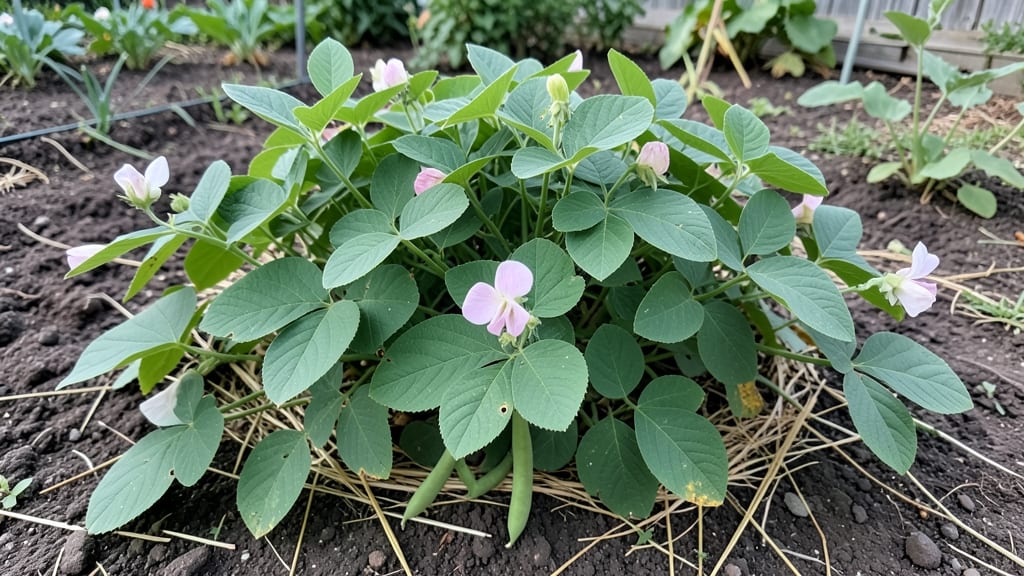
Your bean plant leaves tell a story—one of health, stress, or even silent distress you might be missing. ✨ The right pruning and care can turn those dull, spotted, or yellowing leaves into vibrant green canopies that keep producing all season long.
I’ve spent years watching beans go from struggling to thriving, and the difference always comes down to a few key moves.
Most gardeners focus on water or soil, but the leaves are where the action happens. Yellowing? It’s often a cry for nutrients or water. Tiny holes or chewed edges? Meet your new pest neighbors.
Curling leaves? Heat or drought might be calling the shots. The good news? Each problem has a simple fix—whether it’s snipping back damaged growth, adjusting watering, or introducing natural pest predators.
By the time you’re done, your bean plants will be putting out lush, disease-resistant foliage that supports bigger harvests. The secret isn’t complicated—it’s about reading the leaves and responding fast.
Think of pruning as a conversation, not a chore: trim here, adjust there, and watch your plants reward you with healthier leaves and more beans.
Works for bush beans, pole beans, and even those tricky heirloom varieties. Let’s get those leaves back to their best—before the next harvest rolls around.
📚 In This Guide
- What you need
- Instructions
- Tips and common mistakes
- Wrapping up and next steps
What you need
- ● Bean plant: A healthy, mature bean plant (bush or pole variety) with visible leaves and stems.
- ● Pruning shears: Sharp, clean bypass pruners (avoid anvil pruners—they crush stems). Size: 5-7 inches for precision.
- ● Gloves: Gardening gloves (nitrile or leather) to protect your hands from thorns or rough edges.
- ● Disinfectant: 70% isopropyl alcohol or a 10% bleach solution (1 part bleach to 9 parts water) to sterilize tools before and after pruning.
- ● Compost or mulch: A small bag (5-10 gallons) to collect pruned leaves and stems for composting.
- ● Water spray bottle: For misting cut areas to reduce stress on the plant.
- ● Hand lens or magnifying glass: For inspecting leaves for pests or diseases before pruning.
- ● Plant hormone powder: (e.g., rooting hormone) to encourage faster regrowth if making large cuts.
- ● Pruning saw: For thick, woody stems (rare in bean plants but useful for older plants).
- ● Notebook & pen: To track pruning dates and plant progress.
Step-by-step guide to pruning bean plant leaves for maximum health
Pruning bean leaves isn't just about shaping—it's about keeping your plants thriving and productive.
🌿 Step 1: Identify and Remove Yellow or Damaged Leaves
Start by inspecting your bean plants for any leaves that have turned yellow, brown, or show signs of disease or pest damage. These leaves are no longer contributing to the plant's health—they're actually draining energy. Use your fingers or clean pruning shears to gently pinch off or snip these leaves at their base, being careful not to damage the stem.
I always work from the bottom up. Older leaves at the base often show signs of stress first, and removing them improves airflow to the rest of the plant. If you see any leaves with holes or chew marks, those need to go too—pests will spread if left unchecked.
✂️ Step 2: Prune Overcrowded or Shady Growth
Look for areas where leaves are growing too densely or blocking sunlight from reaching the lower parts of the plant. Beans need plenty of light to produce strong stems and abundant pods. Use clean, sharp pruning shears to trim back any leaves that are shading others, focusing on the interior of the plant where light struggles to penetrate.
Here's the thing—don't go overboard. You want to maintain a balance. Aim to leave about 2-3 inches of space between leaves so air can circulate freely. This prevents fungal diseases and keeps your plants growing strong. If you're unsure, err on the side of leaving more leaves—you can always prune more later if needed.
🌱 Step 3: Encourage Airflow with Strategic Trimming
Now, focus on the overall shape of the plant. Beans naturally grow in a bushy or vine-like form, but you can guide their growth by pruning strategically. For bush beans, trim back any stems that are growing too long or leggy. For pole beans, gently pinch back the tips of the main stems to encourage branching and a fuller plant.
I like to make cuts just above a leaf node—this is where new growth will sprout. If you cut too close to the stem, you risk damaging the plant. For bush beans, you can also prune the lower leaves once the plant starts flowering to redirect energy to pod production. Watch for the first flowers to appear—that's your cue to start focusing on the upper leaves.
💧 Step 4: Monitor and Maintain After Pruning
After pruning, give your bean plants a good drink of water to help them recover. Pruning can be a bit stressful for plants, so they'll appreciate the extra hydration. Keep an eye on them over the next few days for any signs of stress, like wilting or yellowing leaves. If you see any new issues, address them promptly—prevention is key.
Real talk: Don't prune during the hottest part of the day. Early morning or late afternoon is best. This gives the plants time to recover before the sun's peak intensity. Also, avoid pruning when the plants are already stressed from drought or extreme weather. Wait until they're healthy and ready to bounce back.
☀️ Step 5: Adjust Light Exposure for Optimal Growth
Once you've pruned, take a step back and assess the plant's light exposure. Beans need 6-8 hours of sunlight daily for healthy growth. If you've trimmed too aggressively and the plant now looks sparse, you might need to rotate it or move it to a sunnier spot. You'll see a difference within a week—the leaves will perk up, and new growth will appear.
If your beans are growing in containers, this is also a good time to check the soil moisture. Pruned plants often dry out faster, so keep the soil consistently moist but not soggy. Stick your finger about 1 inch into the soil—if it feels dry, it's time to water. Healthy soil means healthy leaves, and that's what you're aiming for.
Tips & tricks for pruning bean plant leaves
Pruning bean leaves might seem intimidating, but these simple tricks will help you maintain healthy plants without stressing them out.
Timing is Everything: I can't emphasize this enough—prune in the morning or late afternoon when temperatures are cooler. This gives your plants time to recover before the sun's peak intensity. I've seen plants wilt dramatically after midday pruning, so trust me on this. Also, avoid pruning during drought or extreme weather—wait until your plants are already healthy and ready to bounce back.
Tool Tip: Always use clean, sharp pruning shears or your fingers for small leaves. Dull tools crush stems and create entry points for disease. I keep a small bottle of rubbing alcohol handy to wipe down my shears between cuts—it prevents spreading any potential pathogens from plant to plant. For large leaves, shears make the job easier, but fingers work perfectly for smaller leaves.
Strategic Pruning for Airflow: When you're working through Step 2, focus on creating that 2-3 inch space between leaves. This might seem like a lot, but it's crucial for airflow. I've seen fungal diseases completely wipe out plants that were too densely packed. If you're unsure about how much to trim, remember: you can always prune more later if needed. It's better to leave a few extra leaves than to over-prune and stress the plant.
Post-Pruning Care: After you've finished pruning, don't forget the recovery step. Give your plants a good drink of water to help them recover from the stress. I like to monitor them for the next few days, keeping an eye out for any signs of stress like wilting or yellowing. This is especially important for container-grown beans—they dry out faster after pruning. Stick your finger about 1 inch into the soil to check moisture levels—if it feels dry, it's time to water.
Pro Tips for Bean Plant Leaves
- Pruning bean leaves might seem intimidating, but these simple tricks will help you maintain healthy plants without stressing them out.
- Timing is Everything: I can't emphasize this enough—prune in the morning or late afternoon when temperatures are cooler.
- Tool Tip: Always use clean, sharp pruning shears or your fingers for small leaves.
Frequently asked questions
Got questions about keeping your bean plant leaves thriving? You’re not alone! Here are answers to the most common queries—so you can prune with confidence and watch your plants flourish.
When is the best time to prune bean plant leaves?
Prune your bean plants early in the morning when humidity is high and temperatures are cooler. This reduces stress on the plant and minimizes disease risk. Avoid pruning during peak heat or after rain—wet leaves can invite fungal issues. Focus on young, healthy growth rather than waiting for leaves to yellow or wilt.
How do I know which leaves to prune from my bean plant?
Remove yellow, brown, or diseased leaves first—they drain energy. Also trim overlapping or crowded foliage to improve airflow. For bush beans, prune back 1/3 of the top growth to encourage bushier plants. For pole beans, focus on removing suckers (side shoots) to direct energy upward. Never prune more than 25% of the plant at once!
What should I do if my bean plant leaves turn yellow after pruning?
Yellowing leaves post-pruning are often a sign of over-pruning or shock. If only a few leaves yellow, it’s usually temporary—keep the plant well-watered and in bright, indirect light. If most leaves yellow, you may have cut too aggressively. Stop pruning and monitor for 1–2 weeks; new growth should return if the roots are healthy.
Can I use bean plant leaves for anything other than pruning?
Young, tender leaves
are edible—harvest them like greens (cook lightly to remove bitterness). Dried leaves make great compost or mulch. Even wilted or diseased leaves can go in the compost bin (if not severely moldy). Just avoid using leaves treated with pesticides—opt for organic care instead!
How often should I prune my bean plants for maximum yield?
For bush beans, a single light pruning at planting (removing lower leaves to raise the plant off the ground) is often enough. Pole beans benefit from weekly light pruning—trim suckers and shape the plant to encourage upward growth. Never prune during flowering or podding; focus on maintenance before harvest season begins.
Still stumped? Drop your specific concerns in the comments—we’re happy to help your bean plants reach their full potential!
Wrapping up and next steps
Caring for your bean plant leaves doesn’t have to be complicated—just a little pruning and attention can transform your garden into a thriving oasis! 🌱 By mastering the art of selective trimming, you’ll encourage stronger stems, better airflow, and a bountiful harvest.
Whether you’re a seasoned gardener or just starting out, these secrets will help you cultivate lush, healthy bean plants with confidence.
Ready to take your green thumb to the next level? Start small: pick one technique from this guide—like pruning yellow leaves or training vines—and observe the difference in just a few weeks. Happy gardening! 🌿