
Companion Plants
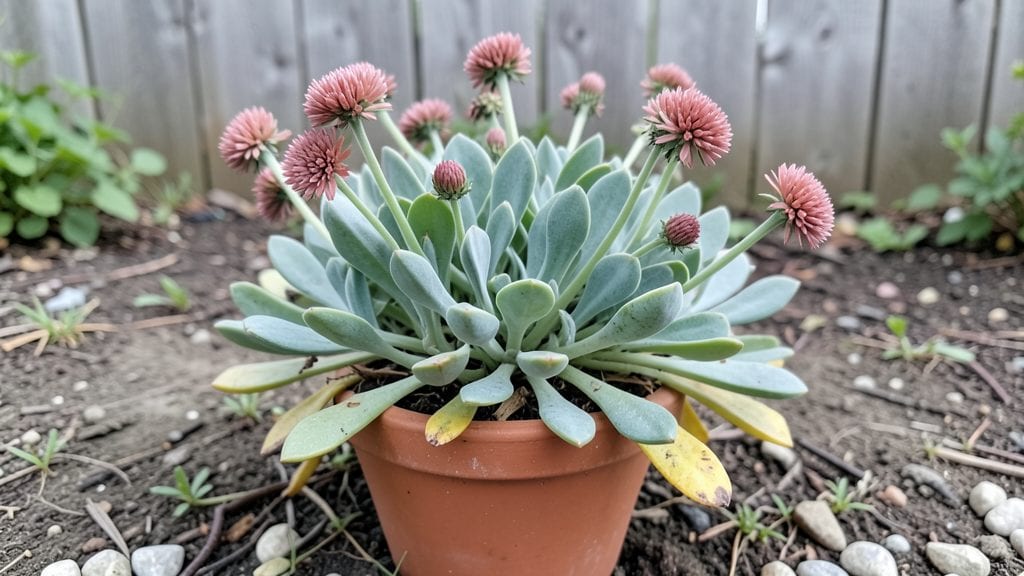
Transforming a tiny balcony into a lush green retreat starts with the right apartment patio plants—ones that thrive in containers and don’t demand acres of space. 🌿 I’ve turned my 6x8-foot concrete slab into a fragrant, colorful oasis using plants that fit in pots, cascade over edges, and even grow vertically, all while requiring less than 10 minutes of care per week.
The key is matching plants to your light: sun-loving succulents like sedum for south-facing spots, shade-tolerant ferns for north balconies, and trailing plants like sweet potato vine that spill over edges without taking up extra room.
Most of these thrive in standard 10-12 inch pots, and their shallow root systems mean you won’t need heavy containers that become a hazard.
By summer’s end, you’ll have a patio that feels like a mini garden sanctuary—think velvety petunias spilling over the railing, the citrusy scent of lemon thyme brushing your arm, and the quiet hum of bees visiting your compact herbs.
The best part? These plants keep blooming all season with just occasional deadheading and watering.
Works for any balcony size, from cramped fire escapes to spacious terraces. Here’s how to pick the perfect mix for your space and light conditions—no green thumb required.
📚 In This Guide
- What you need
- Instructions
- Tips and common mistakes
- Wrapping up and next steps
What you need
- ● Containers: 3–5 space-saving pots (8–12" diameter) with drainage holes. Opt for lightweight, stacked, or wall-mounted options for small patios.
- ● Potting Mix: 1–2 bags of well-draining, organic potting soil (avoid garden soil—it compacts!). Look for blends labeled "for containers" or "balcony gardens."
- ● Drainage: Small pebbles (like gravel or hydroponic stones) or a drainage mat to prevent root rot.
- ● Plants: 3–5 compact, patio-friendly plants (e.g., succulents, herbs like basil/thyme, or trailing petunias). Choose varieties labeled "dwarf" or "bush" for tight spaces.
- ● Watering Can or Hose: A lightweight spray nozzle or a self-watering can for precision.
- ● Fertilizer: A slow-release granular fertilizer (like 10-10-10) or liquid feed for containers (use every 4–6 weeks).
- ● Pruning Shears: Small, sharp bypass pruners for trimming and shaping.
- ● Decorative accents: Miniature garden stakes, fairy lights, or mosaic pots to add charm.
- ● Self-watering system: A wicking bed kit or smart planter for busy schedules.
- ● Mulch: Decorative pebbles or bark to retain moisture and add texture.
- ● Portable trellis: A small metal or bamboo trellis for climbing plants like jasmine or ivy.
- ● Weatherproof storage: A foldable stool or bench with built-in planters.
How to choose and arrange space-saving patio plants for apartments
Here's the foolproof way to transform a tiny balcony into a vibrant oasis—no green thumb required.
🪴 Step 1: Select Compact, High-Impact Varieties
Start with plants bred for small spaces. Look for dwarf varieties like petunia 'Wave' series (spills beautifully over edges), bacopa 'Snowdrift' (trailing white blooms), or calibrachoa 'Superbells' (petunia-like but 50% smaller). These stay under 12 inches tall while packing big color. I always check the tag for "compact" or "trailing"—those words mean balcony-friendly.
Skip anything labeled "bush" or "standard" unless you're prepared for 3-foot monsters that swamp your space. For height, try dwarf fountain grass (just 18 inches) or miniature rosemary in a 6-inch pot. These create layers without crowding. Remember: trailing plants go on edges, bushy plants fill centers, and vertical plants climb railings.
🌱 Step 2: Arrange by Plant Type and Sunlight Zones
Group plants by their sunlight needs first. Place sun-lovers like succulents and geraniums where they get 6+ hours of direct sun (usually south-facing). I like to put the tallest plants in the back of the arrangement—this prevents them from shading smaller plants. For 4-inch pots, use 1 plant per pot; for 6-inch pots, you can fit 2-3 small plants together.
Create visual interest by alternating textures: smooth-leaved helichrysum next to fuzzy lamium, or glossy coleus beside feathery fountain grass. Place trailing plants in hanging baskets or edge pots to soften the space. I always leave 2-3 inches between pots—this makes watering easier and prevents root competition.
☀️ Step 3: Optimize Light with Mirrors and Reflective Surfaces
Even small balconies can trick light into reaching more plants. Place a small mirror (12x12 inches) at a 45-degree angle behind sun-loving plants to bounce extra light onto them. I position mine near the railing where it catches morning sun and reflects it toward shadier corners. For north-facing balconies, use white or light-colored pots—they reflect ambient light better than dark containers.
Rotate pots quarter-turn weekly so all sides get even light exposure. You'll notice plants growing straighter and leaves staying greener instead of stretching toward one direction. If a plant starts looking leggy (long stems with sparse leaves), it needs more light—move it closer to the mirror or to a sunnier spot for 2-3 days to adjust.
💧 Step 4: Water and Feed with Precision
Check soil moisture by sticking your finger 1 inch deep—if it feels dry, water thoroughly until it runs out the drainage holes. I water in the morning so plants have all day to absorb moisture before evening. For 4-inch pots, use ½ cup of water; for 6-inch pots, use ¾ cup. Avoid getting leaves wet to prevent fungal diseases like powdery mildew.
Feed plants every 4-6 weeks with a balanced liquid fertilizer (10-10-10). I mix it at half-strength to avoid burning tender roots. Overwatering is the #1 killer of patio plants—if you're unsure, underwater slightly. Yellowing leaves usually mean too much water, while crispy edges signal thirst. Both are fixable if caught early!
✂️ Step 5: Prune and Refresh for Continuous Blooms
Deadhead spent blooms by pinching off flowers just above a set of leaves. This encourages more flowers and keeps plants looking neat. For trailing plants, trim back any leggy stems to 6 inches long—this forces bushier growth. I prune in the morning when plants are hydrated and can recover quickly.
Every 3-4 weeks, give your arrangement a refresh: rotate pots, check for pests (like aphids on undersides of leaves), and replace any tired-looking plants. Swap out a few pots with seasonal varieties—like pansies in spring or chrysanthemums in fall—to keep things exciting without overcrowding. Your balcony will stay lush and inviting all season long!
Tips & tricks for perfect apartment patio plant arrangements
Balcony gardening is all about working with what you've got—and these tricks will help you maximize every square inch without sacrificing beauty.
The Plant Tag Decoder: Always check the plant tag for two key words: "compact" and "trailing." These tell you exactly where to place each plant. Compact varieties like petunia 'Wave' belong in the center of your arrangement, while trailing types like bacopa 'Snowdrift' should spill over edges. I've learned this the hard way—putting a trailing plant in the middle creates a messy, unbalanced look that's impossible to fix later.
Layer Like a Pro: Think of your balcony arrangement like a cake—start with the tallest plants in the back (like your 18-inch dwarf fountain grass), then add medium-height plants (such as helichrysum), and finish with trailing plants cascading over the edges. This creates depth and prevents any single plant from overwhelming the space. Remember the 2-3 inch spacing between pots—it's not just for looks, it's for airflow that keeps plants healthy.
Mirror Magic for Shady Spaces: That 12x12 inch mirror isn't just decoration—it's your secret weapon for north-facing balconies. Place it at a 45-degree angle behind your sun-loving plants to bounce light onto them. I position mine near the railing where morning sun hits it first. For extra brightness, swap dark pots for white or light-colored ones—they reflect up to 30% more light than dark containers, which makes a huge difference in low-light areas.
Watering Wisdom: The 1-inch deep finger test is your best friend. Stick your finger in the soil—if it feels dry at that depth, it's time to water. For 4-inch pots, use exactly ½ cup of water (not a splash!) and ¾ cup for 6-inch pots. Watering in the morning gives plants all day to absorb moisture before evening, and it prevents fungal diseases that love damp leaves. I've seen too many beautiful arrangements ruined by overwatering—when in doubt, give less water!
Pro Tips for Apartment Patio Plants
- Balcony gardening is all about working with what you've got—and these tricks will help you maximize every square inch without sacrificing beauty.
- The Plant Tag Decoder: Always check the plant tag for two key words: "compact" and "trailing."
- This creates depth and prevents any single plant from overwhelming the space.
Frequently asked questions
Got questions about transforming your apartment patio into a lush green space?
Here are answers to the most common queries—so you can garden with confidence, even in tight quarters!
What are the best low-maintenance plants for small apartment patios?
Opt for hardy, compact varieties like succulents (e.g., sedum or echeveria), herbs (basil, thyme, or mint), or dwarf shrubs (e.g., creeping thyme or ornamental grasses). These thrive in containers, need minimal water, and tolerate partial shade—perfect for beginners or busy renters!
How often should I water patio plants in an apartment?
Watering depends on your plants and climate, but a general rule is every 2–3 days in summer and once a week in cooler months. Check soil moisture by sticking your finger 1 inch deep—if it’s dry, it’s time to hydrate! Use self-watering pots or drip irrigation for consistency. Pro tip: Morning watering reduces evaporation and fungal risks.
Can I grow vegetables or herbs in an apartment patio?
Herbs like parsley, cilantro, and chives and veggies like cherry tomatoes, peppers, and lettuce thrive in containers. Choose dwarf or bush varieties, and ensure pots have drainage. Just provide 6+ hours of sunlight daily (south-facing balconies are ideal) and fertile potting mix. Start small—even a single tomato plant can yield a harvest!
What if my patio plants get too big for the space?
Prune regularly to maintain shape and size—pinch back leggy stems or trim overgrowth to encourage bushier growth. For fast growers, rotate containers to expose all sides to light evenly. If a plant outgrows its pot, repot into a larger container or divide root-bound plants (like herbs) into smaller pots. Pro tip: Succulents and herbs are naturally compact but benefit from occasional pruning!
How do I keep pests away from my patio plants?
Prevent pests with neem oil spray (natural and effective) or companion planting (e.g., marigolds repel aphids). Check leaves regularly for aphids, spider mites, or whiteflies—wipe them off with soapy water if spotted. Ensure good airflow by spacing plants properly, and avoid overwatering (pests love damp soil!).
Wrapping up and next steps
Transforming your small apartment patio into a lush oasis is easier—and more rewarding—than you think! 🌿 With the right space-saving plants, you can enjoy vibrant blooms, fresh air, and a serene retreat without sacrificing square footage.
Whether you opt for cascading ferns, fragrant herbs, or compact succulents, every green choice brings life and joy to your urban escape.
Ready to get started? Pick one or two plants from our list, grab your supplies, and let your balcony bloom! 🌸 Which plant will you bring home first?