
Planting
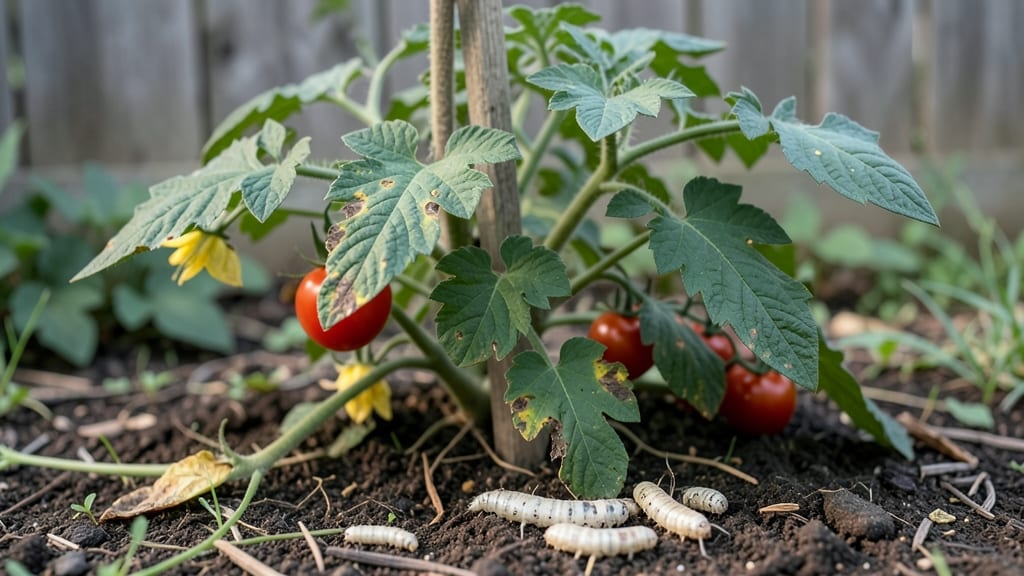
Anthracnose on tomato plants turns leaves into blackened lacework overnight—something I learned the hard way when my prized heirlooms went from lush to lifeless in a week. The dark, sunken spots aren’t just ugly; they’re contagious, spreading through water droplets like a fungal chain reaction.
But here’s the good news: three strategic pruning cuts can break the cycle before it ruins your harvest.
Most gardeners panic and chop everything at once, but that’s counterproductive. Instead, focus on removing only the most infected branches—those with more than 50% leaf damage—and sterilize your pruners between cuts with rubbing alcohol.
The goal isn’t to save the plant (sometimes it’s too late), but to stop the spores from hitching rides to your next tomato or pepper. Think of it like quarantine for your garden.
By the time you’re done, your plant will look sparser, but the remaining growth stays clean and vigorous. The key is speed: act within 48 hours of spotting symptoms, and you’ll buy time for new leaves to emerge free of infection.
This isn’t about saving every leaf—it’s about saving your entire season.
Now, don’t skip the follow-up steps—proper spacing, fungicide sprays, and avoiding overhead watering make all the difference. But start with those three cuts, and you’ll be ahead of 90% of gardeners already losing plants to this sneaky fungus.
Root Causes Of Tomato Fungus
Anthracnose isn’t just a random tomato plant nuisance—it’s a highly opportunistic fungal infection that thrives under specific conditions. Understanding why it strikes helps you stop it before it starts. Below, we break down the key triggers that turn your lush tomato plants into fungal buffets.
The fungus Colletotrichum (the anthracnose culprit) lives in water. When leaves stay damp for prolonged periods—whether from rain, overhead watering, or poor airflow—the spores germinate and infect through natural openings like stomata (tiny leaf pores) or wounds.
- Why it happens:
- Humidity above 75% for 48+ hours creates the perfect breeding ground.
- Stagnant water in leaf axils (where leaves meet stems) traps spores against plant tissue.
- Clay or compacted soil slows drainage, keeping roots waterlogged and stressing plants—weak plants are easier targets.
- Actionable fix: Water at the base (not overhead), use drip irrigation, and prune for airflow. 💡 See our pruning guide to reduce humidity hotspots.
Tomatoes under stress—whether from heat waves, nutrient deficiencies, or root-bound pots—produce thinner cell walls, making them 3x more susceptible to fungal invasion.
- Why it happens:
- Heat stress: Temperatures above 85°F (29°C) slow photosynthesis, weakening leaves. The fungus exploits this by penetrating weakened cells.
- Overcrowding: Plants competing for light and nutrients develop smaller, thinner leaves—ideal entry points for spores.
- Nutrient imbalance: Low potassium or calcium reduces cell toughness, while excess nitrogen promotes soft, succulent growth that fungi love.
- Actionable fix:
- Space plants 18–24 inches apart for airflow.
- Use mulch (straw or wood chips) to cool roots and retain moisture without wetting leaves.
- Fertilize with low-nitrogen, high-potassium blends (e.g., 5-10-10) during fruiting stages.
Anthracnose spores can survive in soil for years and hitchhike on pruners, gloves, or even your shoes. If your garden had infected tomatoes last season, the fungus is likely still lurking.
- Why it happens:
- Old infections: Spores overwinter in decomposing plant debris or soil.
- Tool cross-contamination: Pruning infected plants without sterilizing tools spreads spores to healthy ones.
- Compost from infected plants: Even "finished" compost can harbor viable spores if not heated to 140°F (60°C).
- Actionable fix:
- Sterilize tools with 70% isopropyl alcohol or a 10-minute bleach soak (1 part bleach to 9 parts water).
- Remove all plant debris after harvest and solarize soil in summer (cover with clear plastic for 4–6 weeks to kill spores).
- Avoid planting tomatoes in the same spot yearly—rotate crops with non-solanaceous plants (e.g., beans, lettuce).
Anthracnose often starts on ripe or damaged tomatoes. Bruises from birds, hail, or rough harvesting create open doors for spores to invade.
- Why it happens:
- Physical damage: Cracks or punctures let spores colonize flesh within 24–48 hours.
- Pest activity: Slugs, aphids, or fruitworms create wounds that double infection risk.
- Overripe fruit: Soft, rotting tomatoes release sugars and acids that accelerate fungal growth.
- Actionable fix:
- Harvest tomatoes when fully ripe but firm—avoid letting them overripen on the vine.
- Use row covers to protect from hail/birds and neem oil to deter pests.
- Remove all damaged fruit immediately—don’t compost it; bag and trash to prevent spore spread.
Key takeaway: Anthracnose doesn’t just happen—it’s the result of water + stress + opportunity. By addressing these root causes, you starve the fungus of its favorite conditions and protect your harvest. Next, learn 3 pruning hacks to physically block its spread.
Fixing Fungal Issues Fast
Anthracnose in tomato plants is a stubborn foe, but with the right moves, you can turn the tide and save your harvest. The key? Acting fast and targeting the root causes—whether it’s wet leaves, poor airflow, or weak plant health.
Below, we break down the cause-and-fix playbook, plus pro tips to keep your tomatoes thriving. Let’s get your plants back in fighting shape!
Anthracnose thrives in moisture, and splashing water onto leaves creates the perfect breeding ground. If your plants are dripping wet for hours after watering, it’s time to change tactics.
🔥 Fix It: Ditch the Sprinklers
- Switch to drip irrigation or soaker hoses to deliver water directly to the soil. This keeps foliage dry and reduces fungal spores from splashing.
- Water in the morning (before 10 AM) so leaves have 4+ hours of sunlight to dry. Evening watering = fungal party time.
- Avoid overhead sprinklers entirely, especially during humid weather. If you must use them, aim for early morning and ensure leaves dry by noon.
💡 Prevention Pro Tips
- Prune lower leaves (especially those touching the soil) to improve airflow and reduce moisture buildup.
- Space plants 18–24 inches apart for better circulation—crowded tomatoes = fungal hotspots.
- Use a fan (yes, really!) on a low setting near plants to speed up drying after watering.
Stagnant air traps humidity, giving anthracnose the upper hand. If your tomato plants are bunched too close or shaded by dense foliage, spores spread like wildfire.
🍳 Fix It: Open Up the Garden
- Prune aggressively—remove suckers and inner leaves to let air flow freely. Aim for a V-shaped structure to encourage upward growth.
- Stake or cage plants to keep them upright and 3–4 inches away from neighboring plants.
- Thin out overgrowth regularly. A good rule: If you can’t see sunlight between plants, it’s time to trim.
🔥 Prevention Pro Tips
- Train vines upward with trellises or stakes to elevate foliage away from damp soil.
- Rotate crops next season—don’t plant tomatoes (or nightshades) in the same spot for 2–3 years to break the fungal cycle.
- Mulch with straw or grass clippings (not wood chips) to reduce soil splatter onto leaves.
Anthracnose loves hot, humid conditions—think greenhouses, shaded areas, or soil that stays soggy. If your plants are in a steamy sauna, the fungus will feast.
⏰ Fix It: Adjust the Environment
- Improve drainage—amend heavy clay soil with compost or sand to prevent waterlogging. Raised beds are a game-changer!
- Ventilate greenhouses or polytunnels daily, even if it’s just cracking a window. Humidity below 70% = fungal enemy #1 defeated.
- Avoid planting in low-lying areas where water pools. If you must, use elevated beds or containers.
🎯 Prevention Pro Tips
- Use fungicidal sprays (like copper or neem oil) as a preventative shield during high-humidity months.
- Harvest ripe tomatoes promptly—overripe fruit on the vine accelerates spore spread.
- Disinfect pruners with rubbing alcohol between cuts to avoid cross-contamination.
Tomatoes under stress (from nutrient deficiencies, pests, or extreme heat) are easy targets for anthracnose. A healthy plant fights back!
👨🍳 Fix It: Boost Plant Vitality
- Fertilize with balanced feed (10-10-10 or compost tea) to strengthen roots and foliage.
- Test soil pH—tomatoes prefer 6.0–6.8. Adjust with lime (to raise) or sulfur (to lower).
- Watch for pests (like aphids or whiteflies) that weaken plants. Treat early with insecticidal soap.
✨ Prevention Pro Tips
- Mulch with straw to regulate soil temperature and retain moisture without suffocating roots.
- Avoid over-fertilizing with nitrogen—it promotes leafy growth over fruit, making plants more susceptible.
- Rotate varieties—some tomatoes (like cherry or heirlooms) are more resistant than others. Try ‘Mountain Merit’ or ‘Defiant PhR’ for tougher options.
With these targeted fixes, you’ll not only stop anthracnose in its tracks but also build a fortress against future outbreaks. The sooner you act, the healthier your tomatoes—and your harvest—will be. Now grab those shears and get trimming!
Frequently asked questions
What do anthracnose spots on tomato leaves look like?
Anthracnose starts as small, dark brown or black sunken spots with yellow halos on leaves and stems. As it spreads, these spots grow larger, develop concentric rings, and may ooze a pinkish spore mass when wet. On fruit, you’ll see raised, circular lesions that turn black and leathery.
Can I still harvest tomatoes if anthracnose appears?
Yes, but only if the fruit is fully ripe and undamaged. Remove any tomatoes with lesions immediately—they’re highly contagious. For unripe fruit, harvest it early (even if green) to prevent further spread. Always wash harvested tomatoes thoroughly before eating or storing.
Will copper spray stop anthracnose from spreading?
Copper fungicides like Bordeaux mixture can slow anthracnose but won’t cure an active infection. For best results, apply as a preventative every 7–10 days during humid weather. Combine with pruning and airflow improvements for maximum protection.
How long does it take for anthracnose to kill a tomato plant?
If untreated, anthracnose can kill a plant in 2–4 weeks, especially in hot, humid conditions. The fungus spreads rapidly through water droplets, so early intervention is critical. With aggressive pruning, fungicide use, and environmental fixes, you can save the plant and future harvests.
Can I save seeds from anthracnose-infected tomatoes?
No—never save seeds from infected fruit. The fungus can survive on seeds and reinfect next year’s plants. Always remove all infected plant material (including seeds) and sterilize containers with bleach before reuse.