
Pruning
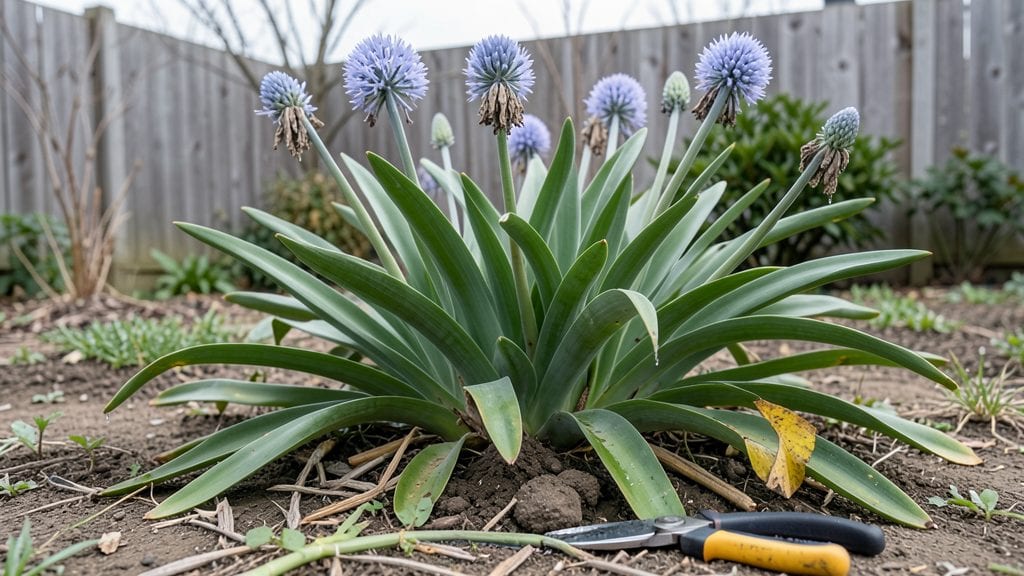
Pruning agapanthus plants transforms those skinny, floppy spikes into bold, dramatic displays that last all summer. 🌿 I’ve watched my own agapanthus go from a sad, overgrown mess to the showstopper of my garden—just by deadheading the right way.
The secret isn’t complicated, but timing and technique make all the difference.
You’ll need sharp pruners, gloves (those leaves are tough!), and a clear morning when the plants are dry. The best time is right after the blooms fade but before the seed pods form—usually late summer.
Cut back the flower spikes to the base of the plant, and don’t worry about trimming the foliage unless it’s yellow or damaged. This encourages fresh growth and bigger blooms next season.
After pruning, your agapanthus will reward you with thicker stems and more vibrant flowers the following year. The plants stay healthier, too, with fewer pests and diseases clinging to dead flower heads. Plus, you’ll avoid that “wild” look that happens when you skip deadheading—those spikes can get leggy fast.
Works for both in-ground and container-grown agapanthus, and the same rules apply whether you have one plant or a whole border. Here’s how to do it without a single snag—promise.
📚 In This Guide
- What you need
- Instructions
- Tips and common mistakes
- Wrapping up and next steps
What you need
- ● Pruning shears – Sharp, bypass-style shears (4-6" blade) for clean cuts. (1 pair)
- ● Garden gloves – Heavy-duty, cut-resistant (e.g., leather or synthetic mesh). (1 pair)
- ● Disinfectant (70% isopropyl alcohol or bleach solution) – To sterilize tools between cuts. (Small bottle or spray)
- ○ Garden twine or rubber bands – For tying up large, floppy stems if needed. (Optional, small roll)
- ○ Pruning saw (optional) – For thick, woody stems >½ inch in diameter. (1, if needed)
- ● Garden waste bag or bucket – For collecting spent blooms and debris. (1-2)
- ○ Water spray bottle (optional) – To mist tools and prevent dust buildup. (Small, 8-16 oz)
- ● ✅ Timing: Prune after flowering (late summer/early fall) or in early spring before new growth. Avoid pruning in winter.
- ● ✅ Weather: Choose a dry, overcast day to prevent stress on the plant.
- ● ✅ Plant health: Ensure your agapanthus is free of pests/diseases before pruning.
- ● ✅ Safety first!: Wear gloves to protect against sap irritation or thorns (if variegated varieties).
How to prune agapanthus for longer, healthier blooms
This is the simple routine I use to keep my agapanthus flowering boldly for months—not just weeks.
✂️ Step 1: Wait for Flowers to Fade Naturally
Don't cut anything until the flower spikes have completely finished blooming and turned brown. I wait until the seed pods form and dry out—this ensures the plant has stored energy for next year's growth. If you cut too early, you'll remove potential seed heads that could feed future blooms.
Look for spikes that have lost all their color and feel crispy to the touch. This usually happens in late summer or early fall, depending on your climate. Agapanthus flowers fade from top to bottom, so you'll see the lower blooms brown first.
✂️ Step 2: Cut Spent Spikes at the Base
Use clean, sharp pruners to snip each spent flower spike at the very base where it meets the foliage. I make the cut at a slight angle to prevent water from pooling on the stub. This clean removal reduces disease risk and keeps the plant looking tidy.
Don't leave any stubs taller than ½ inch—this prevents unsightly regrowth and helps redirect the plant's energy into next year's flower buds. If you're unsure which stems to cut, remember: only remove what's completely brown and dead.
🌱 Step 3: Trim Damaged or Yellow Foliage
After removing the spent spikes, inspect the foliage for any leaves that have turned yellow or brown. These indicate stress or disease and should be pruned back to healthy green tissue. Use your pruners to make clean cuts just above a leaf node or healthy growth point.
I never remove more than 20% of the foliage in one pruning session—this keeps the plant strong enough to recover. If you see blackened or mushy leaves, these are signs of rot and should be cut away immediately to prevent spreading.
⏰ Step 4: Lightly Prune Foliage in Early Spring
In early spring, before new growth appears, I give my agapanthus a light haircut. Using sharp pruners, I trim any remaining dead leaves or stems down to about 2 inches above the ground. This makes room for fresh growth and improves air circulation around the plant.
Watch for new shoots emerging from the center—these are your signal that the plant is waking up. Never prune when you see fresh green growth, as this could harm the plant's ability to photosynthesize and store energy for blooming.
☀️ Step 5: Feed and Water After Pruning
After your pruning is complete, give your agapanthus a boost with a balanced, slow-release fertilizer. I apply mine in early spring and again after summer blooming. Water deeply to help the plant recover from any stress and encourage new growth.
Keep the soil consistently moist but never soggy—agapanthus roots need good drainage to prevent rot. If you notice new growth within 2-3 weeks, your pruning was successful and the plant is ready for another season of dramatic blooms.
Tips & tricks for pruning agapanthus like a pro
Here's what I've learned after years of keeping my agapanthus blooming beautifully—simple tricks that make all the difference.
The Timing Secret: Don't rush! The key to dramatic season-long spikes is patience. In Step 1, when you're waiting for flowers to fade completely, look for the seed pods to form and dry out—this usually takes about 2-3 weeks after the last bloom opens. I've seen gardeners cut too early and end up with stunted growth the next year. The plant needs that energy stored in those seed heads for future blooms.
Cutting Technique That Changed Everything: When you're at Step 2 cutting those spent spikes, I've found that using a slight downward angle on your cut prevents water from pooling on the stub. This little detail has kept my plants healthier for years. Also, remember that ½ inch stub limit—anything taller can lead to unsightly regrowth that steals energy from next year's flowers. I keep a small ruler handy to check my cuts!
Foliage Inspection Strategy: In Step 3, when you're trimming damaged foliage, I recommend doing a quick "squeeze test" on suspicious leaves. Healthy leaves should feel firm and spring back when gently squeezed. Soft or mushy leaves need to come off immediately to prevent rot from spreading. And that 20% foliage limit is crucial—think of it as keeping your plant's "green team" strong enough to support new growth.
Spring Pruning Hack: For Step 4's early spring pruning, I've started marking the 2-inch height with a piece of colored twine tied to the plant's stem before winter. This visual cue makes it much easier to see exactly where to cut in the spring. Plus, it helps me avoid accidentally cutting into fresh growth that's just starting to emerge.
Pro Tips for Agapanthus Plants Pruning
- Here's what I've learned after years of keeping my agapanthus blooming beautifully—simple tricks that make all the difference.
- The Timing Secret: Don't rush!
- Cutting Technique That Changed Everything: When you're at Step 2 cutting those spent spikes, I've found that using a slight downward angle on your cut prevents water from pooling on the stub.
Frequently asked questions
Got questions about pruning your agapanthus?
Here are answers to the most common ones—so you can keep those stunning spikes thriving all season!
When is the best time to prune agapanthus?
The ideal time is late winter or early spring (just before new growth starts) or after flowering in fall. Avoid pruning in summer—it can stress the plant and reduce next year’s blooms. For deadheading, snip spent spikes as soon as they fade to encourage more flowers!
Do I need to cut agapanthus all the way to the ground?
No! Only remove dead or damaged foliage and cut back last year’s flower spikes to the base. Over-pruning can harm the plant—leave at least half the leaves to photosynthesize. Think of it like a haircut: trim what’s needed, but don’t shave it all off!
What if my agapanthus isn’t flowering? Could pruning be the issue?
Pruning too aggressively (like cutting back healthy leaves) can reduce blooms, but poor flowering often stems from overcrowding, lack of sunlight, or old age. Try dividing mature clumps every 3–4 years or fertilizing in spring. If it’s still sluggish, check for pests or root-bound issues!
Can I prune agapanthus in cold climates?
Yes, but wait until spring after the last frost. In harsh winters, cut back dead foliage in late winter to prevent rot, but avoid heavy pruning—agapanthus stores energy in its roots. Mulch around the base for extra protection if your zone drops below 20°F (-7°C).
What’s the difference between deadheading and pruning agapanthus?
Deadheading
= Removing spent flower spikes (do this year-round as blooms fade). Pruning = Cutting back old foliage or stems (best in late winter/early spring). Deadheading keeps the plant tidy and encourages more blooms, while pruning refreshes growth for the next season!
Wrapping up and next steps
Pruning your agapanthus is simpler than you think—and the results are stunning! By deadheading spent blooms and trimming back old foliage, you’ll encourage lush, dramatic spikes for seasons to come. 🌸 With the right tools and timing, you’re well on your way to a thriving garden centerpiece.
Ready to take the next step? Grab your pruners and give your agapanthus a little TLC—your garden (and future blooms!) will thank you. Need a refresher? Revisit our FAQs or dive into seasonal care tips for year-round success!